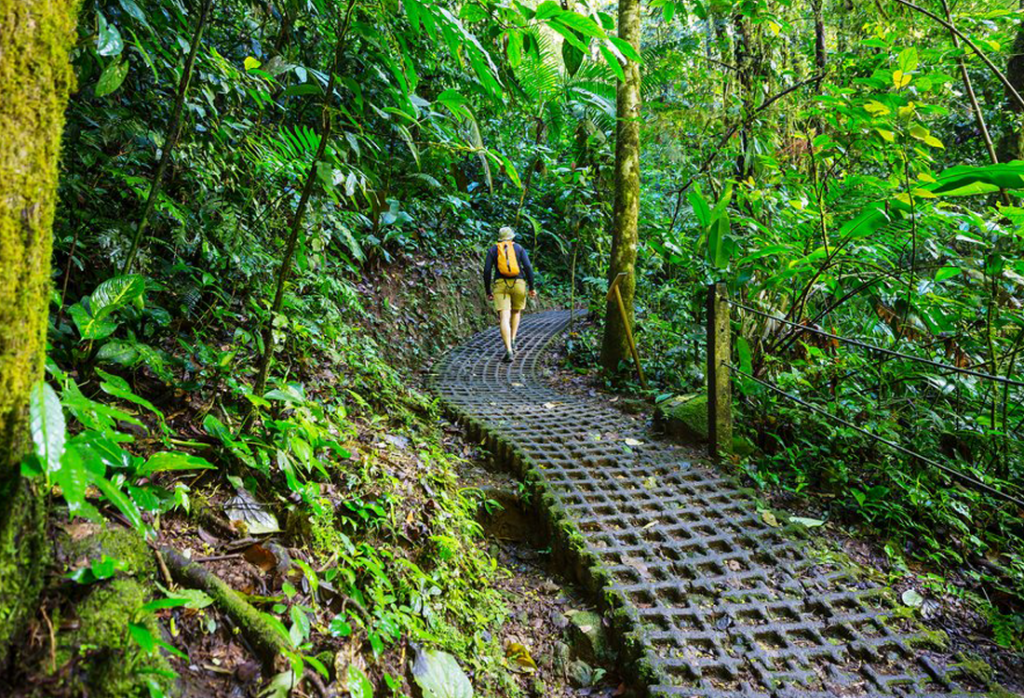
July sits at the heart of Costa Rica’s green season, and it is far from a washout.
The daily rhythm is easy to plan around. Sunny mornings, a short afternoon shower, clear evenings.
The veranillo, or “Little Summer,” tucks a week or two of dry skies inside green season.
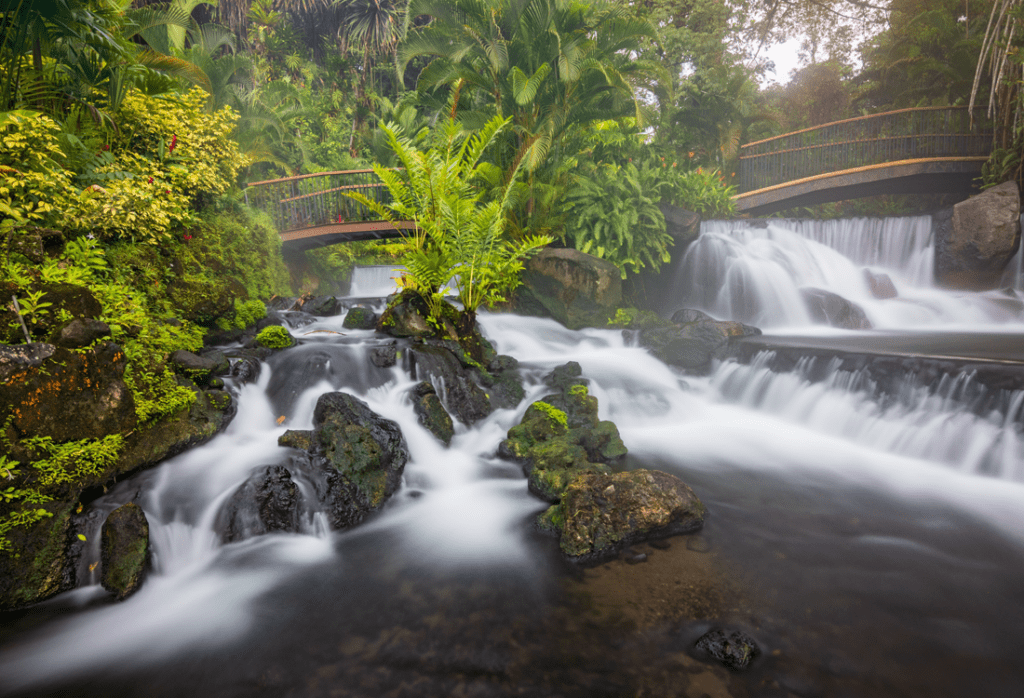
Waterfalls run at full volume, wildlife activity rises, and humpback whale season quietly begins.
A fully private villa keeps the forecast from ever running the itinerary.
Most guidebooks steer travelers away from July. “Rainy season” gets stamped across the whole stretch from May to November, and the December through April crowd rush becomes the default plan by process of elimination.
On the ground, July looks different. The rainforest is at its fullest and greenest. Waterfalls run high. The coast quietly thins out, and the days follow a rhythm that’s easy to plan a stay around.
This is a grounded look at what green season really looks like near Los Sueños, what the veranillo is, and why staying in a private villa removes the one real variable this time of year introduces, the weather itself.
Owning the coast on your own terms includes owning it through the rain.
Green Season Isn’t What Most Travelers Expect
Costa Rica’s green season runs roughly May through November. Ticos have their own name for this stretch, temporada verde, and they tend to talk about it less like a warning and more like a favorite month.
It follows a consistent daily pattern rather than nonstop rain. Mornings are sunny, clouds build early afternoon, a shower passes through, and the evening clears.
Somewhere along the way, the green season picked up a reputation it hasn’t earned. These months bring the best light, the thinnest crowds, and the richest landscape of the year. For a full seasonal comparison, our guide on the best time to visit Costa Rica breaks down how each season stacks up.
The Veranillo, July’s Hidden Dry Window
Few travelers have heard of the veranillo de San Juan, or “Little Summer.” It’s a semi-predictable dry stretch, usually one to two weeks long, that tends to land sometime in July, right in the middle of green season.
It shows up most clearly in Guanacaste, but the Los Sueños and Herradura Bay stretch of the Central Pacific feels it too. Locals plan around it well before any forecast mentions it.
Here’s how a typical day breaks down across the two seasons.
Time of Day
Green Season (May–Nov)
Dry Season (Dec–Apr)
Morning
Sunny, ideal for outdoor plans
Sunny, consistent
Midday
Clouds begin building
Mostly clear
Afternoon (2–4pm)
Showers or thunderstorms, lasting 1–3 hours
Rare, brief showers only late April
Evening
Clears by 6–8pm, good for outdoor dinners
Sunny through the evening
The Rainforest and Coastline at Their Fullest
This is the part most brochures underplay. Green season is when the landscape looks the way it does in the photos.
Waterfalls swell, rivers refill, and the canopy deepens into a shade of green that the dry months simply can’t produce. Wildlife responds to the same shift.
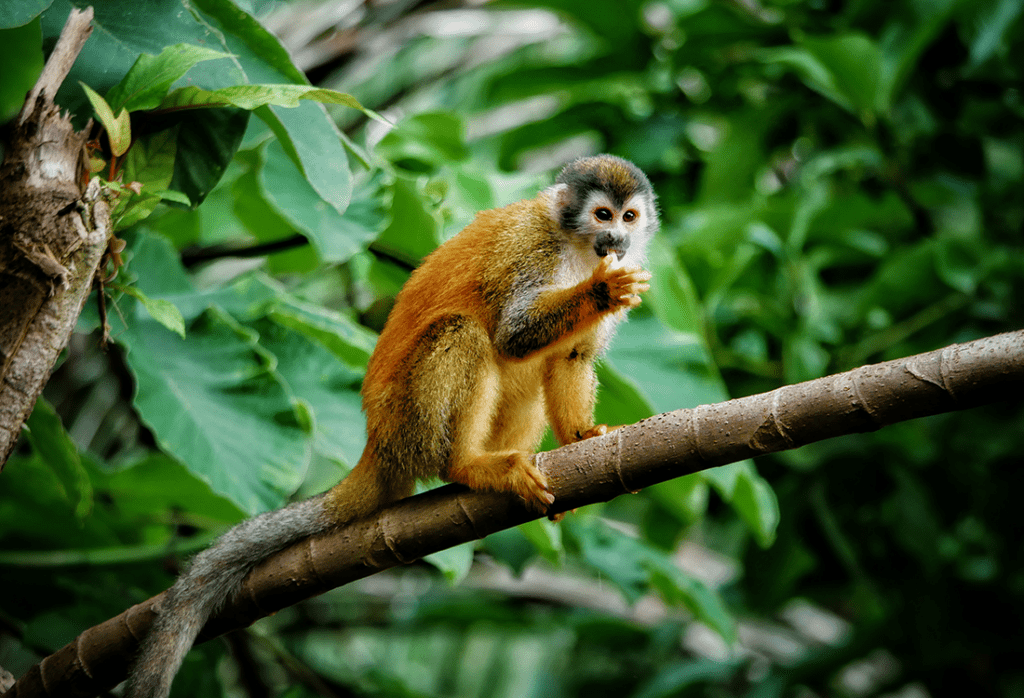
More food and water near the trails and riverbanks mean more animals crossing paths with anyone out walking them.
Bijagual Waterfall
About 20 to 30 minutes from Los Sueños, Bijagual Waterfall rises approximately 328 meters (1,076 feet), making it the second-highest waterfall in Costa Rica according to the property’s own listing (estimates elsewhere online vary widely, so treat any figure you see as approximate).
By July, after two months of steady rain, it carries far more water than it does during the dry months. The hike in runs through a biodiverse rainforest corridor, and it’s a strong bet for spotting scarlet macaws along the way.
Carara National Park
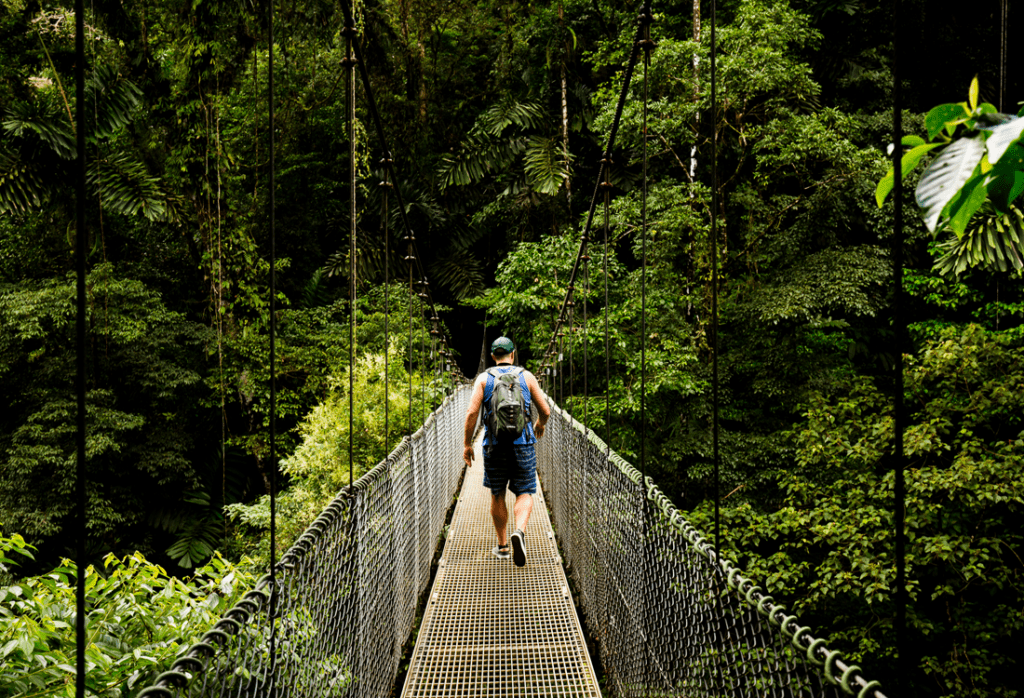
Carara National Park holds the Universal Trail, an accessible boardwalk through the primary rainforest.
The park is home to monkeys, sloths, and more than 400 recorded bird species. Around Carara and the Tárcoles River, macaw sightings tend to pick up through July, part of a seasonal build that peaks around August, per local guide operators who track sightings through the dry-to-green transition.
And it’s only 10 minutes away from Villa Firenze, a luxury private estate in Los Sueños. Read more in guide to national parks in Costa Rica.
Humpback Whales, Arriving Early
July marks the quiet start of humpback whale migration, as whales travel from Antarctica to Costa Rica’s Pacific waters to breed and give birth.
The season peaks later, from August through October, according to whale-watching operators working the Central Pacific coast, but early sightings begin this month along the coast, with tours running out of nearby Herradura and Jacó.
Costa Rica is one of the few places on earth that sees humpback migrations from both hemispheres, which stretches the season longer than almost anywhere else.
Ticos build the day around the pattern instead of fighting it. Outdoor plans happen before early afternoon. The shower becomes built-in downtime. Evenings move back outside once the sky clears.
A few things stand out about July specifically:
Puntarenas hosts the Fiesta de la Virgen del Mar, a coastal celebration with a flotilla of decorated boats, live music, and local food.
Farmers’ markets fill with the month’s best produce, sweet mangoes, pitahaya, heart of palm, and fresh avocados.
Many of these ingredients make their way onto menus across the coast during this stretch.
Why Villa Firenze Fits This Season
A fully private, premium villa suits a month where the weather has its own plans. Nothing at Villa Firenze runs on a fixed schedule. The concierge team shifts the day in real time, shower, or no shower.
Forest facing terraces, an infinity pool, and indoor amenities like the golf simulator and wine cellar turn an afternoon rain into part of the stay rather than a pause in it. Arrival by private helipad and fully private grounds mean the season’s unpredictability never touches the experience directly.
During these wetter months, the team tends to the grass and plants more often, since everything grows noticeably faster with the added rain. The property leans a little greener by the week, much like the trails nearby.
Formed over centuries from eroded volcanic lava rock along the Pacific Ring of Fire.
Playa Hermosa is the closest black sand beach to Villa Firenze, located just 10 minutes from Los Sueños.
Six featured beaches range from effortless day trips to remote, southern surf havens.
Far less crowded than white-sand alternatives, making them ideal for privacy-first travelers.
The dry season offers consistent sunshine, while the green season rewards photographers with dramatic backdrops.
Villa Firenze serves as the perfect base, offering concierge-arranged excursions and private chefs upon your return.
Costa Rica is famous for golden shores, but its most dramatic coastline is painted black.
Here are six Pacific Coast black sand beaches, from a 10-minute drive to a remote surf break five hours south, each worth the journey.
Why Does Costa Rica Have Black Sand Beaches?
Costa Rica sits along the Pacific Ring of Fire, where tectonic activity created a chain of active volcanoes whose lava rock and basalt break down over thousands of years through wave erosion into dark, fine-grained sand.
Black sand beaches are globally rare, requiring a precise combination of volcanic geology and sustained coastal erosion found only in Iceland, Hawaii, New Zealand, and pockets of Central America’s Pacific fringe.
What Makes Black Sand Beaches So Unique?
Dark sand against green rainforest and open Pacific creates a landscape more mesmerising and far less developed than Costa Rica’s busier white-sand destinations.
Many beaches sit adjacent to mangrove forests and river mouths, supporting distinct coastal wildlife. Unlike Jacó or Tamarindo, most see a fraction of the foot traffic, even in peak season.
At a Glance: Pacific Coast Black Sand Beaches Compared
Beach
Distance from Los Sueños
Best For
Surf
Best Time
Playa Hermosa
~10 min
Surfing, walking
Consistent
Dec to Apr
Playa Bejuco
~45 min south
Birdwatching, solitude
Moderate
Dec to Apr
Playa Esterillos
~50 min south
Photography, locals
Moderate
Dec to Apr
Playa Negra
~3.5 hrs north
Surfing, culture
Strong
Nov to Apr
Playa Matapalo
~1.5 hrs south
Wildlife, photography
Light
Dec to Mar
Playa Pavones
~5 to 5.5 hrs south
Serious surfing
World-class
Apr to Oct
Most Pacific Coast black sand beaches have no lifeguard presence. Always check local conditions before entering the water.
Best Black Sand Beaches on Costa Rica’s Pacific Coast
The Pacific Coast’s black sand beaches are not all the same. Each has its own character, distance, and reason to visit. Here is what sets each one apart.
1. Playa Hermosa, Puntarenas
Location: South of Jacó, approximately 10 minutes by car from Villa Firenze at Los Sueños
Special activity: Consistent beach break surfing; hosts international surf competitions year-round
Known for: The closest volcanic sand beach to Los Sueños, far quieter than neighboring Jacó
Deep charcoal sand, reliable surf, and an unhurried atmosphere make Playa Hermosa the easiest coastal day trip from Villa Firenze.
Suited to intermediate and advanced surfers. Pair it with water activities in Costa Rica arranged through the concierge for a full day out.
2. Playa Bejuco
Location: Central Pacific Coast, approximately 45 minutes south of Villa Firenze
Special activity: Coastal birdwatching along mangrove estuaries, excellent for wildlife photographers
Known for: One of the most undeveloped dark sand stretches on the Pacific, rarely crowded even in peak season
A long open beach backed by mangrove forest, no resort infrastructure, and regular sightings of scarlet macaws and shorebirds along the tree line. Ideal for walking and nature observation. Those curious about exotic wildlife in Costa Rica will find this estuary setting particularly intimate.
3. Playa Esterillos
Location: Central Pacific, approximately 50 minutes south of Villa Firenze; three connected sections: Este, Centro, Oeste
Special activity: Long coastal walks and golden-hour photography along a wide, open shoreline
Knownfor: Esterillos Este, the quietest section and a local favorite with minimal tourist traffic
Wide dark grey sand, long sight lines, and limited development give Esterillos Este a natural, unhurried character. For guests at Villa Firenze wanting a longer coastal drive with a local feel, this is one of the most quietly satisfying options on the Central Pacific.
4. Playa Negra, Guanacaste
Location: Near Paraíso, Nicoya Peninsula, approximately 3.5 hours north of Villa Firenze
Special activity: World-recognized right-hand reef break; fast, hollow, and consistent for experienced surfers
Known for: Costa Rica’s most famous black sand beach, with a laid-back surf culture unchanged for decades
Small local restaurants, a quiet road along the shore, and the dry tropical forest of the Nicoya Peninsula give Playa Negra a lived-in atmosphere. Worth building an overnight Guanacaste excursion around for guests focused
5. Playa Matapalo
Location: South Pacific Coast, approximately 1.5 hours south of Villa Firenze via a scenic inland drive
Special activity: Wildlife encounters including scarlet macaws, howler monkeys, and nesting sea turtles
Known for: The dramatic meeting point of Pacific rainforest and volcanic coastline
Dark sand backed by dense jungle, wildlife moving freely, and a drive through farmland and secondary forest make this a journey worth taking slowly. Best approached as a photography and nature day with no fixed agenda.
6. Playa Pavones
Location: Southern Pacific Coast near the Panama border, approximately 5 to 5.5 hours south of Villa Firenze
Special activity: One of the longest left-hand surf breaks in the world, running over a kilometer on the right swell
Known for: Remote, off-grid character and status as a pilgrimage destination for serious surfers worldwide
Not a casual day trip. The wave is the draw, and the surrounding primary rainforest, minimal development, and slow-paced reward those who extend their Pacific exploration into the country’s deeper south.
When to Go and What to Expect
Every season has its own perks in Costa Rica and witnessing the different moods of nature. The best time to visit depends on how you want to explore the beaches.
The dry season, December through April, brings clear skies and reliable beach conditions for day trips from Los Sueños.
The green season (May to November) delivers dramatic coastal light, preferred by photographers, though stronger swells and afternoon rain are expected.
Most Pacific black sand beaches have no lifeguard presence and strong rip currents. For a full seasonal guide, see the best time to visit Costa Rica.
Your Private Base for the Pacific Coast
Villa Firenze at Los Sueños Resort and Marina places you within reach of it all. Playa Hermosa is 10 minutes away. Bejuco and Esterillos are within an hour.
Concierge here arranges tailored coastal day trips built entirely around the group’s pace, whether that means early surf, a birdwatching walk, or a slow drive south.
After a day exploring the coast, guests return to the privacy and calm of Villa Firenze, a private chef dinner already in motion, the infinity pool open, and a terrace where the evening settles without a schedule.
That is what a perfect day at Villa Firenze looks like, and the Pacific Coast’s black sand beaches are simply where it begins.
Located 1.5 hours from San José with fully paved roads and a flat, 10-minute walk to the main viewing platform.
Features one of the world’s largest active volcanic craters
Because it is an active volcano, park rangers limit viewing time at the crater rim to roughly 20 minutes per group.
Combines active volcanic terrain with a lush cloud forest, scenic trails, unique wildlife like the Poás squirrel, and nearby coffee farms.
Offers the quickest, lowest-effort crater access in Costa Rica.
Few volcanoes let you walk up to an active crater without a hiking boot in sight. Poás does.
At 2,708 meters above sea level, a short paved path brings you face to face with one of the largest active craters on Earth. This is your complete travel guide to Poás Volcano, Costa Rica.
Where is Poás Volcano in Costa Rica?
Location and Geographic Setting
Poás Volcano sits in the Alajuela Province, within the Cordillera Central. It is the centrepiece of Poás Volcano National Park in Costa Rica’s Central Valley.
From San José, approximately 1.5 hours by road
From Juan Santamaría International Airport, approximately 1 hour
No 4×4 required. Fully paved roads all the way to the park entrance
Why Travelers Visit Poás Volcano
A main active crater approximately 1.5 km wide and 320 meters deep, one of the largest of its kind in the world
Laguna Caliente, a hyper-acidic crater lake that shifts between milky turquoise and sulphurous yellow
Laguna Botos, a calm, cold lake inside a crater dormant for 7,000 years
A dense cloud forest ecosystem starting just steps from the crater rim
Accessibility that no comparable active volcano in Central America matches
What Makes Poás Volcano Unique?
One of the Most Accessible Active Volcanoes in the World
Most active volcanoes demand a full day, serious gear, and significant effort. Poás asks for none of that.
Getting there: paved roads, no 4×4 required, roughly 1 hour from the airport.
Getting to the crater: a flat 10-minute walk from the parking lot
What surrounds it: strawberry farms, coffee country, and cloud forest
The Main Crater Experience
The scale registers slowly when you arrive at the viewpoint.
Width: 1.5 km across, one of the largest active craters in the world
Depth: 320 meters, with an acidic lake at the floor that glows and shifts color
Activity: steam rises from fumaroles; geysers have reached 250 meters at peak pressure
Visit format: Rangers escort groups of up to 50 visitors for approximately 20 minutes at the platform
The Surrounding Cloud Forest
Step back from the crater rim, and the landscape completely changes.
Botos trail: 1.4 km, 40 to 60 minutes, leading from the crater path to Laguna Botos
What you find: moss-covered trees, giant Gunnera leaves, orchids, and hummingbirds
Wildlife: the endemic Poás squirrel lives only here; the resplendent quetzal has been spotted on the trail
Laguna Botos: a calm, cold lake inside a crater dormant for 7,000 years, ringed by untouched cloud forest
Best Time to Visit Poás Volcano
Dry Season vs Green Season
Season
Months
What to Expect
Dry Season
December to April
Best crater visibility, clearer skies
Green Season
May to November
Frequent cloud cover, fewer crowds
Best Months Overall
January to March
Highest chance of clear crater views
Why Early Morning Visits Matter
Cloud cover rolls across the crater rim by mid-morning, and visibility drops to near zero. Book the 8 AM slot and arrive on time. Every time.
Weather Conditions to Expect
Poás sits at 2,708 meters. Temperatures average 10 to 18 degrees Celsius year-round, occasionally reaching the low 20s in the dry season afternoons. Cloud forest weather shifts fast. Pack layers and waterproof regardless of the season.
How to Visit Poás Volcano, National Park?
Here is what you need to know before planning to visit Poas Volcano
Tickets and Reservations
No walk-in tickets are sold at the gate. All entries require advance online booking through the official SINAC reservation system.
2 to 3 days minimum; dry season weekends fill 2 to 3 weeks out
Note: Pregnant women and people with high blood pressure or heart conditions are advised against visiting due to sulfur emissions at altitude.
What to Pack
Layers and a waterproof jacket
Closed-toe shoes on all trails
Water, snacks, and a light mask if you have respiratory sensitivity
Is Poás Volcano Safe to Visit?
Monitored and active. Poás entered an active phase of eruption in early 2025. OVSICORI declared a RED alert in April 2025, with ash columns reaching 3.5-4.7 km. The park runs on a dynamic access model, open when sensors allow, closed when they do not.
Sulfur and air quality. On higher-emission days, crater viewing time is reduced or suspended. Rangers decide in real time. Visitors with respiratory sensitivity should bring a light mask.
Before you go. Check the park status the morning of your visit at sinac.go.cr or call the park directly. Closures can happen fast. Refunds are offered if the park closes on your booked day.
Things to Do Near Poás Volcano
La Paz Waterfall Gardens
Approximately 30 minutes from the park and the perfect afternoon companion to a Poás morning.
Big cats, including pumas and ocelots, are in a sanctuary
Working on a farm with horses, cows, and toucans
Coffee and Strawberry Farms Around Alajuela
Strawberry farms along the Fraijanes and Poasito corridor
Coffee plantations with short tours and tastings
Local sodas serving coffee grown on the same volcano slopes
Local Towns and Scenic Stops
Sarchí, approximately 45 minutes from the park, is known for hand-painted artisan oxcarts.
Grecia, with its distinctive red metal church, is a short detour on the return to San José.
Pairing Volcano Adventures with Luxury Stays
Poás works well as a departure-day activity for travelers combining the Central Valley with the Pacific Coast. You can stay at Villa Firenze, a luxury estate on pacific coast.
Concierge at Villa Firenze regularly helps guests plan Poás for the final morning of their trip. Volcano at dawn, Pacific terrace by evening.
For first-time visitors, Poás wins. Easy road access, no strenuous hiking, and a dramatic active crater under two hours from the capital. Irazú suits solitude seekers. Arenal rewards longer stay with hot springs and wildlife.
Summit Sorted
Basically, Poás Volcano is the perfect day trip.
But once you’ve finished playing explorer at 8,000 feet, you can trade the volcanic mist for a private infinity pool and personal chef back at your ultimate luxury basecamp, Villa Firenze.
Arenal Volcano is resting safely, but the lower hiking trails remain open.
Visit February to March for the clearest views of the peak.
Hike old lava fields, climb waterfall steps, and hit hot springs.
Stay at least 3 nights; always pack rain gear and shoes.
Pair these rugged rainforest adventures with a luxury Villa Firenze stay.
Costa Rica has beaches that stop conversations, rainforests that reset nervous systems, and then it has Arenal Volcano: a perfectly symmetrical cone rising 1,633 metres above the northern lowlands, looking both ancient and alive.
This travel guide to Arenal Volcano, Costa Rica covers where it is, what to do, when to go, and where to stay.
Where is Arenal Volcano Located?
Arenal Volcano sits in the Alajuela Province of northern Costa Rica, just outside La Fortuna de San Carlos: a small town that punches well above its size for things to do.
Getting there:
From San José International Airport: 3 to 4 hours by road in dry season
Rainy season: Add 30 to 60 minutes for mountain road conditions. The tradeoff is mist-covered green valleys and cloud forest scenery that makes the drive its own activity
The volcano anchors Arenal Volcano National Park, bordered by dense rainforest on one side and Costa Rica’s largest lake on the other.
Why is Arenal Volcano So Famous?
On July 29, 1968, Arenal erupted without warning. Three villages were buried and the landscape was permanently reshaped. For four decades it was one of the most active volcanoes in Costa Rica, famous for dramatic lava flows and nighttime glow.
Around 2010, Arenal entered a resting phase. The volcano did not stop being interesting. It stopped being dangerous.
Current status (2026):
Classified as potentially active: fumarolic steam is visible most mornings
Summit and crater permanently closed to visitors
Lower lava field trails open year-round, with dry season offering the clearest cone views
Hot springs across the region remain fed by ongoing geothermal activity
Best Things to Do Around Arenal Volcano
Experience
Best For
Time Needed
Arenal Volcano National Park
Hiking and nature
2 to 4 hours
Natural Hot Springs
Relaxation and wellness
Half day
La Fortuna Waterfall
Scenic adventure
2 to 3 hours
Ziplining
Thrill seekers
2 to 4 hours
Hanging Bridges
Wildlife spotting
2 to 3 hours
Lake Arenal
Water activities and sunsets
Half day
Traveling with kids? The Baldi Hot Springs resort complex includes water park facilities: a solid family half-day worth building into the plan.
Visit Arenal Volcano National Park
The hero trail is Las Coladas: 2 km one-way, moderate, crossing the 1968 black lava fields with the cone directly overhead. Walking solidified lava with that view above stays with you.
La Peninsula trail (1.3 km, flat, handicap-accessible) works well for families and shorter visits. Park closes at 4 PM; last entry 3 PM. No food inside: pack water and snacks.
Wildlife along the trails includes coatis, howler monkeys, toucans, and basilisk lizards.
Relax in Natural Hot Springs
Geothermal activity heats underground water sources that surface naturally across the region.
The range runs from free roadside springs (best found with a local guide) to the full luxury of Tabacón Grand Spa Thermal Resort: thermal rivers flowing through rainforest.
Best time: Evenings, when the air cools and the contrast between warm water and cool forest makes its own kind of quiet.
Explore La Fortuna Waterfall
A 70 to 75 metre cascade fed by the Arenal River, plunging into a turquoise pool at the base of dormant Chato Volcano. Just 5.5 km from La Fortuna town.
Key facts:
530 concrete steps down with handrails and rest benches every 100 steps: 15 minutes down, 25 back up
Entry fee (2026): approximately $18 to $20 USD adults, $5 children 5 to 11, free under 5
Swimming is allowed when conditions are safe.
Dry season (December to April) offers the clearest water.
Arrive before 9 AM or after 3 PM to beat the crowds.
Arenal is one of the top ziplining destinations in Costa Rica. Sky Adventures Arenal offers multi-line runs with a sky tram gondola and hanging bridges combo.
Suitable for most ability levels; verify age and weight minimums at booking.
Take a Hanging Bridges Walk
Mistico Arenal Hanging Bridges Park is 16 bridges (6 hanging, 10 fixed) across 3 km of primary rainforest.
Open daily at 6 AM, last entry 3:50 PM.
Spot along the way:
Poison dart frogs and red-eyed tree frogs
Howler and spider monkeys
Over 200 bird species including toucans at eye level from the bridges
Coatis and basilisk lizards on the trail floor
A certified naturalist guide will find what you walk straight past. Worth every colón.
Experience Lake Arenal
Costa Rica’s largest lake at 85 km², Lake Arenal supplies roughly 12% of the country’s hydroelectric power.
Activities include
kayaking
stand-up paddleboarding
windsurfing
Sunset on the lake with the volcano reflected in still water is the kind of moment a camera almost captures. For more water activities in Costa Rica, the Pacific Coast adds a whole other chapter.
Heavy afternoon rain, mornings only for activities
During rainy season, schedule everything before noon. Rain arrives reliably around 2 PM. Sunrise and sunset are consistent year-round at approximately 5:30 AM and 5:30 PM.
Wildlife Around Arenal Volcano
Arenal sits between multiple protected areas, creating one of the richest wildlife corridors in northern Costa Rica.
Commonly spotted:
Three-toed sloths in cecropia trees
Howler monkeys: their call carries up to 3 miles, heard long before they are seen
Spider and white-faced capuchin monkeys
Toucans, scarlet macaws, poison dart frogs, blue morpho butterflies
Ethical viewing: stay on marked trails, keep 5 metres from animals, no feeding, no flash on nocturnal species. For a broader look, explore exotic wildlife in Costa Rica.
How Many Days Do You Need in Arenal?
Minimum: 3 nights / 2 full days.
A tight 2-day plan:
Day 1: Hanging bridges at 6 AM, La Fortuna Waterfall mid-morning, hot springs at sunset
Day 2: Las Coladas lava field trail in the morning, Lake Arenal kayak or sunset in the afternoon, La Fortuna town for dinner
Thermal resort hotels like Los Lagos and Tabacón with hot springs on-site, volcano views
Boutique eco-lodges, as they are smaller, quieter, deeper into the rainforest
La Fortuna town hotels are convenient, social, walkable to restaurants and tours
Lakeside properties are more solitude, better wildlife access, sunset views over the water
For travelers looking to pair Arenal with Pacific Coast luxury, Villa Firenze at Los Sueños Resort and Marina makes a natural companion to this inland chapter.
Concierge plans full-day Arenal excursions for guests. The drive winds through coffee country, cloud forest, and some of Costa Rica’s most beautiful interior landscape: the kind of road that makes you forget you had a destination.
Travelers combining Arenal with the Pacific Coast often use Villa Firenze as a luxury base for the second half of their trip, with a private chef, infinity pool, and concierge waiting at the end of every adventure day.
Travel Tips Before Visiting Arenal
Pack a rain jacket always: La Fortuna averages 3,500 to 5,000 mm of annual rainfall. Seasons are guidelines, not guarantees
Start early: wildlife peaks between 6 and 9 AM. Trails and waterfalls are quieter too
Book tours ahead: popular operators fill weeks in advance during dry season (December to April)
Grip shoes for all trail and waterfall visits: lava fields and wet steps are unforgiving in sandals
Carry your own food: nothing is available inside the national park
Arenal Is Not the End of the Story
Arenal Volcano, Costa Rica delivers in a way few places do.
Morning hikes across lava fields, afternoons in geothermal water, evenings with howler monkeys calling from the canopy. Adventure, wellness, and nature sharing the same square kilometre.
When that chapter closes, the Pacific Coast is ready with something quieter, slower, and entirely its own. Los Sueños Resort and Marina is where the trip changes tone: from trails to terraces, from the volcano to the ocean.
Prusia is a distinct sector of Irazú Volcano National Park, not just a forest walk next to the crater.
The park has ~16 km of interconnected trails, the most of any park in the Greater Metropolitan Area (GAM).
Must-see highlights include the iconic Haunted Tree (Árbol Embrujado), Cerro Retes, and Cerro Cabeza de Vaca.
Open daily 8:00 a.m. – 4:00 p.m.; last entry to Sector Prusia is 1:00 p.m.
Dress in layers as temperatures range from 5°C to 15°C, and mist is common at this elevation (~2,600 m+).
The tour is self-guided; pick up a trail map at the entrance before you start.
Pair the visit with Irazú’s crater sector, Durán Sanatorium, or the Orosi Valley for a full day out.
Step from the city into a forest where mist drapes tall pines, soft light filters through the canopy like a dream, and every trail turn feels enchanted. That’s Sector Prusia… the lesser-known, deeply atmospheric side of Irazú Volcano National Park in Cartago, Costa Rica.
Most visitors head straight for the volcano’s craters. But beyond those famous viewpoints lies a forested sector that feels like a world apart, adorned with a part hiking trail, part fairytale, and part nature sanctuary.
With around 16 km of marked trails (the most of any park in the Greater Metropolitan Area), diverse wildlife, and a forest dense with pine, eucalyptus, and oak, Prusia is worth a full day of your time. Unlike Costa Rica’s lowland rainforests, Prusia offers a high-altitude ecosystem that feels quieter, cooler, and far less crowded, making it one of the most underrated nature experiences near San José.
This guide covers everything you need: what makes the forest magical, the must-see spots and trails, practical visitor information, photography tips, and how to combine your visit to Prusia Forest in Costa Rica with nearby attractions.
What Makes the Forest “Magical”
Prusia sits at roughly 2,600 meters above sea level, high enough that mist rolls in regularly and temperatures rarely climb above 15°C. That combination of elevation, humidity, and a mix of native oak and introduced pine and cypress gives the forest its signature fairytale atmosphere.
Tall trees draped in moss and lichen line the trails. Fog drifts between the trunks. The forest floor is textured with epiphytes and mushrooms. It’s a quiet, atmospheric place that feels genuinely secluded and away from the bustle of San José, even though it’s less than an hour away.
While many come looking for the legend, what makes the Árbol Embrujado memorable isn’t the story but the way it appears almost unexpectedly along the trail, framed by mist and filtered light. And the 16 km of interconnected, color-coded trails means you can spend hours exploring without backtracking.
7 Must-See Spots in Prusia Forest
Not every trail or landmark in the Costa Rica Prusia forest feels equally memorable. It has its fair share of wows and okays. These are the ones worth prioritizing if you want the full experience.
1. Los Abuelos Trail
This is where most visitors begin. The trail winds through a grove of towering pines — an immediately striking introduction to the forest’s scale and atmosphere. It’s easy terrain, which makes it accessible for families and those who want to ease into the hike. The Árbol Embrujado is found along this trail.
2. The Haunted Tree (Árbol Embrujado)
It’s the forest’s most photographed landmark. The tree earned its name from a tradition started by a visitor who hung a witch figure from a branch, and others followed until the practice was stopped by park rangers.
The tree is unadorned now, but its gnarled, twisted shape still gives it an unmistakably mysterious look. To find it, follow the El Roble trail, continue along El Puma, then head into Los Abuelos. Photograph the map at the entrance, as it’s easy to miss a turn.
El Roble Trail
It’s a moderate trail through a mix of oak and pine, with a mossy understory and calm, dappled light. If the day is sunny, the route passes La Laguna, which is a natural freshwater spring that shimmers beautifully.
This trail is less strenuous than El Ahorcado and well-suited to visitors who want scenic without steep.
El Ahorcado / Cabeza de Vaca Trail
This is the trail for those who want a genuine challenge. It’s longer and steeper, but the payoff is significant. The route ends at Cerro Cabeza de Vaca, where on clear days you can see as far as Barva Volcano and the Caribbean Coast. It’s one of the most rewarding viewpoints in the region.
Cerro Retes
It’s the highest point in Prusia Forest, and one of the highest in the Cartago area outside the volcano’s craters. The peak sits at around 3,000 meters and offers panoramic views over San José, Valle del Guarco, Heredia, and beyond. The approach is about 5 km through the forest. Note that the Retes trail is accessible only on foot.
Moss and Lichen Zones
Throughout the forest, particularly in the shadier sections of El Roble and Los Abuelos, you’ll find stretches dense with epiphytic plants, mushrooms, and low-lying ground cover. These sections are ideal for slow walkers and macro photography.
Picnic Areas and Short Loop Connectors
The park has several well-maintained picnic areas with restrooms and drinking water nearby. These work well as rest stops on longer hikes, or as base points for families with younger children who want a shorter loop before calling it a day.
Key Trails and Viewpoints at a Glance
The trail network in Sector Prusia is well-marked and color-coded, but it’s also interconnected, which means it’s easy to take a wrong turn if you’re not paying attention. Take a quick photo of the map at the entrance before you start… you’ll thank yourself later.
Each trail offers a slightly different experience, from relaxed forest walks to steep climbs with wide-open views. Here’s how to navigate them:
Los Abuelos Trail — Easy
Your starting point for getting a feel of the forest. This trail winds through tall pine groves with soft, even terrain, making it ideal for first-timers or families. It also leads to the Árbol Embrujado (Haunted Tree), so if you’re short on time, this is the most efficient route to cover a key highlight.
El Roble Trail — Moderate
A step up in both scenery and effort. This trail passes through a mix of oak and pine, with more varied terrain and a noticeably richer forest floor. On clearer days, you’ll pass by La Laguna, a small freshwater spring that adds a quiet contrast to the dense woodland.
El Ahorcado / Cabeza de Vaca Trail — Strenuous
This is where the hike starts to feel like a proper climb. The incline is steeper and the distance longer, but the reward is worth it. Panoramic views can stretch toward Barva Volcano and, on especially clear days, even the Caribbean Coast. Best attempted early in the day for visibility.
Cerro Retes — Challenging
It is one of the most demanding routes in Prusia Forest, both in distance and elevation. The hike to the summit is roughly 5 km through dense forest, but once you reach the top, the landscape opens up dramatically. Expect sweeping views over San José, Valle del Guarco, and the wider Central Valley. It is indeed a strong payoff for the effort.
Laguna del Reventado (Derrumbe Lagoon) — Moderate Access
Less visited but quietly fascinating. This former volcanic crater has evolved into a swamp-like ecosystem, with unique vegetation and a different mood compared to the rest of the forest. The approach itself offers scenic overlooks, making it worth the detour if you’re exploring beyond the main trails.
How to Reach Prusia and What to Know Before You Go
Once you’ve mapped out the trails you want to explore, the next step is planning how to get there and what to expect on arrival.
Location and Access
Prusia is part of the Irazú Volcano National Park in Cartago Province. From San José, take the Florencio del Castillo Highway to Tierra Blanca, then follow the road toward Irazú Volcano. From Cartago, drive northeast on Route 219 to Tierra Blanca. The Sector Prusia entrance is approximately 3.5 km past Finca Sanatorio Durán.
Bus access is available from Cartago, given the area’s growing tourism, though driving or renting a car gives you significantly more flexibility, especially if you’re combining the visit with other stops.
Hours and Entry Fees
Opening hours: 8:00 a.m. – 4:00 p.m. daily, including holidays
Last admission to Sector Prusia: 1:00 p.m.
National adults: ₡1,130 | National children: ₡565
Foreign adults: $16.95 | Foreign children: $5.65
Seniors: free admission
Payment: card or cash accepted
Parking: free Monday–Friday; ₡1,000 donation to Red Cross on weekends
Facilities
The park has restrooms, drinking water, picnic areas, a meeting room, and an exhibition room. School groups can arrange a fee waiver by calling ahead. Tickets for Sector Prusia can be reserved online via the SINAC booking portal.
What Your Visit to Prusia Will Actually Feel Like
Prusia is a cool, misty, high-elevation forest. Expect conditions that feel very different from Costa Rica’s beaches or lowland rainforests.
Dress in layers: Temperatures range from 5°C to 15°C, and the weather can change quickly. A light rain jacket is useful even on clear mornings.
Wear sturdy, closed-toe shoes: Some trails have uneven ground and can get muddy, especially after rain.
Arrive early: Mornings usually offer better visibility, and the light is softer for both real and reel.
Bring your own water: Hydration points are available, but they’re not always nearby, so it’s better to carry what you need.
Follow park rules: Fires, hunting, and disturbing flora and fauna are not allowed. Certain regulations are strictly enforced for visitors.
Pack food if you plan to stay longer: Picnic areas are well-maintained and make for a good break between trails.
Stay on marked trails: The routes connect across the forest, so it’s easy to lose direction if you don’t follow the signs.
Photography and Wildlife Tips for Prusia Forest
Prusia is a visually striking forest, but it rewards a slower approach. The best moments are rarely obvious. They show up when you pause, observe, and let the environment settle around you.
Gear
A wide-angle lens works well for capturing the height and scale of the pine and eucalyptus trees. A telephoto lens helps with birdlife and distant details. Since light levels can be low under the canopy, a tripod or a camera with strong stabilization will improve your results.
Light and Timing
Early morning offers the best balance of soft light and fewer visitors. Light mist or overcast conditions often enhance the atmosphere, giving the forest a deeper and more layered look. When the sun breaks through, it creates dappled light patterns along trails like Los Abuelos and El Roble.
What to Look For
The shape of the Árbol Embrujado framed against the sky or lit by soft morning light
Forest floor textures such as moss, lichens, mushrooms, and ground cover
Trail lines that naturally guide the eye deeper into the forest
Open viewpoints from Cerro Cabeza de Vaca and Cerro Retes
Wildlife
Move slowly and keep noise to a minimum. The forest supports a range of species, including birds, gray foxes, coatis, coyotes, tayras, and porcupines. Early morning is the most reliable time for sightings.
Nearby Places to Explore Around Prusia
Prusia is not an isolated stop. It sits within a cluster of destinations that can easily turn your visit into a full and varied day, especially if you are coming from San José or Cartago.
Irazú Volcano National Park Craters Sector Pairing the forest with the crater viewpoints gives you two completely different landscapes in one visit. The contrast between the exposed volcanic terrain and the dense forest adds depth to the experience.
Sanatorio Durán A short drive away, this former tuberculosis hospital offers a very different atmosphere. Its abandoned structures and layered history have made it a well-known heritage and paranormal site.
Orosi Valley and Ujarrás Ruins Descend from the high elevations into a greener, warmer valley known for coffee farms and colonial landmarks. It is a slower, more relaxed contrast to the forest.
Cartago and Basílica de Los Ángeles If you are passing through Cartago, the Basílica is worth a stop. It is one of the country’s most significant pilgrimage sites and adds cultural context to the region.
A Suggested Day
Arrive at Prusia by 8:00 a.m., hike for 3–4 hours, break for a picnic, then head to the Sanatorio Durán and finish in the Orosi Valley before the drive back.
Respecting Prusia Forest and Its Ecosystem
Prusia’s high-elevation forest is more delicate than it appears. The soil, vegetation, and wildlife are all sensitive to disturbance, which is why the trail network is designed to keep movement controlled and impact minimal.
Stay on marked trails. Stepping off the path can damage plant life and accelerate soil erosion.
Carry out everything you bring in. Waste disposal options are limited, and leaving anything behind affects the ecosystem.
Observe wildlife quietly. Keep your distance and avoid sudden movements or noise.
Follow local guidelines. Weekend parking contributions support the Costa Rican Red Cross and help maintain safety services in the area.
Entrance fees go directly to Sistema Nacional de Áreas de Conservación, the body responsible for protecting Costa Rica’s national parks. Simply visiting, when done responsibly, contributes to the preservation of places like the Forest of Prusia.
Where to Stay After Exploring Prusia
A visit to Prusia is not something you rush through. The trails, the shifting mist, and the slower pace of the forest naturally stretch your day, making where you stay just as important as where you explore.
Most travelers choose to stay in San José or Cartago for convenience. But if you want the experience to feel more complete, it helps to pair a place like Prusia with a stay that offers the same sense of space and calm. Moving from a quiet forest into a crowded hotel often breaks that rhythm.
This is where private, luxurious stays begin to make more sense. All-inclusive villas like Villa Firenze offer a more considered way to experience Costa Rica. Instead of planning around check-ins, shared spaces, and fixed schedules, you return to a setting that is entirely your own. It creates a natural balance between exploration and downtime.
If you are planning your trip in more detail, it is worth looking into options around luxury villas in Costa Rica, how private villas compare to resorts, or where to stay for group travel, weddings, or longer getaways. These are the kinds of decisions that shape the overall experience, not just the itinerary.
Prusia gives you one side of Costa Rica. Where you stay defines how the rest of it feels.
Costa Rica’s natural pools form through four primary systems: waterfall basins, volcanic hot springs, river erosions, and tide-carved coastal depressions, each offering different hydrological conditions and traveler experiences.
Natural pools differ from lakes, rivers, beaches, and man-made pools because they feature continuous water exchange, naturally filtered clarity, and environments shaped by geology rather than human intervention.
Regional variation matters:
The Nicoya Peninsula offers accessible tide pools that are suitable for families.
Arenal features geothermal rivers and iconic waterfall basins.
Guanacaste provides shallow, warm pools and dry-forest waterfalls.
Southern Pacific is best for deep, dramatic plunge pools.
Central Valley & Highlands host lesser-known river pools and mineral-rich turquoise waters.
Travelers should match pool choice to travel purpose — relaxation (hot springs), family-friendly (Llanos de Cortés, Las Palmeras), adventure (Nauyaca, Minas del Aguacate), or photography (Río Celeste, La Fortuna).
Hydrology, terrain, and seasonal flow are critical safety factors: rainfall upstream, tide cycles, and water force determine whether conditions are appropriate for swimming.
Many pools are situated on community or private land, making clear entry rules and respectful visitation essential for conservation and local economic support.
Preparation is necessary due to varying environments. Water shoes, dry bags, and an understanding of tide or rainfall patterns significantly improve safety and overall experience quality.
To experience Costa Rica’s full geological range, plan to combine different types of natural pools, such as coastal pools, waterfall basins, and volcanic or hot spring environments.
Costa Rica has no shortage of beaches or waterfalls, but natural pools offer something different. These are places where water naturally settles, slows, warms, or deepens just enough to invite a refreshing swim. Before exploring some of the country’s top spots, it’s helpful to understand what makes these formations unique and why they consistently draw travelers.
This guide brings together Costa Rica’s top natural pools, allowing travelers to understand what each one offers, how to access it, and what to expect. It includes tide pools, waterfall basins, turquoise mineral pools, and thermal rivers. Before listing the top spots, the guide explains what natural pools are, how they differ from other water environments, and what makes them appealing for different types of travelers.
What Natural Pools Are and Why They Matter
Before diving into the list, it’s helpful to clarify what constitutes a natural pool in Costa Rica. Many visitors assume a waterfall or a river automatically makes a good swimming spot, but that is not always the case.
Natural pools in this guide share a few characteristics:
They form naturally, without construction or artificial shaping.
They are fed by rivers, waterfalls, tides, or geothermal sources.
They have calmer water than open rivers or surf zones.
They offer clearly defined basins, making swimming comfortable and predictable.
How They Differ from Other Water Bodies
Understanding these differences helps travelers select the most suitable destinations.
Compared to lakes, natural pools are smaller, clearer, and have better water turnover.
Compared to rivers, natural pools form where the flow slows down, allowing safer entry.
Compared to beaches, tide pools offer calm water, free from waves or rip currents.
Compared to manmade pools, the water is untreated and shaped entirely by geology and rainfall.
Why Travelers Seek Them
Natural pools combine accessibility and adventure. You get the atmosphere of a wild setting with water conditions that are easy to enjoy. They’re also typically cheaper to visit, and many are integrated into hiking routes, cultural areas, or coastal walks, adding value to the trip.
What Makes a Great Natural Pool Experience
As you plan, consider a few variables that genuinely shape the experience. These factors explain why some pools are consistently recommended while others are more situational.
Water Conditions
Each natural pool has a different water temperature, flow rate, and clarity. Mountain pools tend to be cold, waterfall plunge pools vary by season, and volcanic pools are warm year-round. Tide pools depend on the time of day and recent weather.
Accessibility
Some pools require a steep hike, while others are conveniently close to parking areas. Additionally, some pools are located on private land and require a guide. Accessibility often determines who the pool is best suited for: families, photographers, adventure travelers, or day trippers.
Safety
Currents, rocks, depth changes, and rainfall levels all play a role. The presence of safety rails, signage, or lifeguards varies from one destination to another.
Environmental Integrity
Crowds, erosion, and unregulated access can damage natural pools. Many communities and local guides now manage entry, ensuring sustainability while maintaining safe trails.
Natural Pools in Costa Rica by Region
Before choosing specific locations, here’s a quick map of where each type of natural pool is commonly found.
Nicoya Peninsula: Tide pools created by volcanic rock shelves, especially around Montezuma and Mal País.
Arenal / La Fortuna: Waterfalls, geothermal hot rivers, and rainforest canyons.
Guanacaste: Wide waterfall pools and forest-shaded river spots.
Southern Pacific: Large, deep waterfall pools requiring moderate hiking.
Central Valley: Local river pools and canyon systems are popular with residents.
Caribbean: Remote rainforest pools with cultural links to indigenous communities.
Central Highlands: Turquoise mineral pools shaped by volcanic chemistry.
This regional layout helps you plan efficiently, as long travel distances and varying climates can impact your schedule.
Top Natural Pools in Costa Rica You Can’t Miss
Below is a compiled list of stunningly beautiful and serene natural pools in Costa Rica, each accompanied by a brief introduction, highlights, and practical insights to help you understand why each is worth visiting.
Natural Pool / Spot
Location
Highlights
Best For
Amor de Mar Tide Pools
Montezuma, Nicoya Peninsula
Large public tide pool, great for diving and swimming, free access, walkable from town.
1. Amor de Mar Tide Pools – Montezuma, Nicoya Peninsula
These tide pools form naturally on volcanic rock shelves adjacent to Montezuma. They fill with ocean water during high tide and retain it as calm, warm pools when the tide lowers. Because they are easily accessible, they are often the first natural pools visitors try in this Central American country.
Location: Walkable from Montezuma
Highlights: Deep basin, warm water, calm surface
Best For: Swim breaks between town activities
What to know: The rocks are stable, and the pools stay warm after midday sun. These are ideal for travelers who want a quick, safe coastal swim without long hikes.
2. Playa Las Palmeras Tide Pools – Cabuya Route
Just south of Montezuma, these tide pools stretch wider, creating more space for groups and families. A small stream enters the ocean here, slightly cooling the water and creating natural shallow areas.
Location: Montezuma–Cabuya coastal road
Highlights: Large footprint, shaded areas, fish sightings
Best For: Families, relaxed beach days
What to know: These pools stay usable longer through the tide cycle because the rocky shelf is flatter than elsewhere on the peninsula.
3. Rocky Tide Pools – South of Montezuma
These pools lie along more exposed rocky points. They are smaller but deeper and usually quieter than the main Montezuma pools.
Best For: Travelers who want a low-key, uncrowded area
What to know: The uneven rock floor makes depth unpredictable, so enter slowly and carefully. These pools are best in calm weather.
4. Mal País Tide Pools – Santa Teresa Region
The southern tip of the peninsula has fewer crowds and more rugged terrain. Here, tide pools form in narrow depressions carved out by waves over long periods.
Location: Mal País, near the point
Highlights: Remote feel, low foot traffic, warm water
Best For: Experienced coastal explorers
What to know: These are ideal near sunset when the tide is low, and the rocks are warm.
5. La Fortuna Waterfall Pool – Arenal Region
This is one of Costa Rica’s most recognizable waterfall pools. The descent to the basin is long but manageable, and the reward is a deep, cold pool beneath a strong, falling column.
What to know: Swimming is safest in areas away from direct falls. Downstream pools are ideal for those who prefer gentler water.
6. Llanos de Cortés Waterfall – Guanacaste
Llanos de Cortés is one of Costa Rica’s most accessible waterfall pools. It features a broad, curtain-like waterfall and a shallow, sandy-bottomed basin.
Location: Bagaces
Highlights: Easy entry, suitable depth for beginners
Best For: Families and larger groups
What to know: Because of the basin shape, water here is calmer than in most waterfall pools. This makes it one of the most reliable family spots in Guanacaste.
7. Nauyaca Waterfalls – Southern Pacific
Nauyaca offers two waterfall tiers and one of the country’s best plunge pools. The lower falls form a deep basin suitable for strong swimmers and those who enjoy supervised cliff jumping.
Location: Near Dominical
Highlights: Large plunge pool, canyon scenery
Best For: Hikers, adventure travelers
What to know: The hike takes time but is reasonable for most travelers. Arrive early to enjoy the pool before tours arrive.
8. Minas del Aguacate – Puriscal Region
Minas del Aguacate is a compact canyon of mountain streams and rock-cut basins in the Puriscal hills. Multiple clear pools and natural chutes cut into volcanic and sedimentary rock create easy swim spots, small natural slides, and a few local cliff-jumping ledges. It is a weekend favorite for residents of San José.
Location: Puriscal / Central Valley
Highlights: Multiple pools, natural rock slides
Best For: Off-the-beaten-path travelers
What to know: Pool sizes and depths vary depending on recent rainfall. Conditions are best between December and April.
9. Río Celeste – Tenorio Volcano Area
Río Celeste is a visual highlight, rather than a swimming destination, within the national park. The river’s turquoise color comes from mineral reactions at the confluence upstream. While swimming is not permitted in the park, natural pools located outside the boundaries offer opportunities to enjoy the water safely.
What to know: Check with locals for permitted swimming points outside the park limits.
10. Poza El Cajón – Puriscal Área
This set of river pools is calm, shaded, and easily accessible once you know the route. It’s a straightforward option for travelers based in San José.
Location: San José Province
Highlights: Quiet atmosphere, easy rock entry
Best For: Day trips and casual swimmers
What to know: Water remains cool even in warmer months due to tree cover and elevation.wimming points outside the park limits.
11. Volio Waterfall – Bribri Territory
This pool is situated below a tall rainforest waterfall, deep in Bribri territory. It’s often visited with community guides.
Location: Bribri, Limón Province
Highlights: Remote waterfall, cultural context
Best For: Travelers seeking meaningful, guided experiences
What to know: Trails may be muddy; a guided visit ensures both safety and responsible access.
12. La Paz Waterfall & Downstream Pools
La Paz Waterfall itself is a lookout-only site, but the river section below the main viewing platforms forms calmer pools where visitors can safely wade or cool off. These downstream areas feature gentler flow, easy access points, and shallow sections that are well-suited for families.
What to know: Water levels change quickly here due to high rainfall. Always follow staff guidance.
13. Free Natural Hot-Spring River – Arenal
Several sections of the warm river flow freely in the Arenal area. These are natural geothermal streams that form small basins along their course.
Location: Near Tabacón, La Fortuna
Highlights: Warm water, free access
Best For: Budget travelers and casual soakers
What to know: Water clarity varies after rain. Early morning visits offer the best experience.
14. Río Negro Hot Springs & Mud Baths – Rincón de la Vieja
Río Negro Hot Springs sits along a warm, mineral-rich river fed by Rincón de la Vieja’s geothermal activity. A series of small stone-lined pools holds naturally heated water, and visitors use the nearby volcanic mud stations before rinsing off in the river’s gentler sections.
Location: Guanacaste
Highlights: Thermally heated pools, mineral mud
Best For: Wellness-oriented travelers
What to know: Follow time guidelines for mud exposure and rinsing to avoid skin irritation.
Tips for Pool-Hopping Travelers
This section provides straightforward guidance on planning, packing, and staying safe, a topic that travelers consistently appreciate.
Safety Tips for a Hassle-free Day at Natural Pools in Costa Rica
1. Prepare for terrain and weather
Natural pools often require walking over rocks, crossing streams, or navigating steep paths. Wear sturdy shoes and avoid scheduling multiple heavy hikes in one day. Weather shifts quickly in rainforest regions, and rainfall upstream can change river conditions even when the sky is clear.
2. Bring the right gear
A dry bag protects your essentials. Water shoes prevent slips and cuts. A small first-aid kit is to handle minor scrapes. Quick-dry towels are more practical than large cotton towels. Carry small bills for entry fees or local guides.
3. Check tides, rainfall, and trail status
Tide charts matter for coastal pools. In mountainous regions, check rainfall predictions to avoid areas prone to flash floods. Many community-managed pools update trail conditions on social media or WhatsApp.
4. Understand your swimming ability
Some pools are deep and cold, while others are shallow and warm. Don’t assume all pools are safe for all swimmers. Waterfalls often have strongly circulating water beneath them; keep a distance from the point where the water makes impact.
5. Respect local management
If a pool is on private or indigenous land, follow posted rules or hire a local guide. It ensures safety and keeps access open for future visitors.
6. Leave no trace
Pack out all trash, avoid using soap or shampoo in natural water, and avoid climbing areas where vegetation stabilizes the banks.
Practical Tips Every Traveler Should Know Before Visiting These Pools
1. Carry small change in colones
Many natural pools charge small entry or parking fees, which are managed by local communities. Cash makes the process easier and supports trail upkeep.
2. Respect local communities and private land
Several pools are situated on or near indigenous or family-owned land. Follow posted routes, pay the required fees, and stay on designated paths.
3. Arrive early at popular locations
Sites like La Fortuna and Llanos de Cortés fill quickly. Early visits offer calmer water, better lighting, and cooler conditions for hiking.
4. Plan your route to pair nearby activities
Combine pools with local trails or viewpoints to save time and enjoy the scenery. For example, Nauyaca pairs well with Dominical, Río Celeste with Tenorio hikes, and Montezuma with coastal walks and tide pools.
5. Follow Leave No Trace principles
Take all trash with you, avoid disturbing plants or wildlife, and leave rocks and natural features untouched. These small steps protect sensitive ecosystems.
Conclusion
Costa Rica’s natural pools offer a balanced mix of adventure, relaxation, and natural beauty. This guide focuses on substance and practical detail to help you choose the right spots for your trip and understand the conditions that shape each pool.
When planning your vacation and your itinerary includes any of these natural pools, don’t forget to find equally amazing accommodation, as nothing feels relaxing if you are not staying safe. Villa Firenze, an all-inclusive luxury villa in Costa Rica, is a no-doubt choice. Villa Firenze offers numerous opportunities to elevate your vacation experience.
Whether you prefer tide pools, waterfall basins, or volcanic rivers, the country offers options that suit every type of traveler when approached with preparation and respect.
Costa Rica is home to a diverse range of hot springs that offer both luxurious and rustic natural experiences.
La Fortuna and the Arenal region are renowned for their elegant thermal resorts, which blend seamlessly with the surrounding rainforest scenery.
Guanacaste boasts wild volcanic landscapes, warm rivers, and soothing mud baths that are deeply rooted in nature.
Travelers can choose from quiet sanctuaries, lively family-friendly pools, or free river springs that locals love.
The experience changes with the seasons, and both dry and green months bring their own charm.
Planning ahead is essential during busy periods, and simple items like water shoes and a quick-dry towel can add significant comfort.
Hot springs pair well with hikes, waterfalls, and adventure activities, which makes them an ideal way to relax at the end of the day.
Whether you seek luxury or simplicity, every soak offers a moment of calm shaped by Costa Rica’s volcanic heart.
Warm water rises quietly from the earth in Costa Rica. It carries the spirit of ancient volcanoes and the gentle promise of relaxation. You feel it the moment you step near a thermal spring. The air softens. The forest hums a little slower. Even the sky seems to lean in for a closer look.
Across the country, these natural pools appear like small pockets of paradise. Some wait inside luxurious gardens in La Fortuna. Others curl through the forest in Guanacaste, where river stones glow under mineral-rich water. Each one feels different. Each one invites you to pause for a moment and take a breath again.
This is where volcanic magic meets the easy rhythm of pura vida. Costa Rica’s hot springs are nature’s quiet spa, and every traveler finds their own favorite place to soak.
Best Hot Springs in Costa Rica
The springs below offer a mix of luxury, nature, playfulness, and local charm. Some feel like private sanctuaries. Others feel lively and social. All of them share the warmth of the earth.
Hot Spring
Location
Highlights
Best For
Tabacón Thermal Resort
La Fortuna, Arenal
Natural river pools, eco-luxury, secluded gardens
Romantic, luxury travelers
The Springs Resort & Spa
La Fortuna, Arenal
25+ pools, swim-up bar, volcanic cascades
Families, social travelers
Baldi Hot Springs
La Fortuna, Arenal
Largest complex, slides, energetic atmosphere
Families, groups
EcoTermales Hot Springs
La Fortuna, Arenal
Quiet, limited visitors, rainforest immersion
Nature lovers, tranquility seekers
Paradise Hot Springs & Titokú
La Fortuna, Arenal
Mid-range, romantic settings with hydromassage jets and landscaped gardens
Couples, mid-range travelers
Termalitas (Rio Chollín)
La Fortuna, Arenal
Free/local river soak, budget-friendly
Budget travelers
Rio Negro Hot Springs
Rincón de la Vieja, Guanacaste
Natural pools, mud baths, volcanic ambiance
Eco adventurers, spa lovers
Rio Perdido Thermal River
Miravalles region, Guanacaste
Thermal river, boutique spa treatments
Wellness and boutique travelers
Vandará Hot Springs & Adventures
Rincón de la Vieja, Guanacaste
Pools + mud baths + adventure activities
Active families
Buena Vista Hot Springs
Guanacaste foothills
Volcanic pools and mud baths, scenic setting
Nature lovers, peace seekers
Los Lagos Hot Springs
La Fortuna area
Resort features + wellness + outdoor fun
All-around vacationers
Shangri-La Gardens (Tabacón)
La Fortuna, Arenal
Adults-only escape within Tabacón
Couples, tranquility seekers
La Fortuna and the Arenal Volcano Region
The Arenal region is the heart of Costa Rica’s hot spring world. Mist gathers in the trees. Water moves softly over rocks. Every pool seems to hold a view of the volcano. It is a peaceful place to rest after hiking, visiting waterfalls, and spending days full of adventure.
Tabacón Thermal Resort and Spa
Tabacón feels like a dream shaped by flowing water. Natural thermal rivers wind through lush gardens, creating warm pools that feel untouched and serene. The water moves naturally and carries minerals that leave your skin soft and refreshed. Quiet corners and hidden cascades invite you to linger. Couples especially love the adults-only gardens where time slows down and the night air feels almost silky.
The Springs Resort and Spa
This resort feels lively and welcoming. More than twenty pools are situated across the property, each with its own unique character. Some offer bright views of Arenal Volcano. Others feel tucked into greenery with soft rising steam. Families enjoy the swim-up bars and lagoon-style settings. It feels like a warm playground where you can slip in and out of the water all day.
Baldi Hot Springs
Baldi is energetic and spacious. With many pools and fun waterslides, it feels like a friendly gathering place. The atmosphere suits groups and families who want something playful. Warm water flows from one terrace to another, and there is always a corner where you can relax after a day of exploring the region.
EcoTermales Hot Springs
EcoTermales feels calm from the moment you arrive. Entry is limited, which keeps the pools peaceful and quiet. Forest shades frame each pool, and the sound of water blends softly with the trees. It is a family-run establishment that maintains an intimate atmosphere. Travelers who love nature and gentle spaces find this one especially soothing.
Paradise Hot Springs and Titokú
This warm and romantic setting is a beautiful mid-range option. You move through hydromassage jets and landscaped gardens that glow softly at night. The atmosphere is relaxed and perfect for couples seeking an intimate yet easily accessible experience. Every pool feels like a small retreat.
Termalitas along the Río Chollín
Termalitas is the opposite of polished resorts. It is rustic and natural and loved by locals. Warm river water flows directly over smooth stones, creating simple soaking spots along the forest floor. It is a budget-friendly choice and a lovely way to feel connected to the land without any extras. Visitors often leave valuables behind and travel light, which contributes to the carefree atmosphere.
Guanacaste and the Rincón de la Vieja and Miravalles Region
Guanacaste brings a different kind of beauty. The landscape feels wilder. The air is dry and bright. Volcanoes here create hot rivers, mud baths, and pools that sit deep within the forest. Soaking in these springs often feels like stepping into a natural ritual.
Rio Negro Hot Springs
These springs flow near Rincón de la Vieja Volcano and feel wonderfully organic. A series of warm pools sits along the riverbank. Wooden hanging bridges and lush trees surround the area. Many visitors begin with a volcanic mud treatment and then rinse in the thermal pools. It is grounding and restorative.
Rio Perdido Thermal River
This boutique wellness retreat sits near the Miravalles Volcano. A warm river cuts through a dramatic canyon, offering pools that seem to have been carved by nature itself. The setting is striking and peaceful. Spa treatments, yoga sessions, and forest trails add to the experience. It feels like a private sanctuary for travelers who want something serene and special.
Vandará Hot Springs and Adventures
Vandará mixes relaxation with soft adventure. You can glide through the trees on a zip line, take a horseback ride, or slip into a soothing mud bath before easing into the thermal pools. Families enjoy the variety and the calm mountain views that stretch across the region.
Buena Vista Hot Springs
Buena Vista is situated in the foothills of Rincón de la Vieja, offering a quiet and scenic setting. Warm volcanic pools overlook rolling greenery, and the air often carries the smell of fresh earth. Mud baths, gentle trails, and peaceful corners make it an ideal place to unwind after exploring the national park.
Hidden and Fusion Spots
Some hot springs defy categorization. They offer a mix of wellness, adventure, and quiet beauty. These places feel like small discoveries.
Los Lagos Hot Springs
Los Lagos offers thermal pools along with outdoor activities, gardens, and views of Arenal’s peak. It is friendly and easy to enjoy. Travelers who like a blend of relaxation and fun find this resort comfortable and inviting.
Shangri-La Gardens at Tabacón
Hidden within Tabacón, Shangri-La Gardens is a secluded, adults-only space reserved exclusively for resort guests. Pools here feel deeply peaceful. Soft lighting glows through the foliage at night, and the entire area carries a gentle sense of calm. It is a perfect place for couples or anyone craving quiet.
Best Seasons to Visit
The dry season from December to April offers clear skies and easy travel. The lower humidity creates crisp mornings and warm evenings, which makes the springs especially pleasant.
The green season from May to June and again from September to October brings lush landscapes and fewer travelers. The springs feel more intimate, and the forests grow vibrant after the rains.
In Guanacaste, the dry season from November to March pairs beautifully with hikes, horseback riding, and visits to national parks. Warm pools feel especially comforting on a bright, sunny day.
Tips for Hot Spring Travelers
Reserve spots at popular places, such as Tabacón, early during holidays and peak months, as these springs attract visitors from all over the world. A little planning ensures you get the time of day you prefer, whether it is a quiet morning or a slow evening soak under the stars.
Carry water shoes so you can walk comfortably across rocky or natural pool floors. Many springs are fed straight from the earth, and the terrain can feel uneven. Water shoes make the experience easier and allow you to explore different corners of the springs without hesitation.
Try a volcanic mud bath at Rio Negro or Vandará for a gentle skin treatment. The mud cools quickly, leaving the skin smooth. It also adds a playful moment to the experience, giving you a deeper connection to the volcanic landscape that shapes these pools.
Leave valuables at home when exploring rustic or free river springs such as Termalitas. These places invite simplicity, and the lighter you travel, the more carefree the experience becomes.
Keep drinking water nearby and take breaks between soaks. Warm pools can be surprisingly relaxing, and it is easy to lose track of time. Listening to your body helps you enjoy the springs with comfort and ease.
What to Pack
Bring a swimsuit, a quick-dry towel, water shoes, and a light cover-up for cooler evenings. Even in warm regions, the air can feel gentle and breezy once the sun sets, and a soft layer makes the walk back to your room more comfortable.
Carry a refillable water bottle and a small snack for longer days. If you spend time hiking or exploring before your soak, a few sips of cool water and something light to eat make the transition into the pools feel even better.
A camera or phone helps capture the soft colors of the water and the lush surroundings. Early mornings often bring a delicate mist, and evenings glow with warm shadows; having a way to capture the moment adds joy to the trip.
Travel insurance is helpful if you plan to explore remote areas, stay in mountain regions, or combine activities such as hiking, zip-lining, or horseback riding with your visit. It adds peace of mind, allowing you to relax fully in the warm water.
Conclusion
Hot springs in Costa Rica offer more than warm water. They offer a pause in the middle of an adventure-filled journey. Some hold the elegance of luxury spas with flowing thermal rivers. Others sit quietly in the forest where steam rises through the trees.
Whether you choose the romance of Tabacón, the rustic beauty of Termalitas, or the volcanic charm of Rio Negro, every soak becomes a memory shaped by the land itself.
Travelers leave feeling lighter and a little more connected to the natural world. The springs welcome everyone. They ask only that you slow down and enjoy the gentle rhythm of pura vida.
From luxury retreats to wild thermal rivers, the warmth of Costa Rica is waiting. Which spring will you sink into first?
Costa Rica’s secluded beaches offer something increasingly rare in the beach travel category: space to slow down and enjoy the ocean without crowds, noise, or constant activity around you.
A luxury beach day in Costa Rica is less about facilities and more about feeling unhurried. Quiet shorelines, natural shade, and open horizons create a calm that feels personal and restorative.
Each secluded beach has its own character. Some feel deeply remote and immersive, while others are quietly accessible and ideal for relaxed day trips from a private villa.
These beaches allow you to experience Costa Rica’s natural beauty in its purest form. Rainforest meeting sand, wildlife moving freely, and ocean views that remain uninterrupted.
Planning makes a meaningful difference. Knowing when to arrive, how to access the beach, and what to bring helps preserve the sense of ease that defines a luxury beach day.
Private transportation and thoughtful timing can turn a simple beach visit into a memorable experience, whether that means a scenic drive, a boat arrival, or a carefully planned picnic.
Staying at a private villa, such as Villa Firenze, adds comfort and flow to the experience. With concierge support, secluded beach days feel effortless, personal, and quietly indulgent.
Costa Rica is famous for its beaches, but not all of them are meant to be shared with others. Beyond the popular coastlines and lively surf towns, there are stretches of sand where the world feels quieter and time slows down. These secluded beaches offer something rare in modern travel. Space. Stillness. Privacy that feels natural rather than staged.
For luxury travelers, a beach day in Costa Rica is not about crowds or beach clubs. It is about finding a place where rainforest meets ocean without interruption. It is about listening to the tide roll in while scarlet macaws pass overhead. It is about letting the sun warm your skin while the rest of the world fades into the background.
This guide highlights the best secluded beaches in Costa Rica for travelers seeking a serene and tranquil escape. Each destination offers its own version of quiet luxury, shaped by nature rather than excess. These beaches are ideal for couples, honeymooners, and anyone who values privacy, beauty, and a slower rhythm by the sea.
Costa Rica’s best secluded beaches offer privacy, natural beauty, and the perfect setting for a luxury beach day away from the crowds.
What Makes a Luxury Beach Day Special in Costa Rica
A luxury beach day in Costa Rica is defined less by what is built and more by what remains untouched. The experience feels personal because it unfolds at nature’s pace.
True privacy comes first. Many secluded beaches sit far from resort hubs or require a deliberate journey. This natural barrier keeps them quiet. You can walk for long stretches without passing another soul, letting the sound of waves replace conversation.
Untouched beauty defines these places. Rainforest spills onto the sand. Driftwood rests where it fell. The shoreline looks the way it has for decades. There is no sense of performance here. The landscape simply exists, open and unfiltered.
Wildlifeencounters feel intimate rather than staged. You may spot iguanas warming themselves on rocks. Pelicans glide low over the water. During certain seasons, turtles return to shore under the cover of darkness. These moments happen naturally and quietly.
Tailored experiences elevate the day without disturbing its calm. A private picnic prepared by a chef. Fresh tropical fruits and chilled drinks set out beneath the shade of palms. A yoga session at sunrise, when the beach is still cool and empty.
Arrival itself becomes part of the luxury. Some beaches in Costa Rica can only be reached by boat, while others are accessible by scenic coastal roads or jungle paths. The journey builds anticipation, making the arrival feel earned.
Playa Cativo is situated along the calm waters of the Golfo Dulce on the Osa Peninsula, one of the most biologically diverse regions in Costa Rica. Reaching this beach feels like stepping away from the modern world. Access is primarily by boat, gliding across still water framed by dense rainforest.
The shoreline here feels deeply peaceful. The sand is soft and golden. The forest rises immediately behind the beach, alive with the sounds of birdsong and movement. The ocean is often calm, making it ideal for swimming and kayaking.
Days at Playa Cativo unfold slowly. Mornings begin with light filtering through the trees. Afternoons invite snorkeling along rocky edges where tropical fish gather. Evenings bring warm breezes and quiet skies.
Luxury here is subtle and intentional. Eco-focused lodges blend seamlessly into the landscape. Meals highlight fresh local ingredients. Service feels personal without being intrusive.
For travelers arriving by private yacht or charter boat, Playa Cativo offers an ideal setting for a refined beach picnic. A shaded spot. A beautifully prepared meal. Time that feels entirely your own.
2. Playa Barrigona
On the Nicoya Peninsula, Playa Barrigona stretches wide and open, bordered by jungle and low cliffs. It is often cited as one of the most beautiful and least crowded beaches in Costa Rica.
The sand here is pale and fine, almost glowing under the sun. The beach feels expansive, with long, uninterrupted stretches that invite quiet walks. Even during peak travel seasons, it remains remarkably empty.
The atmosphere at Playa Barrigona is raw and unpolished. There are no beach bars or rental stands. What you bring is what you enjoy. This simplicity is part of its appeal.
Luxury travelers appreciate the complete disconnection. No noise. No schedules. Just ocean, sky, and space. A curated picnic transforms the experience into something deeply indulgent without disturbing the natural setting.
The waves can be strong, so swimming is best enjoyed with awareness and guidance from locals. Many visitors choose to simply sit, watch the water, and let the afternoon drift by.
3. Playa Tortuga
Playa Tortuga is one of those beaches that feels quietly dramatic the moment you arrive. Located along Costa Rica’s Central Pacific coast, it offers a rare sense of openness paired with near silence. The sand stretches wide and dark, framed by thick vegetation and rolling hills that keep development at a distance.
This beach is not designed for entertainment. It is designed for presence. Long walks along the shore feel meditative. The rhythm of the waves is steady and grounding. Time seems to loosen its grip here.
Wildlife is often part of the experience. Shorebirds move freely along the waterline, and the surrounding trees hum softly with life. Early mornings and late afternoons are especially peaceful when the light softens, and the beach feels entirely your own.
For guests staying near Villa Firenze, Playa Tortuga makes an ideal secluded escape for a private beach day. The distance is comfortable, allowing you to enjoy the sense of remoteness without committing to a long journey. With thoughtful timing and planning, it can feel as though the beach has been reserved just for you.
A luxury beach day here is best kept simple. A shaded spot, fresh water, light bites prepared in advance, and space to unwind without interruption. Playa Tortuga rewards travelers who value calm, nature, and unstructured time by the sea.
4. Playa Penca
Hidden among the coves of Guanacaste, Playa Penca feels intimate and romantic from the moment you arrive. The water here is often calm and clear, shaded by surrounding hills that protect the bay from strong winds.
The beach itself is smaller than others on this list, which adds to its charm. It feels enclosed and private, especially during weekdays or early mornings.
Couples are drawn to Playa Penca for its peaceful mood. The sea invites gentle swimming and floating. The sand stays warm but never overwhelming.
As the afternoon turns to evening, the light changes dramatically. The sky softens into warm hues, reflected on the surface of the water. A simple champagne setup at sunset feels perfectly suited to the setting.
Playa Penca is a reminder that luxury does not need scale. Sometimes it lives in quiet moments shared by the sea.
5. Playa Ventanas
Playa Ventanas, located on the South Pacific coast, offers a unique kind of seclusion. Its defining feature is a series of natural sea caves carved into rocky outcroppings at one end of the beach.
At low tide, these caves become accessible, allowing visitors to walk through and explore safely with proper guidance. Light filters through openings, creating a soft glow against stone walls.
The beach itself is spacious and calm. Jungle presses close to the sand, adding a sense of enclosure without crowding the view.
A luxury beach day here often includes a private guide who understands tide patterns and ensures a safe exploration experience. This allows travelers to enjoy the caves without worry while learning about the coastline.
Between exploration, the beach offers plenty of space to relax. Gentle waves, open views, and long stretches of sand encourage unhurried afternoons.
6. Playa Ario
Playa Ario lies along the southern edge of the Nicoya Peninsula and remains one of the region’s quieter gems. It attracts travelers who seek authenticity and space rather than amenities.
The beach feels expansive and welcoming. The sand is soft. The shoreline curves gently, offering new perspectives as you walk.
Early mornings are especially beautiful here. Light spreads slowly across the beach. The air feels fresh and cool. The day begins without urgency.
Luxury experiences at Playa Ario focus on perspective rather than polish. Some visitors arrive by private vehicle, others by scenic boat or helicopter, enjoying sweeping aerial views of the coast before landing nearby.
This beach is ideal for long walks, reflection, and quiet connection with the landscape. It rewards patience and presence.
Planning a Secluded Luxury Beach Day in Costa Rica
A little preparation goes a long way when visiting secluded beaches in Costa Rica.
Pack essentials thoughtfully. Bring ample water, eco-friendly sunscreen, light towels or beach mats, and sun protection. A well-planned picnic not only enhances the experience but also helps preserve the environment.
Local guidance adds comfort and safety. Many secluded beaches have changing tides or currents. Hiring a guide or consulting a concierge ensures the day flows smoothly.
Transportation matters. Some beaches are best reached by rental car or private transfer. Others shine when accessed by boat or helicopter, transforming travel into part of the experience.
Where you stay shapes the day. Villa Firenze offers an elegant base for exploring secluded beaches along the Central Pacific. The concierge can design a personalized beach day from start to finish, arranging transportation, meals, and timing so every detail feels effortless.
Costa Rica is no longer just an eco-tourism star. It is now a global innovation hub leading in MedTech, biotech, software, climate policy, and biodiversity science.
The country is the #1 medical-device exporter in Latin America and a world player in catheters, heart valves, and life-science manufacturing.
Its climate leadership includes pioneering regulatory tools, such as the world’s first Climate Adaptation Code.
Costa Rica’s IT and software sector is booming, strengthened by world-class talent, nearshore advantages, and major multinational R&D centers.
Its biodiversity research powers biotech discoveries in cancer therapies, agriculture, and natural products, demonstrating how sustainability and innovation can coexist and grow together.
Startups thrive thanks to supportive policies, strong STEM education, and high digital skills.
Despite challenges such as shifts in semiconductor manufacturing, Costa Rica demonstrates strategic resilience by strengthening its cybersecurity and doubling down on high-value R&D.
Costa Rica is renowned worldwide for its rainforests, volcanoes, and the quintessential “pura vida” lifestyle. But behind the postcard scenery is a country quietly building one of the most dynamic innovation systems in the world. This is no longer just an eco-tourism powerhouse. It is a global hub for MedTech manufacturing, biotechnology, green technology, software development, research, advanced regulations, and sustainability leadership.
Think of a small nation that invests heavily in education, designs smart policies, builds a stable environment for business, and treats biodiversity like a national treasure. That combination has turned Costa Rica into a rising force across industries that most people never expect from a country of just over five million people.
From cutting-edge heart valves to insect-based protein, and from cybersecurity R&D to world-first climate adaptation frameworks, these are seven innovations you didn’t know came from Costa Rica.
1. MedTech & Life Sciences Leadership
Medical Devices
Costa Rica is a leader in the global medical device industry, although many travelers may not be aware of it. In 2024, it became the #1 exporter of medical devices in Latin America, with the sector accounting for approximately 43 percent of all national exports. The growth is staggering, with more than a 342 percent increase in less than a decade, according to industry and trade reports.
This boom includes everything from basic disposables to highly sophisticated devices used in surgery, diagnostics, cardiovascular medicine, and therapeutic care. The country now produces catheter systems, neurostimulation components, orthopedic tools, ventilator components, and surgical instruments that are distributed to hospitals worldwide.
Costa Rica also has surprising global dominance in niche segments. For example:
5.3 percent of global catheter exports originate from Costa Rica.
8.3 percent of the world’s heart valves and occluders come from Costa Rican manufacturing hubs.
This sector is driven by strong STEM education, English-speaking talent, sophisticated free-trade zones, and a regulatory environment that is trusted by multinational companies. The global MedTech world now sees Costa Rica as a strategic, high-skill manufacturing center, not just a low-cost one.
Biotechnology & Agriculture
Innovation doesn’t stop at medical tools. Costa Rica is experimenting with innovative biological solutions in agriculture, leveraging its rich biodiversity and robust scientific institutions.
Researchers are developing microbial and fungal applications that improve soil health and control crop diseases in bananas, coffee, and tropical fruits.
Startups like BioCric produce cricket-based flour and protein snacks, making Costa Rica a surprising leader in the sustainable insect-protein movement.
This blend of biotechnology, biodiversity, and agriculture demonstrates how Costa Rica leverages its natural assets to address global challenges in food security and sustainable farming.
2. Sustainability & Climate Innovation
Costa Rica’s climate leadership extends well beyond its renowned renewable energy achievements. The country is becoming a policy and regulatory innovator, designing frameworks that other nations look to replicate.
One of the standout examples is the development of the world’s first Climate Adaptation Code, launched around the COP30 conversations. This code outlines the necessary adaptations for infrastructure, agriculture, construction, and regional planning in response to heatwaves, sea-level rise, rainfall variability, droughts, and flooding. Essentially, it gives Costa Rica a science-based blueprint for building climate-resilient communities.
This is the kind of regulatory innovation that shapes how cities, energy systems, and agriculture adapt in the future. For a small nation, Costa Rica punches far above its weight in environmental governance.
3. Technology & Software Ecosystem
Costa Rica is one of Latin America’s most robust tech ecosystems. It is the region’s top exporter per capita of IT and knowledge-based services, and its software sector is projected to grow more than 55 percent between 2023 and 2028.
The country has become a nearshoring hotspot thanks to:
English proficiency is among the highest in Latin America.
This blend of education, political stability, and trusted digital infrastructure has sh
4. Emerging Biotech & Biodiversity Research
Costa Rica’s biodiversity is legendary, and the country has leveraged it for scientific innovation. The Instituto Nacional de Biodiversidad (INBio) has cataloged hundreds of thousands of species and millions of insect specimens. That database powers collaborations in agriculture, biomedicine, pharmaceuticals, genetic research, and the development of natural products.
This work also fuels cutting-edge biotech research in areas like:
Cancer-targeting compounds
Disease-resistant crop strains
Improved oils and foods with enhanced nutritional profiles
Bio-inputs that reduce dependence on synthetic chemicals
Costa Rica’s biodiverse ecosystems serve as living laboratories where researchers discover enzymes, metabolic pathways, natural compounds, and genetic traits that may one day combat cancer, develop new medicines, or cultivate more resilient crops.
For a small country, this is a remarkable scientific edge.
5. Innovation Ecosystem & Startups
Costa Rica’s startup scene is rapidly growing, particularly in AI, renewable energy, agriculture, drones, cybersecurity, and biotechnology. Supportive laws, such as Law 7799, which offers tax incentives for R&D and high-tech investments, encourage experimentation and entrepreneurship.
CINDE (Costa Rica’s investment promotion agency) markets the country as the “Silicon Valley of Latin America”, and that’s not just hype:
16 of the world’s top 100 IT companies operate in Costa Rica.
The digital talent pool is one of the strongest in Latin America.
Employment in tech and knowledge-based services is booming.
Access to free-trade zones provides startups with a global reach from day one.
The ecosystem blends academic research, global corporate presence, local entrepreneurship, and strong government support. This is how a small nation becomes a launchpad for high-impact innovation.
6. Challenges & Strategic Resilience
Costa Rica’s innovation story is not without obstacles. In 2025, Intel and Qorvo relocated portions of their semiconductor manufacturing operations to Asia, driven by shifting U.S. policy pressures and global competition. That move raised concerns about the country’s dependence on large multinationals.
But here is the nuance:
Although some manufacturing operations relocated, the R&D and engineering centers remained. These high-value operations are more challenging to relocate because they depend on talent, stability, and a robust innovation system, all areas in which Costa Rica excels.
At the same time, the country has strengthened digital security after facing several cyber incidents. The U.S. support package of $25 million to develop a national Security Operations Center shows that Costa Rica’s digital infrastructure is now considered geopolitically important.
Resilience is part of Costa Rica’s innovation DNA. The country adapts, reinvents its value, and doubles down on the sectors where it holds a competitive edge.
7. Global Takeaways & Strategic Lessons
Costa Rica’s innovation success is not accidental. It comes from decades of targeted decisions:
Heavy investment in education
Long-term political stability
Smart diplomacy
Ambitious climate commitments
A clear national brand based on sustainability
Strong public-private collaboration
From seismic building codes to climate adaptation frameworks, and from biodiversity cataloging to MedTech manufacturing, Costa Rica builds systems that last.
Its lesson for the world is simple:
Small nations can have a significant global impact when innovation, sustainability, and education work in tandem.
How a Small Nation Is Making a Global Impact
Costa Rica’s story is one of transformation. What was once known mainly as an eco-tourism paradise is now becoming a global reference point for medical devices, cutting-edge biotech, climate-resilient solutions, cybersecurity capacity, software development, and research ecosystems.
From cricket flour to heart valves, from biodiversity labs to R&D hubs that support the world’s biggest tech companies, Costa Rica shows how innovation thrives when a country chooses education, stability, and sustainability as its foundation.
This is the Costa Rica most travelers never see. It’s the one shaping the future quietly but powerfully.
Playa Flamingo, tucked along Costa Rica’s northwestern Pacific coast in the Guanacaste province, is one of those beaches that instantly makes you slow down. Once a small fishing village, it has evolved into a sophisticated yet easygoing destination that blends tropical charm with modern comforts.
Known for its white sands that shimmer with a soft pink hue, calm turquoise waters, and stunning sunsets, Playa Flamingo has become a favorite among travelers seeking both serenity and adventure. The vibe is upscale without being pretentious. It is a place where you can sip cocktails at a marina cafe after snorkeling with sea turtles.
The region enjoys warm, dry weather for most of the year, making it one of Costa Rica’s most reliable beach destinations. Playa Flamingo sets the scene beautifully, whether you’re here to unwind by the ocean, explore marine life, or enjoy a taste of luxury in a laid-back setting.
How to Reach Playa Flamingo Easily?
Getting to Playa Flamingo is straightforward, especially if you’re flying into Liberia International Airport, which is just about an hour’s drive away. You can reach Flamingo from the airport by private transfer, rental car, or shared shuttle.
Renting a car gives you the flexibility to explore nearby towns like Potrero, Brasilito, and Tamarindo at your own pace. The main roads are in good condition, though a four-wheel drive might come in handy if you’re venturing into rural areas during the green season.
If you’re traveling on a tighter budget, public buses and shared shuttles are available, though they take a bit longer. However you get there, the drive itself is scenic, with ocean glimpses, tropical landscapes, and a growing sense of calm as you approach the coast.
Best Time to Plan Your Trip to Playa Flamingo, Costa Rica
The best time to visit Playa Flamingo depends on what kind of experience you’re after.
The dry season, from November to April, is considered the peak travel period. Expect clear blue skies, calm seas, and consistent sunshine, perfect for swimming, snorkeling, and lounging on the sand.
The green season, from May to October, brings a different charm. Afternoon showers are common, but mornings are often sunny and peaceful. This season paints the landscape in lush green tones and offers a quieter, more local experience with fewer crowds and better accommodation deals.
Temperatures remain warm year-round, typically hovering between 25°C and 33°C. Even during the rainy season, Playa Flamingo rarely loses its shine. Just bring a light rain jacket, and you’ll be good to go.
The Waters of Playa Flamingo
The ocean here is the star attraction, and it’s easy to see why. The water is crystal-clear, calm, and teeming with marine life. It’s perfect for those who love spending time at sea.
Snorkeling is one of the most popular activities. The nearby reefs are alive with tropical fish, sea turtles, and colorful coral. You can join a guided tour or rent gear locally and explore from the beach.
Boating andfishing are also big draws. The marina is home to world-class sportfishing charters, offering deep-sea excursions where anglers can chase marlin, sailfish, and tuna. For something more relaxing, sunset cruises and catamaran tours are an unforgettable way to end the day, watching the sun dip below the horizon while dolphins swim alongside the boat.
If you prefer something more active, try stand-up paddleboarding or kayaking. The waters are calm enough for beginners, and you’ll get a different perspective of the coastline.
From December to April, you can also enjoy dolphin andwhale watching. Humpback whales migrate through these waters during the season, and it’s common to see pods of dolphins dancing in the waves.
The Magic of Adventures on Land at Playa Flamingo
While the sea is the main attraction, there’s plenty to do on land too.
Let’s start with the beach itself. Playa Flamingo’s powdery white sands are perfect for lazy afternoons. Whether you’re sunbathing, reading, or taking a stroll, the beach feels wide, peaceful, and safe for swimming.
To taste nature, explore the Playa Flamingo Nature Trail or nearby Tamarindo Estuary Trail, where you can spot howler monkeys, iguanas, and exotic birds. These easy-to-moderate trails are ideal for a morning walk before the sun gets too strong.
If you’re interested in wildlife, take a trip to the Tamarindo Crocodile Farm or visit one of the local animal rescue centers that protect sloths, monkeys, and tropical birds.
When you need a break from adventure, head to the Marina Flamingo. This modern development has transformed the area with stylish boutiques, cafes, and oceanfront restaurants. It’s a pleasant spot for shopping, dining, or simply watching the boats come and go.
And if you’re up for a little nightlife, Flamingo offers just enough to keep your evenings interesting. You’ll find beachfront bars with live music, casual cocktail lounges, and a few lively dance spots that are never over the top.
Where to Stay at Playa Flamingo
Playa Flamingo offers a variety of accommodations, from boutique hotels to all-inclusive luxury villas and private resorts.
If you’re after comfort and convenience, stay close to the main beach or marina area where most luxury resorts and ocean-view villas are located. These often come with pools, spas, and restaurants on-site.
For travelers on a budget or those seeking more independence, vacation rentals and smaller hotels in nearby towns like Potrero and Brasilito are excellent alternatives. These locations keep you close to the action while offering a quieter, more local vibe.
Wherever you choose to stay, book early during the dry season as rooms fill up quickly, especially in December and January.
Essentials to Pack for a Memorable and Worry-free Trip
Packing smart can make your Flamingo trip far more enjoyable. Here’s what you shouldn’t forget:
High-SPF sunscreen and aloe vera (the sun here doesn’t play around).
Swimsuits — bring more than one; you’ll live in them.
A hat and polarized sunglasses for sun protection.
Light, breathable clothing and a light rain jacket are recommended if visiting during the green season.
Comfortable sandals or water shoes for exploring beaches and boats.
Insect repellent for early mornings and evenings.
A reusable water bottle to stay hydrated.
A waterproof phone case or dry bag for boating days.
A small backpack for day trips.
Keep it simple and straightforward. You won’t need much more than beachwear, a smile, and a sense of adventure.
Culinary Delights to Try When in Playa Flamingo
One of the pleasures of Flamingo is how well you can eat, whether it’s fresh seafood at a beach shack or international cuisine overlooking the marina.
Coco Loco is a local favorite, sitting right on the beach and known for its seafood, coconut cocktails, and laid-back vibe. It’s the perfect spot for sunset dinners.
La Choza del Sabor serves hearty Costa Rican fare — rice, beans, plantains, and grilled meats. It’s unpretentious and full of flavor.
Nearby, El Avion offers an unforgettable experience inside an old airplane converted into a restaurant. It serves ocean views and generous plates.
Beyond these, plenty of small cafes and bakeries line the roads near the marina and beach. They are perfect for grabbing breakfast, smoothies, or a quick bite between adventures.
A Few Tips for Staying Safe and Informed
Flamingo is one of Costa Rica’s safer beach destinations, but it pays to stay aware and use common sense.
Ocean safety: The beach is usually calm, but rip currents can appear. Always swim in marked safe areas and pay attention to local advice.
General safety: Don’t leave valuables unattended on the beach, lock your rental car, and keep an eye on belongings in public spaces — the same as you would anywhere.
Health & comfort: Stay hydrated, use plenty of sunscreen, and take breaks from the midday sun. If you plan water activities, use eco-friendly sunscreen to protect the reefs.
Helpful Tips for a Successful and Memorable Trip to Playa Flamingo
A few final insights to make your trip smooth and memorable:
Book early if traveling between December and April; this is Flamingo’s busiest season.
Stay at least three to five nights — you’ll want enough time for both beach days and excursions.
Plan your activities ahead, but leave space for spontaneity — the best memories often come from unplanned moments.
Rent a car if you like exploring at your own pace, but if you prefer convenience, most tours offer pick-up service.
Bring some local currency (colones) for small purchases; while U.S. dollars are accepted in many places, having cash helps.
Learn a few Spanish phrases — locals appreciate them, and they go a long way toward building friendly connections.
Conclusion
Playa Flamingo is the kind of place that wins you over without trying. It’s beautiful, peaceful, and full of small, unforgettable moments. It’s the perfect slice of Costa Rica’s Pacific coast.
Whether you’re sipping a drink under a palm tree, paddling through crystal-clear water, or watching the sun melt into the horizon, Flamingo delivers that “pura vida” feeling in every sense.
It’s a destination that works for everyone — couples chasing romance, families craving fun, and travelers simply wanting to slow down and breathe in the beauty of Costa Rica.
Pack light, plan loosely, and let Flamingo do the rest.
Surfing in Costa Rica is not a one-size-fits-all experience. Conditions change dramatically by coast, season, and type of break. The best surf spot in Costa Rica is the one that matches your skill level, not the most famous name.
The Pacific and Caribbean coasts behave differently. The Pacific offers year-round surf with seasonal variation. The Caribbean works in shorter, more powerful windows and demands experience and timing.
Season choice shapes the entire experience. The dry season favors cleaner conditions but also brings crowds. The rainy season brings stronger swells and fewer surfers, but it requires flexibility with the weather and access.
Skill alignment matters more than wave quality. Many good surf spots in Costa Rica become frustrating or dangerous when surfers paddle out beyond their ability. Choosing the right break leads to longer sessions and better progression.
Beginner-friendly beaches accelerate learning. Wide sand-bottom breaks like Tamarindo, Nosara, and Dominicalito reduce risk and build confidence through repetition.
Advanced waves come with real consequences. Reef breaks and heavy beach breaks reward experience and preparation. Mistakes often mean injuries, not just wipeouts.
Where you stay affects how much you surf. Long-term surf towns support diverse goals, ranging from structured learning to competitive performance surfing. Picking the wrong base can limit both water time and enjoyment.
Early mornings consistently deliver better sessions. Lighter winds, fewer people, and more predictable conditions make dawn patrol worthwhile across most regions.
Logistics shape surf days more than swell alone. Access, tides, equipment quality, and travel time often determine the number of quality sessions you can have.
Surf camps are best suited for learning, rather than chasing waves. They speed up progression and remove guesswork but trade flexibility. Independent surfers benefit more from planning their own routes.
Whether chasing barrels or just catching your first wave, Costa Rica has the perfect surf break for you. No matter how many travelers visit Costa Rica for surfing, the fact is that surfing in Costa Rica is often misunderstood. Many travelers arrive expecting easy waves everywhere or assume one coast behaves like the other. In reality, surf quality here depends on the coastline, season, break type, and the skill level of the surfer. Choosing the wrong spot for your ability can lead to frustration, safety issues, or wasted time.
Costa Rica offers two very different surf systems. The Pacific coast delivers year-round consistency with hundreds of breaks shaped by sandbars, river mouths, reefs, and points. The Caribbean coast works on a different rhythm, producing fewer but heavier waves during specific months. Add dry and green seasons, local surf etiquette, access challenges, and the decision-making becomes important.
This guide breaks down 12 surf spots in Costa Rica, detailing how they actually function. You will understand what kind of wave each spot produces, who it suits, when it works best, and what trade-offs come with surfing there. By the end, you should be able to choose spots that match your skill, goals, and travel style.
Best Surf Spots in Costa Rica
Before diving into each location, it helps to remember that no single surf spot works for everyone. The following surf spots in Costa Rica are organized by skill level and wave character, so you can quickly identify which breaks fit your ability, timing, and expectations rather than chasing names that do not serve your trip.
Surf Spot
Region
Skill Level
Break Type
Best Time to Surf
What It’s Best For
Tamarindo
Guanacaste
All levels
Beach break
May–Oct
Learning, mixed groups, easy access
Playa Grande
Guanacaste
Intermediate+
Beach break
Dec–Apr
Stronger waves, progression
Playa Avellanas
Guanacaste
All levels
Beach break
May–Oct
Variety, less crowd pressure
Playa Negra
Guanacaste
Advanced
Reef break
Dec–Apr
Fast, technical performance waves
Santa Teresa
Nicoya Peninsula
All levels
Beach break
May–Oct
Long stays, consistent surf
Playa Hermosa (Jacó)
Central Pacific
Intermediate+
Beach break
May–Nov
Powerful swells, experienced surfers
Nosara (Playa Guiones)
Nicoya Peninsula
Beginner–Intermediate
Beach break
May–Oct
Skill-building, consistency
Dominical
South Pacific
Intermediate–Advanced
Beach break
May–Nov
Heavy surf, confident surfers
Dominicalito
South Pacific
Beginner
Beach break
May–Nov
Learning near advanced breaks
Pavones
South Pacific
Advanced
Point break
May–Oct
Long rides, swell alignment
Witch’s Rock (Roca Bruja)
Guanacaste
Advanced
Beach break
Dec–Apr
Remote, fast, hollow waves
Puerto Viejo (Salsa Brava)
Caribbean
Experts only
Reef break
Dec–Mar
Heavy reef barrels
1. Tamarindo – Guanacaste (All Levels)
Tamarindois one of the most accessible surf spots in Costa Rica and often the first stop for new surfers. The main beach offers a sandy bottom with multiple peaks that shift with swell and tide. On smaller days, waves break gently, allowing for long rides that are forgiving of late takeoffs. On larger days, outside sets offer more power for experienced surfers.
This spot stands out because it works for mixed groups. Beginners can take lessons near shore while stronger surfers paddle further out. The trade-off is crowd density. Tamarindo attracts surf schools, travelers, and long-term visitors, which means competition for waves during peak hours.
Most people surf here early in the morning to avoid crowds and on mid-tide conditions. Gear rental and instruction are widely available, making this one of the best beginner surf spots in Costa Rica. If you’re looking for quiet or technical waves, this is not the place. If you want consistency and support, it is.
2. Playa Grande – Guanacaste (Intermediate+)
Playa Grande sits just north of Tamarindo but feels entirely different in the water. The beach break here produces stronger, faster waves with more defined peaks. Currents are common, and paddling out requires awareness and stamina.
This surf spot matters because it rewards surfers who are comfortable reading conditions. When the swell hits properly, waves hold shape and deliver powerful rides. When conditions are off, it can feel chaotic and demanding.
Surfers typically approach Playa Grande with a plan. They check the tide, watch the lineup, and paddle out at specific access points. Beginners often struggle here due to rips and heavier takeoffs. This is a good surf spot in Costa Rica for intermediates looking to progress into more powerful beach breaks.
3. Playa Avellanas – Guanacaste (All Levels)
Playa Avellanas offers variety rather than a single, defined break. Different sections along the beach produce distinct wave shapes, depending on the swell direction and tide. Some areas are suited for beginners, while others produce hollow, faster waves.
What makes this spot distinct is its flexibility. Surfers spread out along the beach rather than clustering in one lineup. That reduces crowd pressure, allowing people to choose waves that match their confidence level.
Access can be challenging after heavy rain, and conditions change quickly. Surfers usually walk the beach before committing to a spot. Avellanas works best for travelers who want options without the intensity of more famous breaks.
4. Playa Negra – Guanacaste (Advanced)
Playa Negrais a serious wave. This right-hand reef break delivers fast, powerful walls that break over shallow reef. Timing, positioning, and commitment are non-negotiable here.
This Costa Rica surf spot stands out because it offers performance-level waves, rather than forgiving ones. The reef shapes clean lines, but mistakes carry consequences. Wipeouts often mean contact with the reef.
Surfers who paddle out here do so intentionally. They understand tides, swell size, and exit points. This is not a place to test your limits for the first time. Playa Negra is best reserved for advanced surfers who know exactly what they are looking for.
5. Santa Teresa – Nicoya Peninsula (All Levels)
Santa Teresa stretches across several beaches in Costa Rica, each offering slightly different conditions. Sand-bottom breaks dominate, with consistent swell and space to move away from crowds.
This area is important because it facilitates progression. Beginners start on smaller peaks, intermediates work on turns, and advanced surfers chase bigger sections further down the beach. The surf is rarely flat, but rarely extreme.
Surfers choose Santa Teresa when planning for their longer stays. Conditions reward consistency rather than chasing single perfect sessions. The primary consideration is that currents and swell sizes can change rapidly, so daily assessments are crucial.
6. Playa Hermosa – Jacó (Intermediate+)
Playa Hermosa is known for power. Waves here break hard and fast, often closing out sections quickly. It is a testing ground rather than a learning environment.
This surf spot stands out because of its reliability during larger swells. When other beaches struggle with shape, Hermosa often delivers size and punch. That reliability attracts experienced surfers.
People surf Hermosa selectively. They watch wind conditions closely and choose windows rather than surfing all day. Beginners are better served elsewhere, as wipeouts here are frequent and unforgiving.
7. Nosara – Nicoya Peninsula (Beginner to Intermediate)
Nosara’s Playa Guiones is one of the most structured learning environments in Costa Rica. The wide sandy beach produces predictable waves with gentle takeoffs and long rides.
This spot matters because consistency builds confidence. Waves break evenly across the beach, allowing surfers to spread out and avoid pressure. That reduces mistakes and increases water time.
Surfers here engage through repetition. Many stay for weeks, taking surf lessons or practicing daily. Advanced surfers may find it limiting, but for progression, it is one of the best surf spots in Costa Rica.
8. Dominical – South Pacific (Intermediate to Advanced)
Dominical delivers heavy beach break waves with serious power. Sets arrive quickly, and currents are strong.
This spot stands out because it amplifies swell. When conditions are right, waves are long, fast, and challenging. When things go south, it becomes difficult and tiring.
Surfers typically pick sessions carefully. Many check conditions multiple times before entering the water. Dominical suits confident surfers who understand when to paddle out and when to wait.
9. Dominicalito – South Pacific (Beginner Friendly)
Dominicalito sits just south of Dominical, offering a calmer alternative. Waves are smaller, slower, and more forgiving.
This spot is significant because it enables beginners to surf near a powerful region without feeling overwhelmed. It is often used for lessons and practice sessions.
Surfers typically use Dominicalito as a stepping stone. Conditions are best on smaller swell days, and crowds are lighter than at neighboring breaks.
10. Pavones – South Pacific (Advanced)
Pavones is famous for its long left-hand point break. When it works, rides can last hundreds of meters.
This spot stands out because it requires alignment. Swell direction, size, and tide must cooperate. When they do, it offers a unique surfing experience. When they do not, it can feel underwhelming.
Surfers plan their trips to Pavones carefully and remain flexible. Access is remote, and patience is part of the experience. This wave rewards preparation.
11. Witch’s Rock (Roca Bruja) – Guanacaste (Advanced)
Witch’s Rock produces fast, hollow waves over sand. It sits within a protected area and often requires boat access.
This surf spot stands out from others due to its unique ability to combine power with isolation. The waves are strong, but the environment is controlled. Wind conditions change quickly, which affects quality.
Surfers usually visit as part of guided trips. Planning and timing matter more than spontaneity here.
12. Puerto Viejo (Salsa Brava) – Caribbean (Experts Only)
Salsa Brava is the most intense surf spot in Costa Rica. This reef break produces fast, hollow waves over shallow coral.
This spot stands out because mistakes are costly. The wave demands precision, experience, and respect for local surfers.
People surf Salsa Brava selectively and only during specific seasons. This is not a place to test ability. It is a place to apply it.
Tips for Surfing in Costa Rica
Surfing in Costa Rica rewards surfers who plan their sessions around conditions rather than forcing them. The dry season from December to April tends to bring cleaner wind patterns on the Pacific coast, which translates to more organized waves and easier paddling. The trade-off is crowd density, especially at well-known breaks and beginner-friendly beaches.
The rainy season from May to October changes the equation. Swells are generally larger and more consistent, and lineups thin out. At the same time, weather patterns become less predictable. Rivers swell, access roads can degrade, and some beach breaks become heavier than expected. Flexibility matters more during this period. Surfers who lock themselves into rigid schedules often miss the best windows.
Early morning sessions are not just a cliché here. Winds are lighter, tides are more stable, and many breaks work best before mid-morning. Waiting until late morning often means onshore winds and crowded peaks, especially in popular areas.
Reef awareness is critical. Several of the good surf spots in Costa Rica break over rock or coral, and injuries usually happen because surfers misjudge depth or exit points. Knowing where to fall and where not to fall matters as much as wave selection.
Renting boards is easy in most surf towns, but quality varies widely. Well-used boards may be waterlogged or poorly repaired. More experienced surfers often prefer to bring their own equipment or rent from trusted shops rather than the closest stand on the beach. Finding the best surf spot for families in Costa Rica is important, but ensuring you get what you want there is even more crucial.
Finally, access shapes everything. Many remote breaks require four-wheel drive, river crossings, or boat access. That affects timing, fatigue, and the number of sessions you realistically get in a day. Surf planning here is as much about logistics as it is about swell.
Ignoring these realities does not usually ruin a trip, but it does lead to missed sessions, unnecessary risk, or surfing waves that do not match your ability.
Best Surf Towns for Long-Term Stays
Choosing the right surf town matters more than choosing the “best” wave. Long-term stays amplify whatever strengths or weaknesses a location has, especially when you are trying to balance surf quality, daily rhythm, and comfort.
Tamarindo works well for surfers who want structure, social energy, and easy access to lessons. Daily life is simple here. You can surf, eat, work remotely, and repeat without much friction. This concentration of services is why many travelers treat it as one of the most practical surf spots in Tamarindo, Costa Rica, for extended stays. The downside is crowding and limited challenge for advanced surfers, particularly during peak season. For families or mixed-ability groups, this area is often considered one of the more manageable options and can function as the best surf spot for families in Costa Rica when calm conditions line up.
Nosara attracts surfers focused on steady improvement rather than chasing heavy waves. Consistent conditions, wide beaches, and a strong lesson culture make it ideal for progression. It suits people who value routine and balance more than variety, and it remains one of the most reliable places to stay if skill development is the primary goal.
Santa Teresa appeals to surfers who want good waves alongside design-forward cafés, fitness studios, and an international crowd. Surfing fits into a broader lifestyle here, which is why it attracts long-term visitors who seek more than just back-to-back sessions. The downside is seasonal congestion and rising costs, especially during peak months.
Dominical draws surfers who prioritize wave quality over polish. It works for people who are comfortable with heavier conditions and simpler infrastructure. Budget travelers and experienced surfers tend to stay longer here, while beginners often find it challenging. It is less about convenience and more about committing to surf-first days.
Puerto Viejo offers something entirely different. Surfing here is tied closely to Caribbean culture and seasonal reef breaks. It suits advanced surfers who understand timing and are comfortable stepping into a more localized surf environment. It is not designed for casual progression, but rather for surfers who already know what they are looking for.
Taken together, these towns represent some of the best spots to surf in Costa Rica for longer stays, each serving a different type of surfer. The most successful trips happen when the town supports how you want to live, not just where you want to paddle out.
Surf Camps and Lessons to Take When in Costa Rica
Surf camps exist to remove friction from the learning process. They handle logistics, equipment, scheduling, and instruction so surfers can focus entirely on time in the water. For beginners, this structure significantly shortens the learning curve. Consistent coaching, immediate feedback, and repetition matter more than wave quality at this stage.
Intermediate surfers often use camps to refine their skills and improve their technique. Video analysis and guided sessions help identify mistakes that casual surfing reinforces over time.
For solo travelers, camps also solve the social side of surf travel. Shared schedules and group sessions create community quickly, which makes long stays easier and more enjoyable.
The trade-off is flexibility. Camps follow set timetables and specific breaks. Surfers who prefer chasing conditions across regions or adjusting plans daily may find camps restrictive.
Surf camps are most effective when your priority is learning efficiently or building confidence. They are less suited for experienced surfers who already understand how to read conditions and prefer independent exploration.
Conclusion
Surfing in Costa Rica rewards preparation more than spontaneity. Understanding coastlines, seasons, and wave behavior leads to safer, more satisfying sessions. The right surf spot is not the most famous one. It is the one that matches your ability, timing, and expectations.
Many surfers choose to balance active days with quiet recovery, especially when traveling with family or seeking comfort between sessions. Finding yourself a calm and well-located accommodation allows surfing to stay enjoyable rather than exhausting. You can look out for luxury villas in Costa Rica near your favorite surf spot that have all-inclusive amenities. These amenities and services, combined with luxury will make your surf trip and stay comfortable, relaxing, and memorable.
Costa Rica is often recognized for its most accessible beaches. That makes sense. They are beautiful, easily accessible, and supported by infrastructure. However, some of the country’s most rewarding coastal experiences occur away from these routes, in places where access is limited, development is minimal, and nature still sets the rules.
Secret beaches in Costa Rica are not secret because they are unknown; rather, they are hidden. They are secret because they require effort. A rough road. A hike through the forest. Planning around tides. Sometimes all three. These natural barriers reduce foot traffic and preserve the character of the coast.
This guide focuses on the top ten beaches in Costa Rica that remain quiet not by chance, but due to their unique geography, accessibility, and local land use. For each beach, you’ll find a clear description of what it’s like, why it stays uncrowded, how to reach it safely, and when it makes sense to visit. The goal is not just to inspire, but to help you plan properly.
What Makes a Beach “Secret” in Costa Rica
A beach becomes “secret” in Costa Rica when at least one practical barrier limits casual tourism.
The most common factor is access difficulty. Many beaches require a 4×4 drive, a forest hike, or entry only at low tide. This immediately filters out tour buses and spontaneous visits.
Another factor is the lack of infrastructure. Beaches without restaurants, bathrooms, rentals, or lifeguards attract fewer visitors, even if they are beautiful. Travelers must arrive prepared and self-sufficient.
Environmental protection and land ownership also play a role. Beaches inside wildlife refuges or near indigenous and private land are often protected from development, which keeps them quiet but requires visitors to follow specific access rules.
Finally, geography itself matters. Some beaches face stronger currents, steeper shorelines, or seasonal weather patterns that discourage year-round crowds.
A true secret beach usually combines several of these factors.
Top Secret Beaches to Explore
Each beach below is explained in detail, allowing you to decide whether it suits your travel style, timing, and comfort level.
Beach
Location / Region
Highlights
What Makes It Special
Access Tips
Best Time to Visit
Playa Minas (Playa Zapotillal)
Guanacaste, near Tamarindo
Clear turquoise water, tan sand, calm setting
Undeveloped, quiet, ideal for swimming and sunset photography
4×4 vehicle recommended (rough road)
Dec–Apr (dry season)
Playa Barrigona
Near Sámara, Nicoya Peninsula
White-sand cove, surf breaks, golden sunsets
Remote, pristine beach backed by forest
Narrow dirt road; 4×4 helpful
Year-round; driest Jan–Apr
Playa Penca
Near Playas del Coco, Guanacaste
Turquoise water, shaded by trees
Small hidden bay with peaceful vibe
Short hike (~500 m) from parking
Dec–Apr
Playa Coyote
Nicoya Peninsula
Long, tranquil shoreline; mangrove estuary
Remote blue-flag beach; great for solitude
Unpaved road, 4×4 best in rainy months
Dec–Apr
Playa Ventanas
Near Ojochal, South Pacific
Two natural sea caves, scenic cliffs
Cave exploration at low tide; family-friendly
Accessible via gravel road; check tides
Dec–Apr (avoid heavy rains)
Playa Arco
Marino Ballena National Park
Hidden beach + sea cave
Only accessible at low tide through a jungle trail
Short hike from La Cusinga Lodge; tide-dependent
Jan–Apr (low-tide mornings)
Playa Biesanz
Near Manuel Antonio, Central Pacific
Calm bay, snorkeling, monkeys nearby
Shaded, quiet escape close to main park
10–15 min forest path from road
Year-round
Playa Cocalito
Drake Bay, Osa Peninsula
Waterfall beach, untouched nature
Jungle trail, hanging bridge; perfect for explorers
Hike (~1 hr) from Drake Bay
Jan–Apr (dry season)
Playa Punta Uva
Caribbean coast, near Puerto Viejo
Clear, calm water, coral reefs, palm shade
Ideal snorkeling beach with local vibe
Easy access via short trail
Sept–Oct (Caribbean dry season)
Playa Manzanillo (Gandoca-Manzanillo Refuge)
Southern Caribbean
Palm-lined coast, wildlife refuge
Merges pristine beach + rainforest; kayaking spot
Reach by car/bike; short trail into reserve
Sept–Oct
1. Playa Minas (Playa Zapotillal) – Guanacaste, Near Tamarindo
Playa Minas is a long, gently curving beach with firm sand and a gradual slope into the ocean. The water is usually clear and calmer than many open Pacific beaches, especially in the morning. There is little natural shade, and the beach feels wide and open rather than enclosed.
What keeps Playa Minas quiet is the final stretch of road. The approach involves uneven dirt tracks that become deeply rutted after rain. There are no services at the beach, no signage, and no vendors. Visitors must bring water, food, and sun protection, which naturally limits crowds.
Swimming is generally comfortable in calm conditions, but there are no lifeguards on duty. The best experience comes from staying a few hours rather than stopping briefly. Early morning and late afternoon are ideal for light, temperature, and reduced wind.
2. Playa Barrigona – Near Sámara, Nicoya Peninsula
Playa Barrigona is a wide, white-sand cove backed by forested hills and rocky headlands. The sand is soft, the shoreline is long, and the sunsets are consistently strong. Waves are present, but the size varies by season and tide.
The beach remains quiet because access is limited to a narrow, dirt road with steep sections. It is passable, but uncomfortable enough to discourage casual visitors. There is no commercial development on the sand itself.
Barrigona works well for walking, photography, and sitting rather than constant swimming. The size of the beach allows visitors to spread out easily, even when a few cars are parked nearby. Late afternoon offers the best light and atmosphere.
3. Playa Penca – Near Playas del Coco, Guanacaste
Playa Penca is a small, sheltered bay framed by rocky points and trees. The water is calmer here than on open beaches, and the bay’s shape reduces wave energy. Natural shade is available along parts of the shoreline.
Its location near developed resort areas makes it feel surprising. The reason it stays quiet is simple: access requires a short hike from the road, and there are no services once you arrive.
Playa Penca is better suited for swimming and floating than for walking long distances. It’s best visited in the morning before the nearby areas become active. Because of its calm water, it’s one of the easier secret beaches for less confident swimmers.
4. Playa Coyote – Southern Nicoya Peninsula
Playa Coyote stretches for several kilometers, bordered by a river mouth and low forest. The sand is compact, the shoreline is wide, and there is a strong sense of space. Development is minimal, and the beach rarely feels busy.
Access involves long, unpaved roads that can be challenging in the rainy season. This alone limits traffic. There are few structures, and services are sparse.
The beach is ideal for long walks, solitude, and quiet swimming when conditions are calm. Morning hours are best, both for safety and comfort. Playa Coyote is not dramatic in one spot, but powerful in its scale and emptiness.
5. Playa Ventanas – Near Ojochal, South Pacific Coast
Playa Ventanas is defined by two large sea caves carved into coastal cliffs. At low tide, visitors can walk through them and look out toward the ocean through natural openings.
The beach itself is compact, with moderate waves and coarse sand. Access is straightforward, but timing is critical. High tide eliminates cave access and changes wave behavior near the rocks.
Playa Ventanas is best visited with a clear tide plan. Low tide in the morning provides safer cave access and better light. The beach is well-suited for short visits rather than extended stays.
6. Playa Arco – Marino Ballena National Park Area
Playa Arco is hidden behind the forest and reachable only during low tide via a jungle trail. The beach itself is small and enclosed, creating a feeling of separation from the outside world.
What keeps Playa Arco secret is strict tide dependency. Miss the window, and access is blocked. There are no services available, and the trail requires a basic level of fitness and awareness.
This beach is ideal for travelers who plan carefully and move at a leisurely pace. Swimming is calmer here than on open stretches, but conditions should always be assessed on arrival. Early morning low tides offer the safest access.
7. Playa Biesanz – Near Manuel Antonio
Playa Biesanz sits in a sheltered bay close to one of Costa Rica’s national parks. The water is usually calm, and the surrounding forest provides shade, offering opportunities for wildlife sightings.
Despite proximity to crowds, access requires a forest walk that discourages some visitors. There are limited services, and the beach remains quieter than nearby alternatives.
Biesanz works well for swimming, light snorkeling, and relaxed time in the water. Arrive early for the quietest experience, especially during peak season.
8. Playa Cocalito – Drake Bay, Osa Peninsula
Playa Cocalito is where a waterfall flows directly into the ocean. The beach is narrow, surrounded by dense jungle, and reached by hiking from Drake Bay.
The effort required to reach it, combined with limited transport options, keeps numbers low. The setting feels raw and undeveloped.
Swimming is possible, but conditions change with rainfall and tides. This beach is more about the setting than extended water time. Visit during the dry season for safer trails.
9. Playa Punta Uva – Caribbean Coast
Playa Punta Uva feels more like a lagoon than an open beach. Coral reefs offshore reduce wave action, creating calm, clear water. Palm trees provide natural shade.
The Caribbean coast experiences a distinct weather pattern, which limits the peak tourism seasons. Punta Uva remains relaxed despite easier access.
This beach is ideal for swimming, snorkeling, and relaxing afternoons. September and October are the calmest months, when Caribbean weather is at its best.
Playa Manzanillo lies within a protected refuge where rainforest meets the sea. Wildlife sightingsare common, and development is strictly limited.
Access is straightforward, but conservation rules limit commercial activity. The beach blends into forest trails and kayaking routes.
This beach is best for travelers interested in nature rather than swimming alone. Visit with respect for posted guidelines and wildlife habitats.
Regions and Types of Secret Beaches
Secret beaches in Costa Rica are not scattered randomly. They follow clear regional patterns shaped by geography, rainfall, road development, and land protection policies. Understanding these patterns helps travelers choose beaches based on effort, conditions, and personal experience rather than relying on trial and error.
In the Nicoya Peninsulaand Guanacaste, secrecy is usually created by road conditions. Many beaches are accessible only after navigating long stretches of unpaved or poorly maintained roads that become difficult during the rainy season. The terrain is drier and more open, which makes development easier, but limited infrastructure and distance from major towns still keep certain beaches quiet. These beaches often feel wide, sun-exposed, and expansive, with long shorelines that are suited for walking and offer open views.
The Southern Pacific coast and Osa Peninsula rely more on natural barriers than roads. Dense rainforest, river crossings, and protected land restrict access. Here, secret beaches are often reached by hiking trails or boat transfers rather than vehicles. These beaches tend to feel enclosed and dramatic, backed by jungle rather than open land. Heavy rainfall significantly impacts both access and experience, making seasonal timing even more crucial.
In the Central Pacific, secrecy is created by the proximity paradox. Busy destinations like Manuel Antonio and Jacó draw crowds to a few well-known beaches, while smaller, nearby coves often remain overlooked. Short forest trails, limited parking, and a lack of visibility from main roads keep these bays quieter, despite their location.
The Caribbean coast follows a different rhythm altogether. Coral reefs reduce wave action, creating calmer water and a natural pool effect. Tourism is seasonal, with September and October offering the calmest seas and least crowds. Secret beaches in this area tend to be easier to reach but remain uncrowded due to favorable weather patterns and lower year-round tourism.
Recognizing these regional differences allows travelers to choose beaches based on how they want to arrive, either by road, trail, tide window, or boat, rather than chasing popularity.
How to Reach and Visit these Hidden Beaches of Costa Rica
Reaching hidden, secret beaches in Costa Rica requires more preparation than visiting mainstream coastal spots. The most common access challenge is road quality. In many regions, paved highways end several kilometers before the coast, replaced by dirt roads with steep inclines, loose gravel, or deep ruts. A 4×4 vehicle is often recommended, especially during the rainy season, when conditions change quickly.
Hiking access is equally common. Forest trails can be short but physically demanding due to humidity, mud, and uneven terrain. “Short hike” in Costa Rica often means steep and slippery rather than long. Proper footwear matters more than distance.
Some beaches are tide-dependent, meaning access routes are only passable during low tide. Sea caves, headland paths, and narrow coastal trails can become completely submerged within a matter of hours. Accurate tide charts and early starts are essential, especially on the Pacific coast.
Visitors should arrive self-sufficient. Many secret beaches lack signage, cell phone signal, bathrooms, and food vendors. Carry enough water, snacks, sun protection, and a backup navigation device. In remote areas, it’s wise to inform someone of your plan and expected return time.
The reward for this preparation is space and quiet, but only if approached with respect for conditions and timing.
Photography and Experience Tips
Photographing secret beaches requires understanding how light, tide, and landscape interact. On the Pacific coast, sunrise and sunset offer the strongest color and contrast, particularly where cliffs, caves, and rock formations catch the low-angle light. Midday light is often harsh and flattened due to open exposure.
On the Caribbean coast, calmer water and filtered cloud cover make mid-morning the most reliable window for photography. Coral reefs, palm lines, and reflective shallows photograph best when the sun is high enough to penetrate the water but not overhead.
Low tide dramatically changes visual interest. Sea caves open, tide pools form, and the textures of the rocks become visible. Forest-backed beaches introduce a strong contrast between shade and sun, making slower shooting and exposure adjustments important.
Beyond photography, the experience itself improves when you take the time to slow down. Secret beaches rarely impress in the first five minutes. Walking in both directions reveals shifts in texture, sound, and scale. Sitting quietly often brings wildlife movement that rushed visitors miss.
These beaches reward patience more than itinerary-driven travel.
Conservation and Responsible Travel Matters Here
Costa Rica’s secret beaches are more vulnerable than popular ones because they lack infrastructure, maintenance crews, and daily monitoring. Foot traffic compacts sand, which affects drainage and nesting sites. Litter remains longer because there is no regular cleanup. Wildlife disturbance is more impactful in quieter areas where animals are less accustomed to humans.
On many Pacific and Caribbean beaches, turtle nesting occurs seasonally. Walking across dunes, leaving lights on after dark, or disturbing marked areas can cause long-term damage. Coral fragments, shells, and driftwood may appear collectible, but they also play a crucial role in stabilizing the ecosystem.
Some beaches sit near indigenous or community-managed land. Hiring local guides or paying small access fees directly supports conservation and trail upkeep.
Responsible travel here is not about rules for tourists. It is about preserving places that stay open precisely because they are not heavily managed. Carry everything out, leave natural features untouched, and minimize your footprint.
Conclusion
Secret beaches in Costa Rica exist because they are inconvenient, protected, or overlooked. Their value lies in that reality. They require planning, patience, and awareness, and in return, they offer quiet, space, and connection.
These are not beaches to rush between or check off a list. They are places to choose carefully, arrive thoughtfully, and leave exactly as you found them. When visited with respect, they remain secret in the only way that matters — untouched in feeling, even when shared quietly.