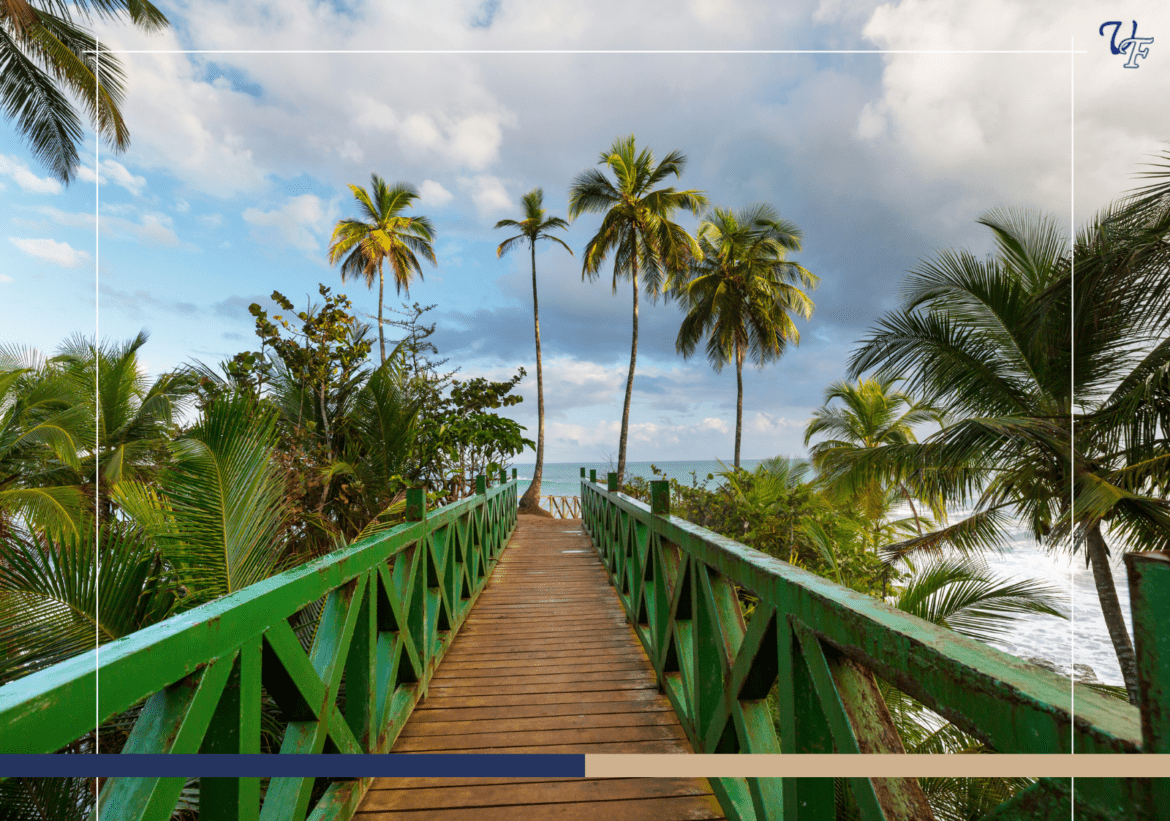
Diversity of Flora and Fauna in Costa Rica

Costa Rica is famously known as one of the “Most Biologically Active Places in the World” because of the incredible diversity of flora and fauna. This country is home to almost 5% of the world’s biodiversity. Forests, national parks, wildlife sanctuaries & refuges are the best places to visit in Costa Rica, showcasing the diverse biodiversity of the country.    

If you are visiting Costa Rica to enjoy its flora and fauna, this blog will be helpful. Continue reading to find out what this country has to offer you in terms of flora & fauna.    

sustainable development in Costa Rica

Why is Costa Rica so Biodiverse? 

Costa Rica means “Rich Coast” in Spanish. It is home to dozens of climate zones, habitats, and abundant flora and fauna. The biodiversity of Costa Rica is because of several factors. Some of them are –    

  1. Geological History: The country’s five active volcanoes (Turrialba Volcano, Poas Volcano, Arenal Volcano, Rincon de la Vieja Volcano, and Irazu Volcano) and certain tectonic events that happened during the Jurassic period resulted in the rich biodiversity of flora and fauna in the country.    
  1. Geographical Position: The tropical zones of Costa Rica are the richest zones in terms of biodiversity as they receive more solar energy and act as a bridge between hemispheres & territories, allowing species to migrate.   
  1. Weather and Topography: The presence of the central mountainous system and being open to both the Pacific & Atlantic coasts in Costa Rica results in microclimates ideal for species to migrate.    
  1. Variety of Soils: Rich volcanic alluvial soils form ideal conditions for species to find homes in the country after migration.   

Wildlife in Costa Rica  

Costa Rica is home to many animals because of its location halfway between the continents of North and South America, its neotropical temperature, and its abundance of ecosystems. More than 500,000 species are found in Costa Rica, making it one of the top 20 countries for biodiversity in the world.    

The Costa Rican wildlife includes animals, fungi, and plants. Certain areas like natural parks and habitats in Costa Rica are more likely to attract animals than others.    

Here, we have listed the top 4 wildlife species Costa Rica is famous for.   

Sea Turtles 

  • Costa Rica is the best location where you can see turtles easily.   
  • Every year, numerous turtle species travel in a large procession known as Arribada to the same beaches to breed.   
  • The Pacific Coast is home to the leatherback and hawksbill sea turtles.   
  • There are several well-known locations in Costa Rica near the Pacific coast to explore turtle nesting beaches.   

Whales 

  • Costa Rica offers its visitors a long whale-watching season.   
  • You can spot different whale varieties in the country, including Humpback whales, blue whales, pilot whales, and Pseudo-Orca whales.   
  • The humpback whales are the most well-known of whale varieties you can find in Costa Rica all year round.   
  • You can enjoy whale watching year-long, everywhere along the Pacific Coast.  

Monkeys 

  • You can find four species of monkey in Costa Rica: the white-faced capuchin, squirrel monkey, mantled howler, and spider monkey.   
  • They move around in groups. Therefore, if you spot one, you’ll probably spot the entire crew!  

Scarlet Macaws 

  • The scarlet macaw stands out among rainforest birds due to its vivid red color.   
  • Macaws are spectacular birds and, as they are lifelong partners, are typically spotted in pairs.   
  • The natural parks on the Central Pacific coast are the best spots to watch scarlet macaws. 
Rainforests and National Parks in Costa Rica

Rainforests and National Parks in Costa Rica  

Tropical forests that receive a lot of rain throughout the year are called rainforests. In rainforests, large trees form a canopy, and so they are a home to a wide variety of animals, insects, and bird species, making them ideal for nature lovers.    

Costa Rica has a high number of national parks, wildlife reserves, animal refuges, and a wide variety of flora and fauna because of its rainforests. They are why you get an abundance of wildlife and hiking routes in the country. Sloths, howler monkeys, white-faced capuchin monkeys, scarlet macaws, and poison dart frogs are well-known wildlife species in Costa Rican rainforests.  

Owing to the ecosystem of Costa Rica, there are six different types of rainforests you can find here during your visit.   

  1. Tropical Rainforests: They are known for diverse wildlife species and are the best adventure places in Costa Rica, offering activities like ziplining, ATV tours, horseback riding, and more.  
  1. Tropical Dry Forests: These forests experience low precipitation and less vegetation, easing wildlife-watching for visitors. Horseback riding, ziplining, white-water rafting, kayaking & mountain biking are some popular activities here.   
  1. Lowland Rainforests: They are known for the tallest trees in Costa Rica. You can take a boat tour to explore tropical cats and bird species in Costa Rica.   
  1. Cloud Forests: You will love the constant foggy appearance here. These forests are perfect for hiking, birdwatching, and ecotours.   
  1. Riparian Forests: These forests are located near a water body and provide a perfect home to land and water animals. These forests are perfect for enjoying birdwatching in Costa Rica.    
  1. Mangrove Swamps: You will find these forests partially submerged in water, providing shelter for hundreds of marine species. Kayaking is perfect for exploring forests like these. 

Famous National Parks in Costa Rica for Rainforests  

The National parks in Costa Rica are known for their lush green rainforests, freshwater system, and marine resources. This country has 28 national parks, of which 3 are UNESCO World Heritage sites. The famous national parks near Villa Firenze are:  

  1. Manuel Antonio National Park: Named as the “Most Beautiful Parks in the Country” by Forbes, Manuel Antonio National Park, the jewel of Costa Rica, is famous for its white sand beach, tropical forest, big mountains, and beautiful coral reefs.   
  1. Carara National Park: If you are looking for the best rainforest experience on the Pacific Coast, the Carara National Park on the Central Pacific Coast is perfect for you. 

Volcano Tours to Explore Costa Rica Flora and Fauna 

When talking about Costa Rica and its diverse biodiversity, we cannot forget to give credit to its volcanoes. There are around 60 extinct volcanoes, and six active volcanoes in the country, which you cannot afford to miss during your visit.   

The best way to witness the true beauty of volcanoes is to go for a Heli tour. With our private helipad at the Villa, you can enjoy these tours in absolute privacy and safety.   

  1. Rainforest & Poas Volcano Tour: Volcán Poas is one of the most famous volcanoes in Costa Rica. You will have a once-in-a-lifetime experience of viewing the lake & the volcanic crater on this tour.  
  • Arenal Volcano: Choose an early morning Arenal Volcano tour to enjoy the breathtaking view of Cerro Chato crater, San Carlos plains, and the Arenal Volcano.   

Vista Los Sueños Adventure Park  

If you are in and around the Jaco area and wish to have a fun-filled day, Vista Los Sueños Adventure Park is for you. This adventure park is considered one of the best places to visit in Costa Rica if you want your vacation to be full of exciting & adventurous things.   

Some of the activities you can enjoy in Vista Los Sueños Adventure Park with your family and friends are: 

  1. Ziplining: The zipline tour offered here is an excellent option for first timers and those visiting with families. You can enjoy beautiful rainforest views with raised cables set at comfortable heights.   
  1. ATV Tour: ATV tours are one of the best things to do here. You will enjoy a perfect blend of muddy trails, streams, rivers, waterfalls, & rainforests during your tour.   
  1. Horseback Riding: Horseback riding is one of the best ways to enjoy wildlife and the breathtaking natural vistas in the adventure park.   
  1. Chocolate Experience: The cacao tree is one of Costa Rica’s most prized possessions. The interesting and interactive Chocolate Tour will show you how cocoa trees are grown and how chocolate is made. You can also taste local chocolate to experience a bit of Costa Rican culture and tradition. 
eco-tourism at Villa Firenze

A trip to explore the biodiversity of flora and fauna of Costa Rica is the perfect way to explore this beautiful country inside out. The best part is you can enjoy the ideal blend of ecotourism and luxury in Costa Rica. So, pack your bags and board a flight to Costa Rica now!  

Discover the Best of Costa Rica with Villa Firenze

Key Takeaways
  • Exclusive-use estate inside Los Sueños Resort and Marina, Costa Rica’s Pacific Coast 
  • Only private estate in the area with an on-property helipad for direct tour departures 
  • Helicopter tours, RZR rides, fishing charters, and surf trips all pre-arranged before arrival 
  • Returns to private chef, a 50-foot infinity pool, and no other guests on property 
  • Villa Firenze is where Costa Rica’s best experiences begin and end 

Costa Rica earns its reputation quietly. Rainforest meets coastline. Volcanoes sit behind calm Pacific bays.  

Wildlife moves through the same trees that shade the roads. For a country this small, it holds an improbable amount of the world’s biodiversity and Costa Rica’s most iconic attractions barely scratch the surface of what a well-planned trip can include. 

Most travelers spend the first day figuring out where to go. The right base makes that question disappear. 

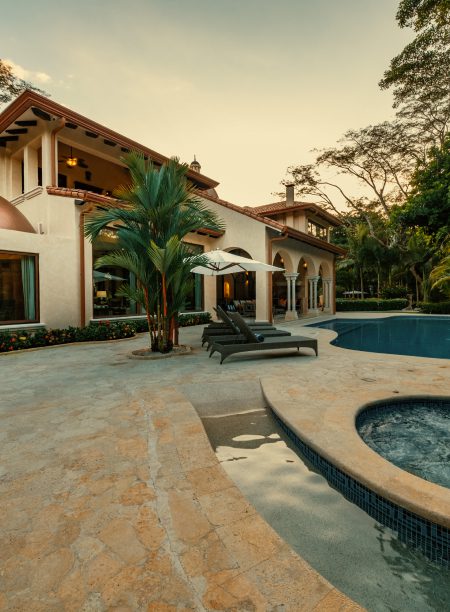
Villa Firenze is a fully private, all-inclusive estate at the Eco Golf Estates of Los Sueños Resort and Marina on Costa Rica’s Pacific Coast. It is a private home with a helipad, a chef, a full itinerary service, and four suites that belong entirely to your group.  

The trip does not start when you leave the villa each morning. It starts the moment you arrive. 

Why the Pacific Coast is the Right Side of Costa Rica 

The Pacific Coast runs longer, drier, and wilder than most visitors expect. Calm bays sit alongside open surf breaks. National parks press up against working marinas.  

The dry season stretches longer here than on the Caribbean side, making it the more reliable choice for groups who want consistent weather and maximum flexibility. 

Los Sueños Marina, where Villa Firenze sits, is the Pacific Coast’s most significant hub for sportfishing, boat charters, coastal dining, and daily departures into open water. Everything the coast offers is within reach. The villa is the point everything returns to. 

What Costa Rica Offers, and How the Villa Makes It Effortless 

The activities below are more than a generic list of things to do in Costa Rica. They are what guests at Villa Firenze actually do, arranged by the villa team before arrival, and returned from each evening to a private chef and a fire pit that hold the day together. 

Helicopter Tours Over Costa Rica 

Villa Firenze has the only private helipad in the immediate area. Helicopter tours depart directly from the property, which changes the experience of every destination below considerably. 

Tours the villa team arranges on request. 

  • Rainforest and Poás Volcano: Braulio Carrillo National Park and a close pass over the volcanic crater and its lake 
  • Island Tour: Aerial views of Isla Tortuga’s white sand and rock formations, with Isla Chiquita nearby 
  • Crocodiles and Carará: A low pass over Río Tárcoles and the national park behind it 
  • San José and Valle Central:  30-minute city tour covering the capital, Heredia, and the surrounding valleys 
  • Arenal Volcano: Views of the San Carlos plains, Arenal’s cone, and the extinct Cerro Chato crater 

The concierge builds the helicopter itinerary around who is in the group and how many days are available. Guests choose. The villa arranges everything else.

Sportfishing Out of Los Sueños 

Costa Rica is among the top billfish destinations in the world. Los Sueños Marina, minutes from the villa’s front gate, gives direct access to some of the Pacific’s most productive fishing grounds. 

Popular fishing grounds within reach of the marina. 

  • Herradura Bay: Sailfish and marlin, up to 200 boats operating, luxury dock facilities 
  • Gulf of Papagayo: Mahi-mahi, sailfish, and tuna; accessible for deep-sea and inshore trips 
  • Quepos and Marina Pez Vela: One of Central America’s leading marinas, strong sailfish presence year-round 

Dawn departures, long days on the water, cold beer on the ride back. The villa holds the rest of the day when the charter returns. 

RZR Tours, Surf, and Open Coast 

For top places to visit in Costa Rica all within easy reach of the villa, the options run from adrenaline-fueled to unhurried. 

Private RZR tours leave directly from Los Sueños, climbing into the hills behind the marina through riverbeds, past waterfalls, and up to viewpoints that take the whole coast in at once.  

Surf beaches within easy reach of Los Sueños. 

  • Playa Hermosa: Long, spacious, best for intermediate to experienced surfers 
  • Jacó Beach: Gentler waves, ideal for beginners, 20 minutes from Los Sueños 
  • Playas Esterillos Este and Oeste: 30 to 60 minutes out, quieter stretches with local character 

Playa Herradura: The beach closest to the villa, calm and well-equipped ziplining, wildlife tours, waterfall hikes, and coastal drives fill the gaps between the bigger days.   

How a Typical Day Actually Flows from Villa Firenze 

Early morning fishing charter out of the marina. Back by early afternoon to the pool and a lunch private chef has already started.  

A slow couple of hours before the group splits. Some to the X-Golf simulator, some to the jacuzzi, some nowhere in particular. 

Dinner on the terrace. Fire pit after. 

This is a 5-day itinerary starting from Villa Firenze run across five consecutive variations, each built around a different mood and a different corner of the Pacific Coast. 

For groups who want the full breakdown before arriving, curated tours from the villa cover every operator, every activity, and every detail the concierge manages on your behalf. 

What Sets Villa Firenze Apart for Exploring Costa Rica 

Costa Rica hands you the volcano, the ocean, the wildlife, and the open road.  

Villa Firenze hands you a cold drink when you get back, a chef who already knows what you want for dinner, and a pool that has been waiting all day. 

The country does the adventuring. The villa does everything else. That is the perfect luxury base for your Costa Rica adventure. 

📧 concierge@villafirenzecr.com  

📞 +1 954 947 0412  

🌐 villafirenzecr.com/search-availability 

FAQs

What is the Best Time to Visit Costa Rica? Tips to Plan Your Vacation?

Key Takeaways
  • December through April generally offers the driest weather across much of Costa Rica’s Pacific side. 
  • May through November brings the green season, with more frequent rainfall and increasingly lush landscapes. 
  • September and October are typically among the rainiest months on the Pacific side. 
  • May, June, July, and November can offer a balance between seasonal weather and fewer peak-period crowds. 
  • Families with young children may prefer the dry season for simpler outdoor planning and fewer weather-related changes. 
  • The best month ultimately depends on your destination, activities, and tolerance for tropical rain. 

The best time to visit Costa Rica depends on what you want from the trip. For the most consistently dry weather on much of the Pacific side, December through April is generally the preferred period. For greener landscapes, fewer peak-season crowds, and a slower pace, the green season offers a different kind of appeal. 

There is one important detail many travel guides overlook: Costa Rica is not climatically identical from coast to coast. The Pacific and Caribbean regions follow different rainfall patterns, while elevation can change conditions considerably.  

Where you plan to stay matters just as much as when you plan to arrive. 

When is the Best Time to Visit Costa Rica? 

For travelers prioritizing sunny days, beaches, national parks, and outdoor excursions, December through April is generally the best time to visit Costa Rica’s Pacific coast. 

The Instituto Meteorológico Nacional, Costa Rica’s national meteorological authority, describes the Pacific side as having a pronounced dry and rainy seasonal cycle, although exact timing and rainfall vary by region. 

The green season should not automatically be treated as the wrong time to visit. Tropical rain can arrive in concentrated periods rather than occupying an entire day, and the wetter months bring their own rewards: intensely green landscapes, a quieter atmosphere in many destinations, and a different rhythm of travel. 

The better question is not simply when you should visit Costa Rica. It is what kind of Costa Rica experience you want.

Costa Rica’s Dry and Green Seasons Explained 

Costa Rica’s tropical climate is often simplified into two seasons, but regional differences make the reality more nuanced. 

Dry Season 

Across much of the Pacific side, the dry season generally extends from around December into April or May. 

This is the period most travelers associate with classic Costa Rica holiday weather.  

Days are generally better suited to beaches, national parks, golf, and outdoor excursions, while drier conditions can make road travel and transfers more predictable. 

The trade-off is demand. Christmas, New Year, and other major holiday periods can be particularly popular, so travelers looking for specific accommodations or experiences may benefit from planning earlier. 

Green Season 

The wetter period on the Pacific side generally extends through much of the middle and latter part of the year, with September and October typically among its rainiest months. 

The difference between the two seasons can be summarized simply: 

  • Choose the dry season for more predictable outdoor plans and a weather-first itinerary. 
  • Choose the green season for lush landscapes, a quieter rhythm, and greater flexibility. 
  • Consider transitional months such as May and November if you want characteristics of both seasons. 

The green season can work particularly well for travelers who value privacy, nature, and slower days more than uninterrupted sunshine.  

A tightly scheduled beach holiday has different weather requirements from a private villa stay where plans can change easily.

Costa Rica Month-by-Month Travel Guide 

The table below is a broad planning guide, particularly relevant to Costa Rica’s Pacific side. Weather varies by region and year, so it should be used as a seasonal overview rather than a daily forecast.

Month General Weather Pattern Typical Crowd Level Best For 
January Dry and sunny High Beaches and outdoor adventures 
February Dry and warm High Couples and active itineraries 
March Hot and predominantly dry High Beach vacations and excursions 
April Dry with seasonal transition approaching Medium to high Outdoor travel and Easter trips 
May Green season begins Lower Lush scenery and quieter travel 
June More frequent rain Lower Nature and flexible itineraries 
July Green season with possible drier intervals Medium Summer family vacations 
August Increasing rainfall Medium Wildlife and slower travel 
September Very wet on much of the Pacific side Low Privacy and relaxed stays 
October Very wet on much of the Pacific side Low Seclusion and flexible itineraries 
November Transition toward the drier season Lower Green landscapes with improving conditions 
December Dry season begins High Holiday and family travel 

For a broader introduction to destinations and planning, explore our Costa Rica travel guide before building your itinerary. 

The Best Time to Visit Costa Rica Based on Your Trip 

A calendar can tell you when rain is more likely. It cannot tell you which month is right for you. Your ideal travel dates depend on what you want your days to look like. 

Best Time for Reliable Dry Weather 

Choose January through March if dry conditions are your highest priority and you are staying on the Pacific side. 

These months are particularly convenient for beach-focused vacations and active itineraries involving several outdoor excursions. They can also make a first visit easier to plan because there is generally less need to build weather contingencies into each day. 

The main consideration is demand. Popular destinations and distinctive private accommodations can book earlier during the dry season. 

Best Time for Fewer Peak-Season Crowds 

Consider the green-season months outside major holiday periods if a quieter atmosphere matters more than guaranteed sunshine. 

May and June can appeal to travelers who are comfortable with some rain and want to experience the landscape as it turns increasingly green. July falls within the green season but is popular with summer travelers, while November can offer an interesting transition as much of the Pacific side moves toward drier conditions. 

Crowd levels still vary by destination, event, and holiday, so season should be treated as one factor rather than a guarantee. 

Best Time to Visit Costa Rica with Kids 

For families traveling with young children, the dry season from December through April is generally the easiest period, particularly on the Pacific coast. 

It can make several parts of a family trip simpler: 

  • Beach days are easier to plan. 
  • Outdoor excursions face fewer weather-related disruptions. 
  • Transfers can be more predictable. 
  • Families have less need to reorganize plans at short notice. 

Families with more flexibility may also enjoy June or July, particularly when staying somewhere with enough on-property activities to make an afternoon shower feel like a change of plan rather than a lost day. 

Before choosing your dates, our guide to planning a family vacation in Costa Rica offers additional practical considerations. 

Best Time for Couples and Honeymoons 

There is no single perfect honeymoon month. The right season depends more on the atmosphere you want. 

January through March suits couples looking for sunny days, beach time, and a fuller schedule of outdoor experiences. May and June bring greener surroundings and a slower rhythm, while November sits at the transition toward the drier Pacific season. 

A clear Pacific sunset has obvious appeal, but tropical rain moving across the rainforest can be equally atmospheric when there is nowhere you need to be. 

For couples choosing their dates, privacy and flexibility can matter just as much as the season itself.

Best Time for Nature and Lush Landscapes 

The green season is the natural choice if seeing Costa Rica at its most verdant is a priority. 

As seasonal rain returns, vegetation deepens in color and the rainforest takes on a different character.  

Travel during these months simply requires more flexibility. Plan outdoor activities around local conditions, carry appropriate rain gear, and avoid building an itinerary where every hour depends on perfect weather.

What is the Best Time to Visit Costa Rica’s Central Pacific Coast?      

For the Central Pacific, where Villa Firenze is located near Los Sueños and Herradura Bay, December through April is generally the strongest choice for travelers prioritizing dry weather. 

At Villa Firenze, changing weather does not necessarily mean losing a day of your vacation. Rain gear is provided for guests, making passing showers easier to navigate, while the villa’s X-Golf simulator offers an indoor option when the weather encourages a change of plans. 

The advantage of a private stay is flexibility. A morning excursion can move earlier. Lunch can linger. An afternoon outdoors can become time at the villa without feeling as though the day’s plans have disappeared.  

With a concierge helping coordinate the itinerary, the experience can respond to the weather rather than compete with it. 

Travelers deciding which part of the country best suits their plans can also explore our guide to where to stay in Costa Rica for the perfect vacation.

Is Costa Rica Worth Visiting During the Rainy Season? 

Yes, particularly if you understand what you are choosing. 

The rainy season is less suited to travelers who need guaranteed sunshine every day. It can be very well suited to travelers who appreciate lush scenery, flexible days, and a more relaxed pace. 

September and October require the most careful consideration for Pacific Coast travel because they fall within the wetter part of the regional calendar.  

For other green-season months, rain does not automatically define every hour of every day. Your destination, itinerary, and accommodation all influence how much the weather affects the experience. 

A private villa can make that flexibility easier. When the property itself is part of the experience rather than simply somewhere to sleep, an afternoon indoors does not necessarily feel like time lost.

A Note on Costa Rica’s Growing Popularity 

Costa Rica continues to attract millions of international visitors. The country recorded 2,661,488 international tourist arrivals by air in 2024, a 7.7% increase compared with 2023. 

That popularity makes timing increasingly important, particularly for travelers planning around major holidays or seeking highly specific accommodations. 

If you are committed to traveling during the peak dry season, planning earlier can give you greater control over flights, accommodation, private excursions, and special celebrations. 

So, When Should You Visit Costa Rica? 

If sunshine and predictable outdoor plans matter most, choose the dry season from December through April for Costa Rica’s Pacific side and if you would happily trade some sunshine for greener landscapes and a quieter rhythm, consider May through August or November. 

Costa Rica changes throughout the year. The secret is choosing the version that suits the way you want to travel. 

At Villa Firenze, each season brings a different view of the Pacific Coast, from bright dry-season mornings to rain settling over the forest. The right time to arrive is the one that gives you the experience you came for.

Frequently Asked Questions