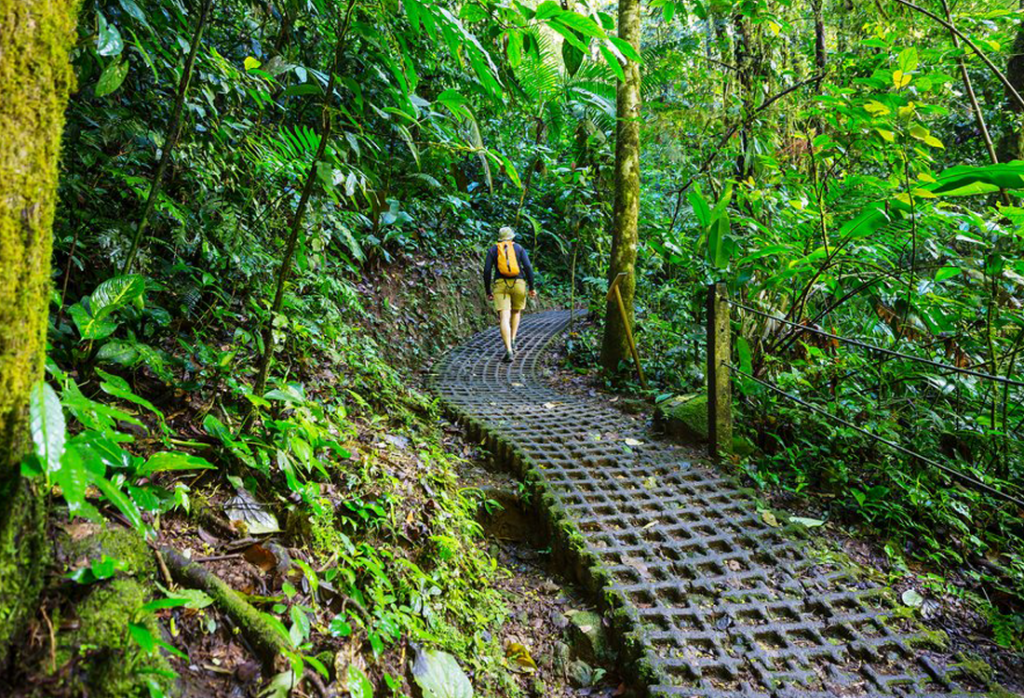
Your Guide to Limón Province, Costa Rica 

Key Takeaway  

  • Limón Province blends Afro-Caribbean culture, rainforest energy, and laid-back beach life into one unforgettable coastal experience. 
  • The best time to visit varies depending on your goal: sunny beach days, wildlife sightings, or quieter travel windows. 
  • Limón’s top attractions include rainforests, canals, wildlife sanctuaries, cultural towns, and vibrant coastal communities. 
  • The province’s beaches each have their own personality: calm and family-friendly, wild and surf-ready, secluded and scenic. 
  • Limón’s Afro-Caribbean influence shapes the food, music, language, and cultural rhythm that make this region feel distinct. 
  • Birdwatchers and nature lovers will find Limón Province teeming with rare species, offering early-morning sightings, and boasting world-class reserves. 
  • Families, couples, and wellness travelers will find their own version of paradise in Limón’s beaches, wildlife, and slow, soulful pace. 

Where the rainforest meets the Caribbean, and culture breathes through every color, sound, and flavor. Limón Province feels different the moment you arrive. The Caribbean breeze carries the scent of coconut and sea salt. Music spills out of doorways. Sloths nap above you. The food has personality. And the people here are simply amazing… warm, expressive, and rooted in Afro-Caribbean heritage, shaped by the rhythm of this place more than anything else. 

If you’re planning a trip to Costa Rica and want a destination with soul, culture, beaches, wildlife, and a slower, more colorful pace, Costa Rica Limón Province is where you’ll find it. 

Use this guide to understand what to expect, what to explore, and where to begin, for a relaxing, hassle-free vacation in simple but not-so-simple Limon Province.  

Best Time to Visit Limón Province 

Best Time to Visit Limón

Limón plays by its own weather rules. Unlike the Pacific side, which has a strict dry and rainy season, the Caribbean coast enjoys sunshine and showers throughout the year, often on the same day. The rainforest remains lush, the air remains warm, and the beaches remain inviting year-round. 

February–March and September–October usually offer the clearest skies. These months are ideal for long beach days, snorkeling in crystal-clear water, wildlife-watching, and hiking on well-maintained trails. 

Other months still bring plenty of sunshine, but more frequent showers, which often pass quickly and make the forest richer, greener, and more alive. Wildlife thrives in the wetter weeks, making it a great time for birdwatching or spotting sloths and monkeys. 

Your ideal time depends on your priorities: 

  • Beach-forward trip – Choose the sunny windows. 
  • Wildlife-focused trip – The green months shine. 
  • Avoiding crowds – June, July, and November are wonderfully calm. 

Planning your dates? See our full breakdown in “Best Time to Visit Limón Province, Costa Rica.” 

Attractions in Limón Province, Costa Rica 

Limón is one of Costa Rica’s most diverse regions, featuring rainforest canals, white-sand beaches, charismatic towns, wildlife sanctuaries, adventure rivers, and a blend of Caribbean culture, all of which coexist here. 

Start with Tortuguero National Park, an otherworldly maze of canals where boats glide past monkeys, caimans, herons, and, if you time it right, nesting sea turtles are a must. 

In Cahuita National Park, trails run alongside pristine beaches, and the coastal reef offers spectacular snorkeling. The park feels like two adventures in one: jungle + sea. 

Puerto Viejo de Talamanca brings the energy, reggae rhythms, bold murals, surf breaks, and food full of spice and coconut. It’s the cultural heartbeat of the southern Caribbean. 

For raw wilderness, Gandoca–Manzanillo Wildlife Refuge delivers untouched rainforest, coastal cliffs, mangroves, and reef. You’ll likely meet more monkeys than tourists. 

Families and wildlife lovers flock to the Sloth Sanctuary, a rehabilitation center where you learn about conservation while watching rescued sloths do what they do best — move slowly and charm everyone. 

If adventure calls, the Pacuare River is one of the world’s best rafting destinations. Tumbling rapids meet dramatic canyon walls, and the rainforest is dripping with life. 

And if music and culture are what you’re after, Limón Carnival in October brings a burst of color, dance, and Afro-Caribbean celebration that takes over the streets for days. 

Want to plan your own Limón highlights itinerary? Explore our full guide: “Attractions in Limón Province, Costa Rica.” 

Must-See Attractions in Limón

Must-Visit Beaches in Limón Province  

Best Beaches in Limón Province

Limón’s beaches aren’t just beautiful. Each of them offers a different mood, a different rhythm. Here’s a taste of what makes them special. 

Punta Uva is the soft, calm, postcard-perfect beach everyone falls in love with. Clear water, gentle waves, and a jungle backdrop that feels like a living postcard. 

Playa Cocles brings the surf energy. Golden sand, lively beach culture, and waves that keep surfers coming back. 

Playa Chiquita stays quiet and secluded with small coves, tide pools, turquoise water, and enough shade for long, lazy afternoons. 

If you love drama, Playa Negra, with its volcanic black sand and moody palette, is unforgettable. 

Cahuita National Park’s beaches offer a mix of white sand, coral reefs, and abundant wildlife. Imagine saying hello to monkeys overhead and fish beneath your feet. 

At the far end of the coast, Manzanillo combines a reef, rainforest, and a slow-paced village charm. It feels both remote and deeply local. 

Closer to Limón city, Playa Bonita delivers that “local secret” vibe, great for a relaxed time by the sea. 

Need help choosing your perfect beach match? See our full guide: “Limón’s Best Beaches.” 

The Afro-Caribbean Influence in Limón Province

To understand Limón, you need to understand its culture, shaped profoundly by Afro-Caribbean communities that arrived from Jamaica and other Caribbean islands generations ago. Their traditions, language, spirituality, food, and music created the Limón you experience today. 

This influence lives in the region’s cuisine: coconut rice and beans cooked the Caribbean way, rondon stews infused with spice and soul, patties, plantains, fresh fish, ginger drinks, and flavors that feel warm and bold. 

It moves through the music — reggae, calypso, mento — played live in beach bars, festivals, and family gatherings. 

You’ll hear it in the local dialects, see it in murals, taste it in home-style cooking, and feel it in the community’s warmth and storytelling. 

The Afro-Caribbean essence of Limón is what makes the province unlike any other part of Costa Rica. It’s vibrant, expressive, soulful, and deeply proud. 

Want to understand Limón’s identity before you visit? Explore our full guide: “The Afro-Caribbean Influence on Limón.” 

Afro-Caribbean Influence

Birding Destinations in Limón Province

Birding Destinations in Limon

Costa Rica’s Limón Province is a dream destination for bird lovers, whether beginners or experienced. The forests, wetlands, and coastlines attract species you won’t see anywhere else. 

La Selva Biological Station, located in the northern part of the province, is a world-class birding site renowned for its biodiversity and guided walks through primary rainforest. 

Gandoca–Manzanillo brings coastal species, migratory birds, and stunning early-morning sightings along quiet trails. 

Tortuguero is exceptional for birding by boat. Herons, ibis, toucans, kingfishers, jacanas… the list goes on. Dawn on the canals feels magical. 

Cahuita mixes forest species with coastal birds, making it a great all-round choice. 

And Veragua Rainforest offers canopy-level platforms where birds perch at eye level, making it amazing for photography and rare sightings. 

If you’re patient, curious, and willing to wake up early, Limón will spoil you with color, sound, and winged surprises. 

Ready to plan your birding itinerary? Read our full “Birding Destinations in Limón, Costa Rica” guide. 

Wellness Retreats in Limón — Rejuvenate Your Body and Soul by the Sea

Limón is ideal for resetting your mind and body. The landscape does half the work with its calm beaches, rhythmic waves, warm mornings, rain-soaked forests, and a pace that encourages you to breathe a little deeper. 

Wellness retreats here are intimate, nature-forward, and restorative. You’ll find yoga programs nestled in jungle canopies, meditation sessions with the ocean breeze flowing through, sound healing, massage therapies, breathwork, detox programs, and holistic treatments rooted in local culture. 

Whether you want a deep reset, a romantic wellness escape, a week of movement and mindfulness, or simply a quiet place to unwind, Limón Province has a retreat that suits you. 

Thinking of planning a wellness getaway? Explore our full guide: “Wellness Retreats in Limón.” 

Wellness Retreats in Limón

Family-Friendly Activities in Limón Province – Things to Do with Kids

Top Things to Do in Limón

Limón is surprisingly easy for families. You get slow roads, warm beaches, accessible wildlife, and endless ways to keep kids curious and engaged. 

Families love: 

  • Calm beach days at Punta Uva 
  • Wildlife walks in Cahuita. 
  • Tortuguero boat tours 
  • Visiting the Sloth Sanctuary 
  • Waterfall adventures near Indigenous Bribri communities 
  • Chocolate-making workshops 
  • Gentle nature trails shaded by jungle canopy 

The province offers a good mix of fun, learning, and outdoor time — without long travel distances between activities. 

Need kid-friendly ideas to build your family itinerary? See our full guide: “Family-Friendly Activities in Limón.” 

Conclusion 

Limón Province in Costa Rica isn’t the polished, postcard version of Costa Rica. But it’s the soulful one. The culturally rich one. The one with beaches that feel wild and alive, forests that hum with wildlife, and people whose warmth stays with you long after you leave. 

Whether you’re here for culture, nature, beaches, wildlife, wellness, or family adventures, Limón gives you experiences that feel personal, not packaged. 

Start with the activity that speaks to you the most. Then go deeper. Limón rewards curiosity with beauty, depth, and real connection. 

Make Your Reservation with Villa Firenze

Required fields are followed by *


Reserve of 1 available accommodations.

Luxury Villa, Costa Rica is available for selected dates.

10 Must-See Attractions in Limón Province, Costa Rica 

If Costa Rica is the “pura vida” country, Limón Province is its Caribbean heart. It’s where rainforests hug the coastline, reggae music flows from beachside bars, and sloths make you question your stressful way of life. 

Limón is not slick or choreographed. It’s real, vibrant, full of personality, and absolutely unforgettable. You’ll discover Afro-Caribbean culture infused in every nook, from the cuisine to the music, and the scenery here is nothing but out of this world.  

Ready to immerse yourself in the untamed, vibrant, and rugged version of Costa Rica? Here are ten not-to-be-missed attractions in Limón Province that will leave you speechless (and possibly wish to stretch your stay forever). 

1. Tortuguero National Park 

Tortuguero is the jackpot if you’ve ever wanted to step into a rainforest that feels alive in every direction. This national park in Costa Rica is a maze of canals, lagoons, and dense jungle, buzzing with wildlife. Boats glide past sleepy caimans, howler monkeys scream from the treetops, and toucans flash by like flying fruit salads. 

However, the main attraction of Limón Province is the sea turtles. Thousands of them come ashore every year to nest. If you time your visit right during nesting season, seeing a giant mama turtle struggle through the sand will make you feel alive.  

Pack bug spray, patience, and a good camera. You’ll be using all three during your visit to Tortuguero National Park

2. Cahuita National Park 

Cahuita is a coastal dream: powdery white sand, coconut palms, and a coral reef that sparkles just offshore. The hiking trail runs along the beach, so you’re never far from a quick dip in the ocean. On land, it’s a wildlife parade. Think sloths hanging out like professional nap champs, capuchin monkeys trying to steal snacks, and bright iguanas basking like sun-loving dragons. 

Snorkelers, listen up: Cahuita’s reef is home to colorful fish, stingrays, and even nurse sharks if you’re lucky. Hikers, prepare for a jungle path that doubles as a runway for crabs and curious raccoons. Whether you’re in the water or on the trail, Cahuita National Park delivers the perfect combo of beach and jungle vibes. 

3. Puerto Viejo de Talamanca 

If Limón has a capital of cool, it would be Puerto Viejo. This small beach community includes reggae rhythms, surfboards, and painted murals. It’s laid-back and on-the-go at the same time. You can enjoy a cocktail beneath a palm tree while watching the sunset and dance barefoot at a beach bar an hour later. 

Puerto Viejo is also a foodie paradise. Afro-Caribbean specialties such as coconut rice and spicy rondon soup will leave you salivating, and fresh seafood is ubiquitous. And the surfing here is famed. If you have the talent (or the guts), you can strike with the Salsa Brava, a wave monster. If not, Playa Negra or Playa Cocles are more pleasant alternatives. 

Essentially, visit the beaches and remain for the vibe. 

4. Gandoca-Manzanillo Wildlife Refuge 

This place has the feel of nature holding a secret and now revealing it to you. Untamed wilderness is what Gandoca-Manzanillo has in abundance — mangroves, rainforests, coral reefs, and beaches that just go on forever. The trails are not as populated as in other parks, so you’ll likely have more monkeys than people to share the trail with. 

It’s a paradise for bird-watchers as well. Parrots, toucans, herons… if it’s got feathers and color, there’s a good bet that it calls this place home. Marine-wise, lucky snorkelers may spot dolphins or manatees. Gandoca-Manzanillo’s not glitzy tourism; it’s raw, untamed Costa Rica at its best. 

5. Sloth Sanctuary of Costa Rica 

Sloths are essentially Costa Rica’s unofficial mascots, and the Sloth Sanctuary is where you meet them in style. It rescues and rehabilitates injured or orphaned sloths, and it’s both adorable and heartwarming. 

You’ll see baby sloths clinging to stuffed animals, adults munching on leaves at sloth speed, and hear stories about how these creatures are kept safe and protected here. It’s not just a “cuteness-overloaded” stop; it’s an eye-opener about the importance of animal conservation and sustainable wildlife practices

Fair warning: you’ll leave seriously tempted to slow your own life down to a sloth pace. This is nothing but the impact of Pura Vida on you.  

6. Pacuare River 

If adventure is your passion language, the Pacuare River is going to sweep you away (literally, if you don’t hold on). This is one of the best white-water rafting destinations in the world, with rapids that will have you laughing, screaming, and sometimes praying. 

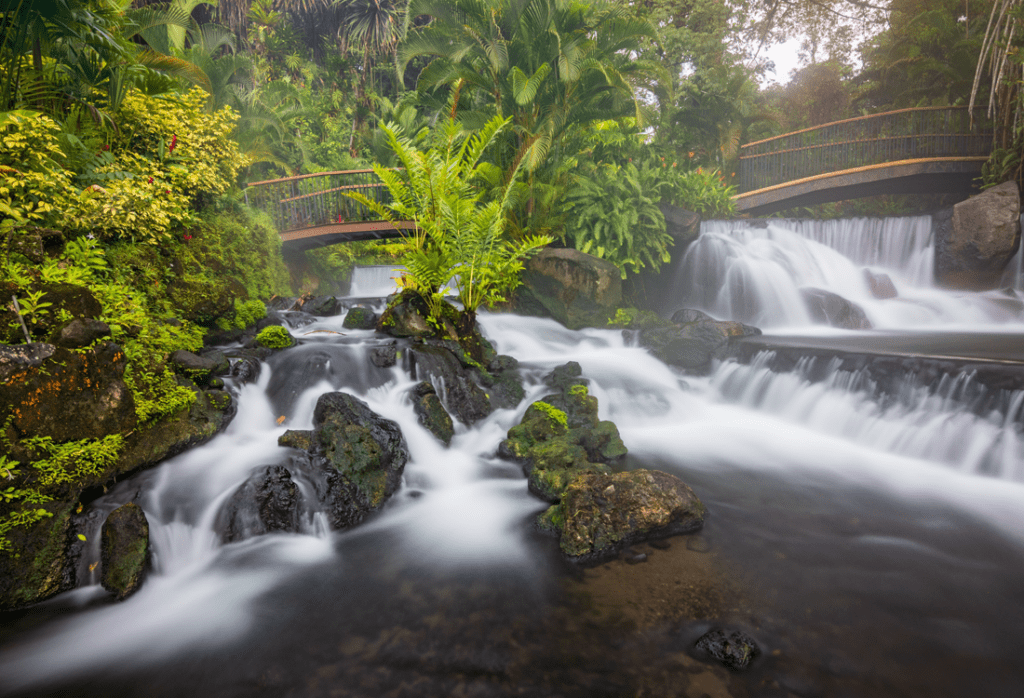
But the adrenaline is only half the tale. Costa Rica scenery along the river is straight-out jungle magic… waterfalls dropping over cliffs, butterflies drifting across the water, and giant green walls that leave you feeling small. Between the thrills and scenery, rafting the Pacuare is a definite must. 

7. Playa Cocles 

Just beyond Puerto Viejo, Playa Cocles is a postcard brought to life—long expanses of golden beach, palms for shade, and waves that virtually invite a surfboard. If surfing is not your passion, pick up a fresh coconut and stretch out in the sun. 

The beach is vibrant yet not overcrowded, making it ideal for people-watching. It offers a mix of activities, with surfers, beach volleyball players, and couples strolling hand-in-hand. Witnessing a sunset over the water transforms an ordinary day into one of the best beach experiences you can have in Costa Rica. 

8. Veragua Rainforest Park 

If you need to observe Costa Rica’s biodiversity with a bit of a plan, Veragua Rainforest Park is the ticket. It’s a research center/eco-park hybrid that’s all sorts of fun. 

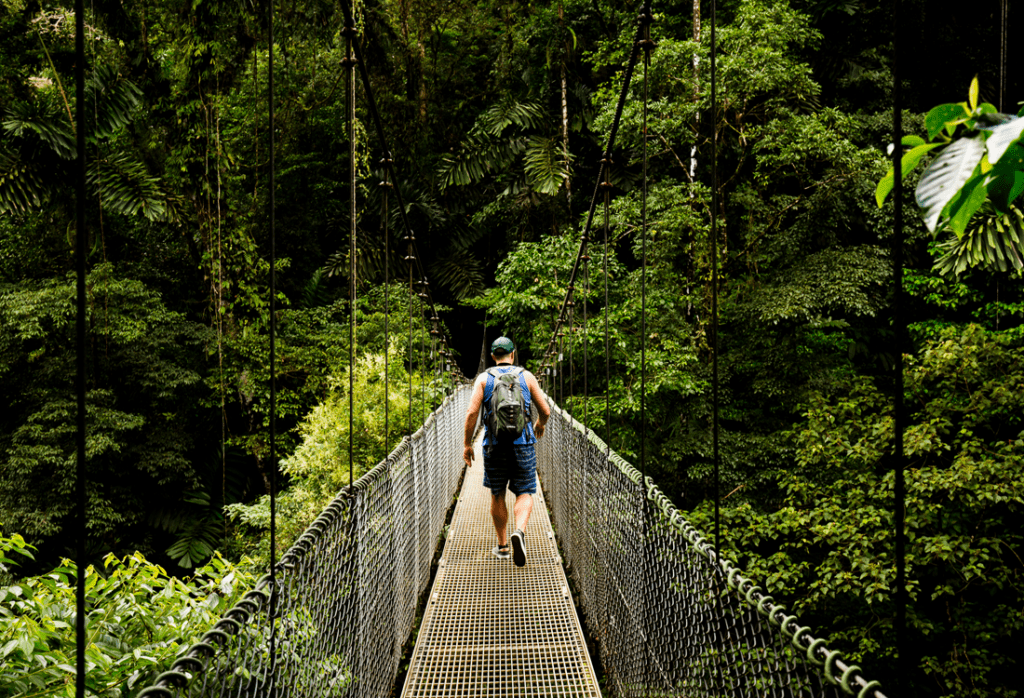
You can walk through butterfly gardens, glimpse reptiles up close, traverse hanging bridges, and zip line through the treetops. They even have a gondola that takes you smoothly through the treetop canopy. It’s less perspiration and more amazement. It’s informative, hands-on, and you’re right in the thick of it.  

9. Puerto Vargas 

Technically, while exploring Cahuita National Park, you will come across Puerto Vargas, which is nothing but worth a shout-out of its own. Why? Because it’s less crowded than the official entrance, and the beaches are stunningly gorgeous. Imagine tranquil strips of sand, cooled-off areas under the trees, and significantly fewer human beings. 

It’s also a great place to start hikes that snake into the park, offering a different angle of Cahuita’s magic. Puerto Vargas, among the top 10 attractions of Limón Province, is your golden ticket if you want beauty without the crowds.  

10. Limón Carnival 

If you can plan your visit for October, you’re in for one wild party. Limón Carnival is a seven-day extravaganza celebrating Afro-Caribbean culture. It’s a full sensory overload — music that gets you moving, costumes that shine like the sun, and food stands wafting irresistible aromas. 

The entire Limón province, Costa Rica, comes alive, and the energy is contagious. Even if you’re not big on crowds, the vibe here will melt your hesitation. Limón Carnival isn’t just an event; it’s a cultural heartbeat you’ll never forget. 

Bonus Spots Worth Sneaking In 

If you’ve got extra time, don’t miss: 

  • Volio Waterfall near Bribri — a jungle hike leading to a perfect swimming hole. 
  • Cariari National Wetlands — peaceful, under-the-radar, and paradise for bird geeks. 
  • Puerto Limón city — walk the boardwalk, stuff yourself with Caribbean cuisine, and visit local markets.
Must-See Attractions in Limón

Conclusion 

Limón Province isn’t just another Costa Rican province. It’s the country’s wild, colorful, soulful side. You’ve got sea turtles nesting under the moonlight, sloths doing their best impression of a yoga class, rivers that test your courage, and festivals that make your heart beat faster. 

Come with an open mind and some extra days in your plans. Take it slow in Cahuita or Puerto Viejo, turn it up a notch on the Pacuare, and have the culture envelop you like a hug. 

The toughest thing about traveling to Limón? Deciding how to leave when your heart has already made up its mind to stay. 

Best Beaches in Limón Province, Costa Rica 

If you’re craving a side of Costa Rica that feels more reggae than reggaetón, Limón Province is calling your name. The Caribbean coast here has a different personality than the flashy Pacific side. At the same time, everyone else is chasing sunsets in Tamarindo or Jacó, Limón vibes with coral reefs, jungle backdrops, Afro-Caribbean flavor, and beaches that will steal your heart. 

And here’s the kicker: no two beaches here are the same. Some are bold and buzzing with surfboards, smoothie stands, and beats floating through the palms. Others are so quiet you’ll swear you stumbled onto your own private island. 

So, if you’re trying to figure out which sandy spot matches your travel mood, let’s break down the beach lineup in Limón Province, Costa Rica.  

1. Playa Punta Uva – The Softie 

Punta Uva is the beach that makes you whisper “wow” before you even drop your bag. The water is crystal-clear, the sand is powdery-soft, and the vibe is dreamy. 

It’s perfect for snorkeling because the reef blocks out big waves, so you can float around like a happy little starfish without worrying about being tossed around. Families love this beach in Limón Province because it’s safe, calm, and straight out of a screensaver. 

And the backdrop you will get to embrace is nothing but a pretty, scenic jungle. We’re talking monkeys doing parkour in the trees, sloths living their best lazy lives, and toucans yelling from above. Oh, and if you’re feeling adventurous, a little river empties into the ocean. You can kayak it through mangroves while herons and iguanas basically cheer you on. 

Best for: Calm swims, family days, first-time snorkelers, and anyone who thought, “I could totally move here.” 

2. Playa Cocles – The Wild One 

Cocles is pure energy. Golden sand, endless surf waves, beach bars, and music spilling out of every corner. Surfers worship this place, and even if you’ve never touched a board, there’s always someone ready to rent you one and teach you how to faceplant gracefully. Trust us, you will love snorkelling here. 

The southern end is calmer if you want to swim, but the real draw is the people. Young travelers, local surf legends, reggae beats in the background. It’s a whole social scene. Order a smoothie, flop into the sand, and let the chaos unfold around you. 

Best for: Surfing, meeting people, and “I just joined a beach club I didn’t know existed” energy… this will be your favorite Limón Beach.  

3. Playa Chiquita – The Secret Keeper 

Just a short ride from Cocles, Playa Chiquita is the exact opposite. You’ll wander down a little jungle path, and suddenly—boom—a tucked-away paradise with tide pools and turquoise water. 

This is one of those “bring snacks and don’t tell anyone” spots. It feels like your own private getaway, with natural pools perfect for floating or letting kids splash around. And since it’s carved into cozy coves, you get extra privacy. 

Pro tip: Pack a hammock, string it up in the palms, and lose track of time. 

Best for: Introverts, couples, tide-pool fans, and anyone allergic to crowded beaches. 

4. Playa Negra – The Drama Queen 

Most Caribbean beaches serve up golden or white sand. Playa Negra said, “Nah, let’s be different.” With volcanic black sand that glitters in the sun, this beach is bold, moody, and absolutely Instagram-worthy. 

It’s close to Puerto Viejo town, so you can walk there easily, but it never feels packed. Surfers love it, but swimmers should be cautious—currents can be strong. Honestly, even if you just come to sprawl out on that unique sand and snap photos at golden hour, it’s worth the trip. 

Best for: Photography, surfing, and travelers who love a little drama. 

5. Cahuita National Park Beaches – The Overachievers 

Cahuita is like a 2-for-1 deal: incredible jungle trails and gorgeous beaches in one swoop. Playa Blanca is the classic here. White sand, calm water, and coral reefs stuffed with fish species you have not even imagined existed. It’s a snorkeler’s dream. 

Then there’s Puerto Vargas, quieter, longer, and framed by dense jungle for that “Robinson Crusoe but make it chic” vibe. You’ll probably spot monkeys and sloths before you even spread your towel. 

Best for: People who can’t choose between hiking and beaching, wildlife lovers, and snorkel addicts. 

6. Playa Manzanillo – The Old Soul 

Way down at the end of the road, Playa Manzanillo is part fishing village, part natural wonder. The reef is right off the shore, so snorkeling here is a chef’s kiss. Sometimes, manatees even glide through like mystical sea cows. 

The village itself is super chill. You’ll find local food, friendly vibes, and none of the “overdeveloped touristy” nonsense. Add in jungle trails leading to remote cliffs and hidden coves, and you’ve got an all-day adventure spot. 

Best for: Snorkeling, slow travel, and folks who love mixing culture with nature. 

7. Playa Bonita – The Local Favorite 

Closer to Limón city, Playa Bonita is where locals come to escape the hustle. It’s got golden sand, pockets of calm water, and fewer tourists than the southern beaches. Currents can be tricky, but plenty of safe spots for a dip exist. 

It’s the kind of place you go with a cooler full of snacks, claim some shade, and spend the whole day just vibing. 

Best for: A local feel, low-key swimming, and lazy afternoons near the city. 

8. Playa Blanca (Cahuita) – The Showstopper 

Yes, Playa Blanca already got a shout-out, but let’s be real…it deserves its own spotlight. This is the white-sand fantasy beach of Limón. Rainforest backdrop, turquoise water, and colorful reef, it’s pure paradise with zero gimmicks. 

There are no loud beach bars, no blaring speakers. Just you, the sand, and monkeys casually strolling by like they own the place. 

Best for: Classic postcard vibes, snorkeling, and total tranquility. 

9. Playa Puerto Viejo – The Social Butterfly 

Right in the middle of town, Playa Puerto Viejo is where the party never really stops. It’s not the best for long swims (rocky bits make it tricky), but it’s unbeatable for atmosphere. Think reggae, calypso, cocktails, and sunsets that pull the whole crowd together. 

This is your spot if you want to meet fellow travelers, grab a drink, or people-watch. You can literally roll out of your hostel, kick off your flip-flops, and boom—you’re there. 

Best for: Social travelers, sunset lovers, and anyone who wants nightlife within crawling distance. 

Essential Things to Know for a Hassle-free Beach Day in Limón Province 

When to Go: 

The Caribbean Coast plays by its own rules. The sunniest months are usually February–March and September–October. But honestly, even in the “rainy” season, Limón Province, Costa Rica, is lush and gorgeous. A little shower, jeans, more jungle vibes. 

Stay Safe: 

Currents are sneaky, especially at Cocles, Negra, and Bonita. Always ask locals before swimming. In Cahuita, watch the river crossings if the tide is high. Oh, and if you’re snorkeling, please use reef-safe sunscreen. Protect the coral fam. 

Eat Everything: 

Limón’s food scene is a magic of Afro-Caribbean flavors. Start with Rice and Beans (cooked in coconut milk, not to be confused with the basic rice-and-beans on the Pacific side), add a plate of fresh fish, chase it with ceviche, and wash it down with Agua de Sapo (a ginger-lime drink that sounds weird but tastes heavenly). One bite in and you’ll get why this province feels so different from the rest of Costa Rica

Best Beaches in Limón Province

Wrapping It Up 

Limón Province in Costa Rica is more than a list of beaches. It’s a vibe. Each stretch of sand has its own personality, from the zen calm of Punta Uva to the party energy of Cocles, from the drama of Playa Negra to the hidden chill of Chiquita. 

The beauty here isn’t just natural. It’s cultural. The Afro-Caribbean heritage, the food, the music, the slower pace… it all blends together with the rainforest and reef to create something you won’t find anywhere else in Costa Rica. 

So pack your sunscreen, stash some curiosity, and let Limón work magic. Whether you’re chasing waves, floating in tide pools, or licking coconut rice off your fingers, one thing’s guaranteed: you’ll leave with sand in your shoes and a piece of your heart stuck in the Caribbean, and a lot of memories you made here at these beautiful beaches of Limón Province, Costa Rica. 

Best Time to Visit Limón Province, Costa Rica 

Are you planning a trip to Limón Province soon? You’re in for a treat. This part of Costa Rica is nothing like the Pacific coast or the buzzing central regions. Limón is raw, green, and soulful, with a vibe that mixes Afro-Caribbean rhythms, tropical beaches, thick rainforest, and wildlife encounters that feel like something out of a documentary. But timing your trip right matters, especially when travelling with friends and family and looking for a memorable and hassle-free experience. The weather, the wildlife you’ll spot, and even your budget will shift depending on when you go. 

Let’s break it down so you can pick the best time to visit Limón Province, Costa Rica. 

Limón Province in a Nutshell 

Limón Province runs along Costa Rica’s entire Caribbean coastline. It’s the gateway to iconic spots like Tortuguero National Park (world-famous for sea turtles), Cahuita National Park (snorkeling heaven), and the Gandoca-Manzanillo Wildlife Refuge (a biodiversity hotspot). The province is known for its Afro-Caribbean culture, reggae beats, calypso rhythms, festivals, spicy coconut-based food, and a laid-back, friendly atmosphere that’s very different from the rest of Costa Rica. 

The best part of planning a trip to Limón Province, Costa Rica, is its warm weather all year round. You don’t really get cold weather here, but you do get rain. Lots of it.  

The question is: do you want to travel when it’s drier, or are you happy to embrace the showers for lush jungle and cheaper prices?  

Climate Overview at Limón Province  

Limón has what’s called a tropical rainforest climate. Translation: it’s hot, humid, and rainy all year round. Temperatures hover between 24°C (75°F) at night and 30°C (86°F) during the day. You won’t need a jacket but breathable clothing, sunscreen, and rain gear are required. 

Rainfall is the big factor here. Unlike the Pacific coast, which has a very clear-cut dry season, Limón sees rain throughout the year. But there are two patterns to pay attention to: 

  • Dry Season (December to April): This is when rainfall is less intense. You’ll still get showers, but they’re lighter, shorter, and less disruptive. Sunshine is more reliable, making it the most popular travel season. 
  • Green Season (May to November): This is when the heavens really open up. Expect heavier afternoon and evening downpours, lush landscapes, and fewer crowds. September and October are the wettest months, with rain that can last all day. 

On average, Limón gets massive rain, up to 5,000 mm (almost 200 inches) annually. But the payoff is an environment that looks like it’s been painted in fifty shades of green. 

The Best Time to Visit Limón Province – Your Seasonal Breakdown 

So, which is “better”—the dry season or the green season? Honestly, it depends on what kind of traveler you are. Let’s look at each in detail. 

Dry Season in Limón Province: Mid-December to Late March 

This is the most popular time to visit Limón Province in Costa Rica. The highlights are –  

Weather:  

The skies are clearer, the humidity feels slightly less suffocating, and the rain won’t constantly chase you indoors. It’s prime time for the beach. You get to enjoy warm seas, lots of sunshine, and fewer muddy surprises on hiking trails.  

Activities to Enjoy: 

  • Beach time galore: Playa Bonita, Playa Chiquita, and Manzanillo are perfect for swimming, sunbathing, and lazy afternoons. 
  • Hiking and exploring: Trails in Cahuita National Park and Gandoca-Manzanillo Wildlife Refuge are easier to navigate without the mud. 
  • Snorkeling and coral reefs: Water clarity tends to be better, which makes Cahuita National Park a fantastic snorkeling destination
  • Festivals: Around March, communities host smaller cultural events. If you’ve decided to explore San José first, you can also time your trip to overlap with national holidays and festivals in Costa Rica before heading to Limón. 

Tourism & Costs:  

Every place has its downside. In Limón Province, everyone else also knows this is the best weather window. Hotels, eco-lodges, and tours fill up fast, and prices spike. Book accommodations and popular tours months in advance if you want to travel in the dry season. Think of it as paying a premium for sunshine. 

Green Season in Limón Province: May to November 

This is Limón in full rainforest mode. You will get greenery all over. Here are the highlights:  

Weather:  

Expect regular showers, sometimes just quick bursts in the afternoon and other times day-long soakers. But don’t worry. It’s still warm. The rain refreshes the air, fills the rivers, and makes the forest explode with life. 

Why it’s worth it: 

  • Peace and quiet: There are fewer tourists, so you’ll have beaches and trails practically to yourself. 
  • Lower prices: Hotels and tours are more affordable. You’ll snag great deals compared to the dry season. 
  • Nature at its peak: Forests look richer, waterfalls roar, and wildlife thrives. 

Activities that shine in the rain: 

  • Wildlife watching: Tortuguero is busiest with turtles nesting from July to October. This is the green season’s crown jewel. Seeing massive green sea turtles haul themselves up the beach to nest is something you’ll never forget. 
  • Birdwatching: The wet months bring migratory birds, making it a paradise for bird nerds. Scarlet macaws, toucans, and hundreds of hummingbirds show up in full force. 
  • Waterfalls: Volio Waterfall near Cahuita is spectacular after the rains. If you like cold water, take a dip! 
  • Photography: Rain makes colors pop. Misty jungle shots are incredible here.  

Tourism & Costs:  

The green season is a sweet spot for budget-conscious travelers. Hotels slash prices, tours in Limón Province are easier to book last-minute, and you won’t be shoulder-to-shoulder with other tourists. The trade-off is that some remote areas may be harder to access, and a few operators reduce services if it rains extremely heavily. Flexibility is key for a laid-back, memorable vacation. 

Wildlife and Nature Highlights by Season 

Costa Rica’s Limón Province is wildlife central, and timing your trip right can mean the difference between hoping to see something and being absolutely floored by what’s in front of you. 

Here are the wildlife watching opportunities you will get here –  

  • Sea Turtles: Tortuguero National Park is world-famous for this. Leatherback turtles nest from March to June, while green turtles come ashore from July to October. Hawksbill and loggerhead turtles also make appearances. If turtle nesting is on your bucket list, plan around these months. 
  • Birds: Limón is a birder’s dream. Resident species are present year-round, but the rainy season is perfect for migratory visitors. In this birdwatching paradise of Costa Rica, you can spot toucans, parrots, macaws, herons, and countless other colorful species. 
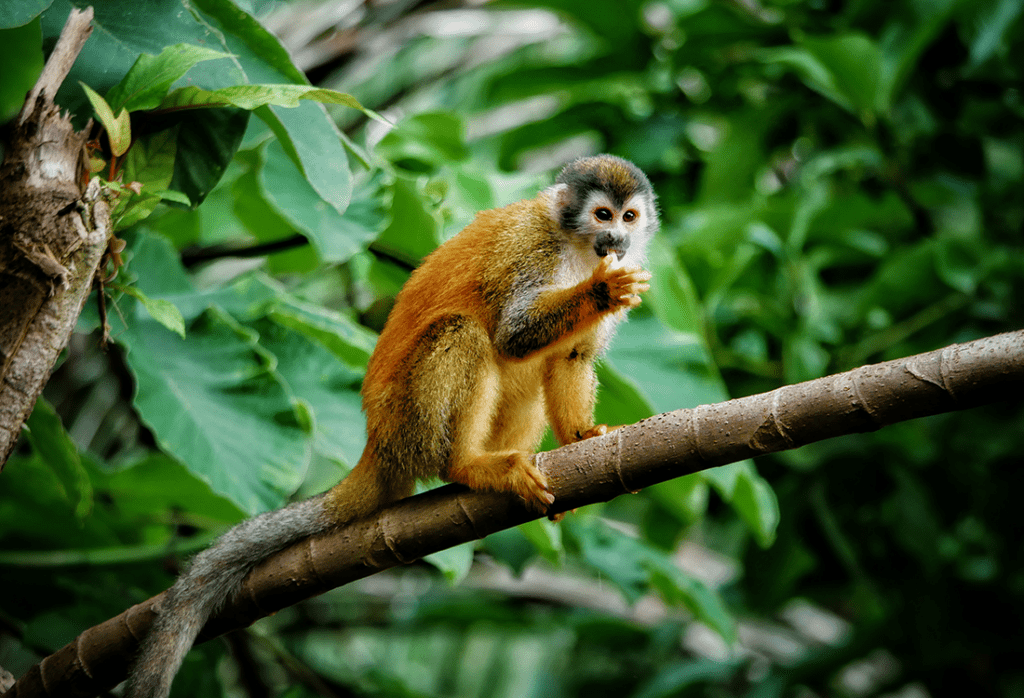
  • Monkeys and Sloths: Howler monkeys, spider monkeys, and capuchins swing through the canopy in Cahuita and Manzanillo. Sloths are common, too, especially in Tortuguero. These guys are around year-round, so no bad season for wildlife sightings in Limón Province. 
  • Waterfalls and Rivers: They are best viewed during the green season, when rainfall feeds them. Volio Waterfall is the poster child, but smaller hidden falls pop up everywhere. 
  • Snorkeling and Marine Life: The Caribbean reefs off Cahuita National Park are best enjoyed in the dry season, when the water is clearest. 

Budget Breakdown 

Travel costs in Limón shift dramatically between seasons. 

  • Dry Season: Expect to pay premium prices for lodging, flights, and tours. Popular eco-lodges, beachfront hotels, and turtle-watching tours can sell out months in advance. This is the season for travelers who prioritize comfort and don’t mind spending more. 
  • Green Season: You’ll score great deals. Budget travelers and backpackers love this time of year because accommodations are cheaper, and many tours drop prices to attract visitors. The trade-off is potential weather disruptions. If you’re flexible, you’ll save a lot. 

Practical Travel Tips for Limón Province  

Want your trip to run smoothly, rain or shine? Here’s what to keep in mind: 

  • Clothing: Lightweight, breathable clothing is your best friend. Quick-dry fabrics beat jeans any day in this humidity. 
  • Rain Gear: Don’t skip this. A poncho or light waterproof jacket plus a small umbrella will save you from sudden downpours. 
  • Waterproof Bags: Essential for protecting electronics and travel documents.  
  • Insect Repellent: The humidity brings mosquitoes. Pack strong repellent, especially for green season. 
  • Shoes: Waterproof sandals or sturdy hiking shoes that can handle mud are worth it. 
  • Health Prep: Check recommended vaccinations and be mindful of mosquito-borne illnesses. Carry basic meds for stomach upsets and rehydration salts, just in case. 
  • Language: Spanish is the official language of Costa Rica, but English is widely spoken in touristy areas. A few Spanish phrases will go a long way. 
  • Transport: Public buses connect towns, but they’re slow. Renting a car gives you more freedom, though some roads can be rough in the rain. There’s also a regional airport in Limón Province if you’re short on time. 
  • Local Etiquette: Costa Ricans are warm and friendly. Respect local customs, especially in Afro-Caribbean and Indigenous communities. Tipping around 10–15% is appreciated. 
Best Time to Visit Limón

So, When Should You Go? 

There isn’t a bad time to visit Limón. This Costa Rican province is gorgeous all year, but your experience will vary depending on when you go. 

  • The dry season from December to March is your best bet if you want sunshine, easier logistics, and picture-perfect beach days. 
  • If you want to save money, avoid crowds, and witness some of the most incredible wildlife spectacles like turtle nesting, the green season from May to November will blow your mind. 

This Limón Province guide has given you a glimpse of everything you need to know about the seasons. At the end of the day, it depends on what’s most important to you—weather, wildlife, budget, or solitude. The Caribbean coast doesn’t follow the same rules as the Pacific, so don’t stress too much. Whichever season you pick, Limón will charm you with its raw beauty, vibrant culture, and endless wildlife encounters. 

Top Birding Destinations in Limón Province, Costa Rica 

If you’re serious about birdwatching in Costa Rica, Limón Province is one of those places you can’t skip. Stretching along the Caribbean coast, this region is packed with dense rainforests, canals, mangroves, wetlands, and beaches—basically, every kind of ecosystem you’d want if you’re hoping to see an incredible variety of bird species in Costa Rica. 

Travelers often think of Costa Rica for its beaches or adventure sports, but birdwatchers know that the real treasure lies in its skies, trees, and waterways. With more than 900 recorded species across the country, and hundreds of them thriving in Limón, this part of Costa Rica is a paradise for bird lovers. From the tiniest hummingbirds to the most elusive raptors, you’ll find them here. 

So, if you’re planning your Costa Rica travel itinerary and want to know where to go birdwatching in Limón Province, Costa Rica, let’s break down the top destinations, the best times to visit, and a few tips to make your trip more rewarding. 

Why Birdwatchers Love Limón Province 

Birdwatching in Limón Province, Costa Rica, isn’t just about numbers, although they’re impressive. It’s about variety. The region sits in a sweet spot where Caribbean humidity, lowland forests, and coastal ecosystems overlap. That means you can see exotic wildlife in Costa Rica all within the same trip: toucans in the treetops, herons along the canals, and parrots flying overhead while you’re having breakfast. 

Another big reason birders love Limón is accessibility. You don’t have to trek deep into the jungle to find birds—though you can if you want to. Many of the best birdwatching spots in Limón Province, Costa Rica, are located within national parks, biological stations, or reserves that are set up for visitors. Guided tours are common, trails are well-marked, and the local guides are excellent at spotting species you might never notice on your own. 

Best Time to Visit Limón Province for Birdwatching  

Birdwatching in Limón is good year-round, but if you want the highest chance of spotting both residents and migrants, plan your trip between February and April or September and October. These months tend to be drier, making the trails easier to navigate. Early mornings are the best time of day, when the forests are alive with calls and movement. 

Top Birding Destinations in Limón Province, Costa Rica 

Here’s your guide to Limón Province, Costa Rica, with the top places to explore for birding. 

Destination Highlights Best For 
La Selva Biological Station 470+ bird species, including Sunbittern & Tiny Hawk; research center with guided tours Species diversity & research-focused tours 
Tortuguero National Park Water-based birding on canals; Roseate Spoonbills, Agami & Boat-billed Herons Unique boat-based birding & migratory species 
Cahuita National Park Coastal + rainforest mix; Green Ibis, Yellow-crowned Night Heron; great for walking tours Casual birding with coastal scenery 
Gandoca-Manzanillo Wildlife Refuge Biodiverse refuge; Black-bellied Whistling Duck, Green-breasted Mango Hummingbird, Great Curassow Eco-adventurers seeking biodiversity & rare finds 
Veragua Rainforest Canopy decks, accessible trails; Chestnut-colored Woodpecker, Black-crowned Antpitta Beginner-friendly rainforest immersion 

1. La Selva Biological Station 

La Selva isn’t just a birdwatching spot; it’s one of the most important tropical research stations in the world. For birders, it’s a dream. The station is home to over 470 species, making it one of the richest single locations for bird species in Costa Rica

La Selva’s mix of lowland rainforest and wetlands makes it special, supporting everything from iconic species like the Keel-billed Toucan to rarities like the Tiny Hawk or Sunbittern. If you’re into hummingbirds, you’ll be spoiled here too. Species like the Crowned Woodnymph are regulars. 

Trails are well-maintained, and guided tours are worth the cost. The local experts know exactly where to take you for the best sightings. 

2. Tortuguero National Park 

Tortuguero is often called the “Amazon of Costa Rica,” and with good reason. The park is only accessible by boat or plane, and the whole experience feels like you’re stepping into another world. For birders, it’s heaven. 

With its maze of canals, swamp forests, and riverbanks, Tortuguero National Park is a water-based birding destination unlike any other in the country. Keep your binoculars ready for Roseate Spoonbills, Agami Herons, and Boat-billed Herons. The birdwatching here is especially exciting because you never know what will show up around the next bend. 

The park is also an important stopover for migratory birds, so if you visit at the right season, you might catch species that are just passing through on their journey between continents. 

3. Cahuita National Park 

If you like the idea of combining coastal walks with rainforest exploration, Cahuita is perfect. This national park is known for its beaches and coral reefs, but birders know it’s a hotspot for herons, ibises, and more. 

The trails wind through jungle areas where you can spot Green Ibis, Yellow-crowned Night Herons, and Northern Boat-billed Herons. It’s also a place where you can easily mix birding with other wildlife watching. Howler monkeys, sloths, and iguanas are frequent sightings. 

Walking along the beach trails in Cahuita National Park while watching flocks of parrots fly overhead feels like the ultimate Caribbean birding experience. 

4. Gandoca-Manzanillo Wildlife Refuge 

If your goal is to experience raw biodiversity, Gandoca-Manzanillo delivers. This refuge stretches from pristine beaches into primary rainforest, making it a perfect place to see a mix of coastal and forest birds. 

Some of the highlights include the Black-bellied Whistling Duck, the Green-breasted Mango Hummingbird, and, if you’re lucky, the endangered Great Curassow. Because the refuge is less developed than some parks, hiring a local guide is highly recommended. They’ll not only help you spot birds but also share insight into the area’s ecology. 

This is also a great place to see exotic wildlife in Costa Rica beyond birds—think sea turtles, manatees, and a staggering variety of plant species. 

5. Veragua Rainforest 

Veragua is a private rainforest reserve near Puerto Limón that makes birdwatching incredibly accessible. The trails are well-designed, and the canopy observation decks put you at eye level with species that would normally be hard to see. 

This is the spot where you can check off birds like the Chestnut-colored Woodpecker and Black-crowned Antpitta, both of which are high on many birders’ lists. Since the reserve is geared toward ecotourism, you’ll also find educational exhibits and opportunities to learn about conservation work. 

Whether you’re new to birding or experienced, Veragua makes it easy to spend a full day immersed in the forest. 

Essential Tips for Birdwatching in Limón Province, Costa Rica 

Planning your birding trip to Limón? A little preparation goes a long way. Birdwatching here isn’t just about showing up with binoculars. It’s about knowing how to make the most of your time in the field.  

Here are some detailed tips that will help you get the best possible experience. 

Best Time of Day 

Birds are most active when the day is cooler, which means early mornings and late afternoons are prime hours. At dawn, you’ll hear the forest come alive with calls. This “dawn chorus” is when many species feed and display, making them easier to spot. Late afternoons also bring movement as birds settle for the night. 

Midday can be slow. The heat keeps birds hidden in the canopy, and the light can be harsh for photography. If you do head out during this time, stick to shaded trails, riverbanks, or canopy observation decks where birds are still active. 

What to Pack 

Packing right can make or break your trip. 

  • Binoculars: A good pair is essential. If you’re serious, go for 8×42 or 10×42 magnification for a balance of brightness and zoom. 
  • Field Guide: A Costa Rica bird guide (book or app) is incredibly handy for quick IDs. The Merlin Bird ID app works offline and has audio calls to help confirm what you’re seeing. 
  • Camera Gear: You don’t need professional equipment, but a lightweight camera with a decent zoom lens will capture great shots. If you’re carrying heavier gear, a monopod is easier than a tripod in dense forests. 
  • Clothing: Think breathable, neutral-colored clothes that blend in with the forest. Long sleeves and pants help with mosquitoes and the sun. A lightweight rain jacket is a must. The weather in Limón changes quickly. 
  • Extras: Insect repellent, sunscreen, reusable water bottle, and a notebook if you like logging sightings. 

Guided vs. Solo Birding 

Birding on your own can be peaceful. You set your own pace, linger in one spot, or wander until you find something. But here’s the reality: local guides make a huge difference in Limón. 

Guides know the calls, nesting areas, and flight patterns of species you’d likely miss. They’ll help you spot camouflaged birds like the potoo or antpittas that blend perfectly into the forest. Many guides also carry scopes, which let you get a close-up view of birds high in the canopy. 

If it’s your first time birding in Costa Rica, hire a guide for at least the first couple of days. Once you get a feel for the region and its common species, you can head out solo with much more confidence. 

Respect the Environment 

The birds are the stars here, and the least we can do is respect their space. 

  • Keep Quiet: Loud voices can scare off species before you even get close. Move slowly and let the forest sounds guide you. 
  • Stay on Trails: It’s tempting to step off the path for a better view, but it can damage fragile ecosystems and disturb nesting areas. 
  • Skip Flash Photography: Flash can disorient or stress birds. Natural light is always better anyway. 
  • Leave No Trace: Carry out any trash and avoid feeding wildlife. Even fruit can disrupt natural diets. 
Birding Destinations in Limon

Conclusion 

If you’re planning a trip and wondering where to go birdwatching in Limón Province, Costa Rica, the truth is you can’t go wrong. Each destination—La Selva, Tortuguero, Cahuita, Gandoca-Manzanillo, and Veragua—offers a different angle on the region’s birdlife. Together, they give you access to one of the most diverse collections of bird species in Costa Rica. 

Whether you’re new to birding or a seasoned traveler with a long checklist, Limón has the trails, waterways, and guides to make your trip unforgettable. Add it to your Costa Rica travel guide, pack your binoculars, and get ready to meet toucans, herons, hawks, and hummingbirds in their natural habitats. 

In Limón Province, every birdwatching outing feels like a new adventure. 

Top Things to Do in Limón, Costa Rica 

Limón is not your typical Costa Rican stop. It has its own charm. This Caribbean-border province is colorful, bold, and unapologetically beautiful. Picture Afro-Caribbean fusion blending with Costa Rican warmth, rainforest pouring onto the ocean, and cuisine that gets every taste bud working. It’s a cultural pulse and an environmental marvel in one. For adventure, for relaxing beach life, or for genuine flavors, Limón satisfies at all levels of escape.  

Will you be in Limón any sooner? Well, in that case, having a checklist handy is the best thing you can do to have your vacation itinerary sorted. The checklist will not only have the best restaurants, accommodations, or markets to explore in this beautiful Costa Rica province, but also the list of the best things to do in Limón as the list is long and endless.   

Family-Friendly Activities to do in Limón Province, Costa Rica 

This is your ultimate guide to the top things to do in Limón Province, Costa Rica, from national parks and beach wilderness to immersing yourself in culture and sampling local cuisine.  

Let’s get into it. 

Explore Puerto Limón 

Puerto Limón, the region’s capital, is raw, vibrant, and full of character. This isn’t a city polished for tourists. It’s the real deal, and that’s what makes it fascinating. The Afro-Caribbean heritage is strong here. You’ll feel it in the reggae beats drifting from corner stores, the Creole accents in conversations, and the lively street art splashed across walls. 

Begin at Mercado Central, where the pace never really slows down. This is where you sample your way through tropical fruits you’ve most likely never seen before, taste fiery patties, and browse through handmade crafts that hold the essence of the Caribbean Coast. It’s crazy, it’s vibrant, it’s bright, and it’s just right. 

When you require a breather, enter Parque Vargas, the town’s green center. This park is where locals come together, street merchants make their stands, and cultural events tend to spring up. It’s shaded, laid-back, and provides a feel for Limón’s beat.  

Visit Cahuita National Park 

Cahuita National Park is one of the places where you will feel that all your dreams of lying in nature’s lap will come true. It puts things into perspective in a good way. The park runs along the coast with a mix of rainforest, beaches, and coral reefs. On shore, the trails are full of exotic wildlife of Costa Rica, ranging from monkeys, sloths, iguanas, and tropical bird species that appear to have been painted by a crazy artist. Hike the loop trail, and you’ll be constantly mesmerized by the sound of rustling leaves of the trees above you.    

It’s a different world in the waters. Fish, rays, corals, and whatnot, the marine life reflects every color of life. Snorkeling is one of the most sought-after adventure activities in Limón Province. Don’t worry if this is your first time here. Local guides can take you to the best spots and regale you with tales of the park’s biodiversity.  

Whether on foot or in the water, Cahuita reminds you of just how much diversity Costa Rica possesses.   

Experience the Beaches of Puerto Viejo 

Drive down the coast from Limón and you’ll hit Puerto Viejo, a town with “laid-back” written all over it. The vibe here is pure Caribbean chill. You will be entertained by reggae playing, surfboards stacked against palm trees, and beachfront shacks serving fresh coconut water and rum cocktails. 

The beaches are the main attractions here. Playa Cocles is the spot for surfers, with consistent waves and a friendly local surf scene. If you’re a beginner, there are places where you can learn surfing in Costa Rica in no time. Playa Chiquita is a bit more secluded, with peaceful water and fewer crowds, ideal for swimming and sunbathing. And then there is Punta Uva, which frankly would not look out of place on a postcard. It is peaceful, stunning, and surrounded by jungle. To snorkel here is a dream, with fish swimming past coral just off the shore. 

Every beach has its own energy, but they all share that same relaxed Puerto Viejo vibe. Days here are slow and sweet, and you’ll quickly lose track of time. It’s a win-win for family members and couples both.  

Tour Tortuguero National Park 

Tortuguero is one of Costa Rica’s most offbeat destinations, and the fun part is…you can’t drive there. The journey begins with a boat tour to twisting canals, with scenic rainforest views that are alive all around you. It’s far away, it’s untamed, and it’s unforgettable. Undoubtedly, the best activity in Limón to enjoy with kids. These little bundles of joy gonna love it. 

Tortuguero National Park is a network of waterways, wetlands, and forests that are home to everything, from manatees and caimans to monkeys and toucans. The boat tours are the best way to explore, gliding silently through the canals while your guide points out creatures you’d never spot on your own. 

What actually makes Tortuguero legendary is the turtles. During July and October, green sea turtles crawl onto the beach to lay their eggs. Guided night tours allow you to see this thousand-year-old ritual against the backdrop of the night sky. You believe it or not, turtle nesting here is one of those things that you never forget.   

Adventure in Veragua Rainforest Park 

For those willing to explore the scenic rainforests of Costa Rica, and that too without venturing far, Veragua Rainforest Park is your playground. Begin with the canopy zip lines that have you flying over tree tops, with a bird’s-eye view of the jungle. It’s all adrenaline and loveliness in one. 

For a slower, more contemplative experience, hop on the aerial tram. You’ll glide through layers of the forest, from the canopy down to the forest floor, spotting wildlife along the way. The guides are full of insights about the ecosystems and the ongoing conservation projects happening in the park. Veragua isn’t just an adventure spot your friends and family can enjoy. It’s also a hub for biodiversity research experts, so every visit supports science and conservation. 

Cultural Experiences in the Bribri Indigenous Land 

Limón is not all about beaches and jungles. This Costa Rica province has its culture rooted and reflected by its locals. Wandering where you can experience the tropical culture at its best? Here is Bribri for you. This is a land where you can indulge, explore, and experience one of the most genuine experiences in Costa Rica. Going there means learning from the community directly, not from a travel guidebook.  

You’ll be told stories about customs, witness how they employ medicinal plants, and even get to make chocolate in a workshop. For the Bribri people, cacao is not just limited to a food item to savor in Costa Rica. It’s sacred, and hearing about it in this setting gives you an entirely new perspective. The bonus is that these tours are community-driven, so your presence supports sustainable tourism and contributes toward preserving traditions. It’s authentic, enlightening, and profoundly memorable.  

Attend Local Festivals 

And if you happen to be visiting Limón Province in October, you’re in for a treat. The Limón Carnival is one of the largest festivals in Costa Rica, and it’s absolute heaven. The streets burst with parades, dancers wearing incredible costumes, calypso bands, and rows of food stalls. It’s loud, vibrant, and a complete sensory experience reflecting the true vibrant colors of the region. 

Beyond Carnival time, be on the lookout for local festivals. Music and dance are woven into the fabric of life here, and finding a street performance or small festival in the park can be as rewarding as the main festivals. 

Indulge in Caribbean Cuisine 

Let’s be honest…the primary reason you plan your vacation to Costa Rica is not only for its natural beauty. The Costa Rican cuisine makes it to the list of reasons your time here will be nothing less than memorable.  

And in Limón, that food is unforgettable. The Afro-Caribbean influence is apparent in every bite, and the flavors are bold, spicy, and comforting. 

Start with rice and beans, totally different from the traditional gallo pinto you’ll find elsewhere in Costa Rica. Here, it’s cooked in coconut milk and seasoned with rich, creamy, and many other delicious Caribbean spices. Pair it with fresh fish or chicken, and you’re all set for a delicious dining experience. Patacones (crispy fried plantains) are another staple, perfect for dipping in salsa or eating with beans. Street stalls often sell spicy Jamaican-style patties, filled with beef, chicken, or veggies. 

Don’t miss the drinks. Agua de sapo, a ginger, lime, and sugarcane drink, isn’t to be missed. And then there are the Caribbean rum cocktails that pour generously in beach bars, making the sunset even more stunning and refreshing. Whether stopping at a family-operated soda or a beach shack in Puerto Viejo, food in Limón is soulful and unforgettable. 

Things to Know Before Visiting Limón Province with Your Family 

  • Best Time to Visit: Limón does not have the same dry season as the Pacific side. The Caribbean coast may rain throughout the year, but that’s what makes it so green. February, March, September, and October are drier and sunnier, hence the best times to visit Limón Province.  
  • Getting There and Around: Public buses are inexpensive and link Puerto Limón to towns such as Cahuita and Puerto Viejo. If you prefer more flexibility, car rental is a viable option, particularly if you’re traveling farther afield, such as to Tortuguero or Veragua. 
  • Safety Advice: Limón is friendly, but as with any port town, it’s prudent to remain vigilant. Keep to the well-lit streets at night, be aware of your surroundings, and get advice on safe places for families from locals. On the medical front, bring insect repellent and adhere to bottled or filtered water whenever there is doubt. 
Top Things to Do in Limón

Your Friends and Family will Love Limón for Sure 

Limón doesn’t try to be polished or touristy, and that’s its magic. It’s wild, soulful, and overflowing with life. One day you’re snorkeling over coral reefs, the next you’re ziplining through rainforest, and the day after that you’re dancing in the streets at Carnival or learning to make chocolate with the Bribri. 

This is a destination where nature and culture don’t simply exist side by side. They coexist in ways that make every experience richer. The beaches are gorgeous, the food is delicious, the people are friendly, and the energy is indelible. 

If you’re hankering for something true, raw, and alive, Limón awaits. This is your guide to Limón Province, Costa Rica, with pure, authentic experiences perfect for family and friends. Book your flights, heed the beat, and let this Caribbean treasure introduce you to the Costa Rica you’ll never leave behind. 

Exploring the Afro-Caribbean Influence in Limón

Limón beats to its own rhythm. Costa Rica is well known for its natural scenery and Pura Vida philosophy, yet the province of Limón on the Caribbean coast speaks of a story that is far more than palm trees and beaches. Here, you will discover an Afro-Caribbean culture influenced by communities that brought their customs, music, language, and cuisine to Costa Rica over a century ago. 

This impact has made a space that is alive, flavorful, and colorful. It is in the beats that spill from street corners, the aroma of coconut milk in every dish of the Limon cuisine, and the warmth of people who open their doors to you like family. To go to Limón is to enter a cultural heritage that has overcome adversity and strengthened itself with each new generation. 

History of Afro-Caribbean Immigration to Limón  

During the late nineteenth and early twentieth centuries, Costa Rica was busy with complex tasks like linking the capital city of San José with the Caribbean shoreline. Railroads were necessary as banana plantations began to grow. The government looked to Caribbean workers, particularly Jamaicans, to fill this need. 

Thousands of Afro-Caribbean immigrants migrated and formed the pillars of Costa Rica’s infrastructure and agricultural economy. They constructed the railroads, toiled on the plantations, and brought along with them a cultural heritage that would ultimately shape the character of Limón. 

Life was not simple for these communities. Workers were discriminated against and restricted from where they could live or travel. But despite adversity, they created strong neighborhoods, schools, and churches. They maintained their traditions and handed them down to their children. The outcome is a province whose identity is rooted in Afro-Caribbean and whose culture cannot be separated from the history of migration and struggle. 

Music and Dance in Afro-Caribbean Limón Culture  

Music is at the heart of Limón’s Afro-Caribbean existence. Reggae, calypso, and soca are more than entertainment. They are music of joy, identity, and history. You get to enjoy these melodies at festivals, on street corners, and in tiny bars lining the coast. You can’t help but move when the rhythm is there, and their associated dances are full of vitality and spirit. 

One of the strongest voices in this tradition is Walter Ferguson, reputedly the King of Calypso. His tunes have humor, social commentary, and echoes of Afro-Caribbean existence in Costa Rica. Artists such as Ferguson use music to bridge generations and celebrate a culture that will not fade away. 

Traditional Afro-Caribbean-Inspired Dishes to Try in Limón 

If you wish to experience the influence of the Afro-Caribbean in Limón, you have to taste it. The food here is rich, warm, and full of history. One signature food is rice and beans served in coconut milk. It is not gallo pinto, the rice and beans served in the rest of Costa Rica. The coconut flavor differentiates it from the one you get in Costa Rican cuisine and makes it irreplaceable. 

Another favorite Afro-Caribbean dish is rondon stew, which literally translates to “run down.” It consists of fish, root vegetables, and whatever else is on hand, all cooked in coconut broth. It is a meal that unites families and maintains traditions. 

You will also discover smoky and spicy jerk chicken, plantains done just the right way, and pastries such as pati stuffed with spiced meat. Dining in Limón Province is not just about filling the belly. Dining in Limón is a moment of togetherness that reunites friends and relatives with large tables set and music infused in the air. 

Language and Creole Dialect in Limón Influenced by the Afro-Caribbean Culture  

Another sign of Afro-Caribbean culture in Limón is language. Although Spanish is the official language of Costa Rica, Afro-Caribbean families also use a Creole based on English because of their Jamaican heritage. This Creole possesses its own rhythm and warmth. It is vibrant, expressive, and full of life. 

To the locals, Creole means more than just communication. It is how they maintain their heritage and reinforce their identity. In everyday speech, younger generations often intertwine Creole and Spanish, forming a fusion that addresses the past and present equally. 

Afro-Caribbean Cultural Festivals in Limón 

Limón has some of the most lively festivals in Costa Rica. Carnaval de Limón is the annual highlight. For a whole week, the city is converted into a stage with music, dance, and parades. Floats with colorful decorations pass down the streets. Bands play rhythms. Dancers in extravagant outfits spread smiles among crowds gathered from all over the country and internationally. 

Another significant event is the Día de la Persona Negra y la Cultura Afrocostarricense. Celebrated annually in August, this national holiday in Costa Rica commemorates Afro-Costa Rican culture and achievements. Communities organize parades, events are held in schools, and Afro-Costa Rican cultural groups perform music and dance. It is both a celebratory and commemorative moment, reminding the nation why Afro-Caribbean communities are crucial to creating Costa Rican identity. 

Afro-Caribbean Spiritual Traditions in Limón  

Spiritual life in Limón is a combination of influences. Christianity is central to the culture, but African and Caribbean influences are integrated into community life. Churches are significant meeting points, as are drum circles and communal rituals. Faith and tradition blend to produce a distinct spiritual identity infused with music, prayer, and celebration. 

These traditions are not concealed. They are integrative aspects of everyday life, giving a feeling of belonging that allows communities to remain in contact with their heritage. 

Community Life in Limón  

Life in Limón is warm. Costa Rica prides itself on the philosophy of Pura Vida, but in Limón, it’s Pura Vida with a Caribbean flavor. Folks are relaxed, friendly, and always willing to spin a yarn. The discussions are lively, neighbors watch out for each other, and social gatherings include music and food. 

This sense of peoplehood is perhaps the most lasting legacy of Afro-Caribbean influence. It transforms even everyday moments, such as going to the market, into opportunities for people to connect. Visitors leave Limón Province not only with memories of sights they saw but also of individuals they encountered and discussions that lingered with them. 

Economic Contributions of Afro-Caribbean Communities  

Afro-Caribbean populations played a crucial role in establishing Costa Rica’s economy. They built the railroads and labored on banana plantations, which were significant industries. They integrated Costa Rica into international commerce and framed the future of Costa Rica’s growth in the twentieth century. 

Their influence today can be seen in tourism, farming, and indigenous enterprises. Numerous Afro-Caribbean Costa Rican-owned family hotels, restaurants, and cultural institutions are found throughout Limón. Tourism has largely been a vehicle for sharing culture with tourists, not only natural wonders but also cuisine, music, and customs. 

Challenges persist, and economic disparities and social barriers have not vanished. However, the strength of these communities is evident. They are still holding on to their cultural identity while embracing modern opportunities, demonstrating that heritage and progress can go hand in hand. 

Contemporary Afro-Caribbean Influence in Costa Rica 

Afro-Caribbean culture in Limón Province is not stuck in the past. It is continually evolving. Politically, Afro-Costa Rican leaders are making themselves more visible and advocating for more representation. In literature and art, emerging voices are taking from Afro-Caribbean roots but writing about contemporary realities. In music, new generations are mixing reggae and calypso with international influences, keeping the culture current. 

Local entrepreneurs are also getting involved. Restaurants, cafés, and cultural centers promote Afro-Caribbean heritage and invite tourists to visit and engage. Galleries feature Afro-Costa Rican artists. Community celebrations ensure that the traditions are not only retained but endorsed. 

This modern-day influence indicates that Afro-Caribbean culture is an ongoing force. It is not something that is solely a product of Costa Rican history. It is influencing the contemporary era and dictating the future of Costa Rica.  

Conclusion 

Limón Province in Costa Rica is not simply another destination on a Costa Rican tour. It is a taste of music, cuisine, history, and people that one does not soon forget. The Afro-Caribbean presence here is not relegated to museums or maintained only by the legends. It is omnipresent. It is in the coconut milk-cooked rice and beans, in the drum rhythms at festivals, in the Creole spoken in the marketplace voices, and in people’s hospitality that makes strangers feel like family. 

Tourists visiting Costa Rica will likely go directly to the Pacific Coast or the central highlands. But those who visit Limón find something more profound. They experience a culture that honors strength, playfulness, and heritage in a way that seems present and vibrant. 

To come to Limón is to experience Afro-Caribbean culture in all its abundance. It is to dance during Carnaval until your body hurts, taste rondon stew prepared with love, listen to calypso music that holds history, and sense the hospitality of a people who accept you as family. 

Limón is not just a place to include in your Costa Rica travel guide. It is the tale of how Afro-Caribbean culture molded a province and still inspires a nation. 

Top Wellness Retreats in Limon Province for Ultimate Relaxation

If your mind is craving rest, your body is yearning for calm, and your spirit wants to reset with a bit of sea salt in the air, Limón Province is one of the best places in Costa Rica to do exactly that. The Caribbean coasts, lush jungles, and vibrant Afro-Caribbean culture come together to create a backdrop where wellness isn’t just a trend. It’s a life pace. 

This article will walk you through the top wellness retreats in Limón Province, tell you what you can truly expect on a retreat (beyond the brochures), and help you plan your trip so you arrive ready to relax, not stressed. 

Why Limón for a Wellness Retreat? 

There are many reasons to choose Limón Province for a relaxing and soothing vacation. We have tried to compile a list of the most obvious ones. Let’s have a look –  

A Backdrop That Heals 

The energy of Limón Province—the crashing waves, dense rainforest, fresh island breezes, and the chorus of tropical life makes it easy to let go. You don’t have to force calm; it seeps in. You can step off your everyday treadmill and into a gentler rhythm. 

Holistic & Immersive Retreats 

In Limón, you’ll find retreats that include more than yoga postures. Think breathwork, sound healing, detox programs, jungle walks, cacao ceremonies, and even cultural immersion. The kind of holistic packages that let you unwind by working inward. 

Culture, Cuisine & Connection 

Here you’ll taste Caribbean-inflected Costa Rican food: coconut, plantains, tropical fruits. You’ll feel the influence of Afro-Caribbean heritage in music, markets, and local ceremonies. You’ll meet guides, chefs, and retreat hosts who care about living more than business—they care about healing. 

Sustainability & Conscious Design 

Many retreats here are built to respect the land, using eco-friendly structures, native gardens, sustainable building materials, and practices that leave as small a footprint as possible. In Limón, deep relaxation often comes hand in hand with responsible travel. 

So, with all that in mind, here’s your guided tour of some of the best wellness retreats in Limón Province, covering what they offer, who they suit, and what it feels like to be there. 

Top Wellness Retreats in Limón Province 

Retreat Location Core Focus / Highlights Ideal For 
5-Day Private Mana Couple Retreat Casa Mana, Punta Uva, Puerto Viejo Intimate couples’ retreat with yoga, partner practices, beach & jungle immersion Couples seeking connection & relaxation 
4-Day Surf & Yoga Retreat Caribbean Retreats, Cocles, Puerto Viejo Daily yoga + private surf lessons, balanced with downtime by the sea Active yogis who want water + wellness 
5-Day Personal Holistic Yoga Retreat Casa Shakti, Playa Chiquita Personalized one-on-one yoga, energy activations, deep healing practices Solo travelers wanting individualized attention 
6-Day “Detox Your Life” Yoga & Meditation Retreat Tierra de Sueños Lodge, Playa Chiquita Full detox program: yoga, meditation, cleansing meals, holistic therapies People wanting reset & detox in nature 
4-Day Breathwork & Bach Flowers + Yoga Calle Ole Caribe, Cocles, Puerto Viejo Breathwork, Bach flower therapy, sound healing, daily yoga Seekers of deep inner work & holistic modalities 
7-Day Deepen Your Practice Yoga Retreat Casa Firefly, Cahuita Immersive week with workshops, spiritual exploration, yoga practices Intermediate/advanced yogis aiming to deepen practice 

Below are six standout wellness retreats in Limón Province. Each has its own flavor, but all share the goal of helping you slow down, heal, and reconnect. 

1. 5-Day Private Mana Couple Retreat — Casa Mana, Punta Uva (Puerto Viejo de Talamanca) 

This is a retreat designed for connection. It is perfect for couples who want to reset together, not apart. Think partner yoga, shared mindfulness practices, beach time, and quiet dinners in a tropical setting. 

It’s intimate, low-key, and intentionally paced. You won’t be piled into workshops or forced into high-energy sessions. The idea is to create space for you as two where you can breathe, talk, heal, and just be. 

2. 4-Day Surf & Yoga Retreat — Caribbean Retreats, Cocles (Puerto Viejo) 

Here, movement and the sea meet. You’ll have daily yoga sessions balanced with surf lessons in the Caribbean waves. Some days are for active practice; others are for slow wandering or beach downtime. 

This retreat is for people who don’t want to sit under a tree all day. You want yoga and salt water. You want to feel your body in motion and then allow it to rest. 

3. 5-Day Personal Holistic Yoga Retreat — Casa Shakti, Playa Chiquita 

This one leans deeply into individual healing. Expect one-on-one yoga guidance, energy activations, inner-work sessions, and meditation. It’s less about group rhythm, more about your inner journey. 

You’ll have time built in to be silent, journal, or walk in nature. There’s intentional softness, space, and room for whatever you bring with you. 

4. 6-Day “Detox Your Life” Yoga & Meditation Retreat — Tierra de Sueños Lodge, Playa Chiquita 

You’ll hear this one on more than one list. Tierra de Sueños is serious about your holistic reset. The program includes yoga, meditation, detox meals, infrared saunas, and healing therapies. 

You’ll live in eco-friendly homes, eat plant-forward meals, and move between jungle and beach. It’s not a spa fluff retreat. It’s more. It’s a cleanse, inside and out. 

5. 4-Day Breathwork & Bach Flowers + Yoga — Cocles, Puerto Viejo 

This is one of those retreats where the healing is internal, gentle, and powerful. You’ll work with breath—full, conscious breathing methods, Bach Flower therapy (a floral essence healing method), yoga, and sound healing. 

It’s more subtle than some of the retreats above, and that’s its strength. The catharsis, release, and insight come from within, guided by facilitators and space. 

6. 7-Day Deepen Your Practice Yoga Retreat — Casa Firefly, Cahuita 

This is a full immersion: workshops, daily yoga, spiritual exploration, nature walks, and more. You’re there to deepen. You’ll move in layers: physical, emotional, and energetic. It’s not meant to be light or easy (necessarily). It’s meant to be rich, nourishing, and expansive. You’ll come in expecting yoga, but leave changed in more ways than one. Casa Firefly is a boutique space tucked between jungle and sea. You’ll feel the vibration of the land as you build your practice. 

What to Expect from a Wellness Retreat in Limón Province 

Beyond the pretty photos, here’s what a typical wellness retreat in Limón Province will give you. 

Daily Yoga & Meditation 

Mornings often begin with gentle movement, pranayama (breath work), and meditation. Evening sessions may be restorative or sound-based. The rhythm is deliberate: wake, move, nourish, rest. repeat. 

Holistic Therapies 

Depending on the retreat you choose, you may also get breathwork, aromatherapy, massage, sound healing, detox protocols, energy work, and more. These modalities help integrate what the yoga is opening up. 

Nourishing, Plant-Focused Cuisine 

Expect food that supports the journey: local, fresh, vibrant. Many retreats serve vegetarian or vegan-forward meals, offering nourishment without heaviness. 

Nature & Adventure Integration 

Retreats in Limón often include jungle walks, beach time, snorkelinghorseback rides, cacao ceremonies, and garden visits. You won’t be locked in a studio; you’ll move through the landscape. 

Space for Stillness 

Good retreats always include downtime. You’ll have space to sit, read, journal, nap, or stare at the sky. Integration needs silence. 

Packing Essentials for a Memorable Retreat Experience  

Packing well lets you focus on healing, not scrambling. Bring: 

  • Breathable yoga clothes (light, comfortable, neutral tones) 
  • A good swimsuit for beach or water-based activities 
  • Insect repellent & eco-friendly sunscreen 
  • A light sweater or wrap for early mornings or cooler evenings 
  • Yoga mat (some retreats provide, but check) 
  • Journal + pen 
  • Reusable water bottle 
  • Any personal items or wellness supports (e.g. essential oils, crystals, eye mask) 

How to Get to Your Favorite Retreat in Limón Province 

  • Fly into San José (SJO): From there, you’ll take a domestic flight, shuttle, or long drive to Limón/coastal towns. 
  • Airport to Retreat Shuttle: Many retreats (especially ones closer to Puerto Viejo or Cahuita) coordinate airport transfers or shuttle services. 
  • Bus + Local Shuttles: If you’re on a budget, public buses and local shuttles can get you close, though you might need a short taxi at the end. 
  • Rent a Car: This gives you freedom to explore towns, beaches, and inland routes. But do your research on road conditions, especially in rainy seasons. 

Why Limón is an Ideal Wellness Destination 

Whenever you think of Limón Province, these two things will overpower your thoughts: wildness and softness. You’ll feel both. You’ll hear the rainforest, smell salt in the air, taste fresh food, and be invited inward by the land itself. 

A wellness retreat in Limón isn’t an escape from yourself—it’s a return. Whether you’re into yoga, detox, breathwork, or just want a space to slow down, Limón gives you everything you need: nature, care, and the chance to recharge. 

If you feel drawn to one of these retreats, pick the retreat that matches your inner need (connection, reset, immersion, healing) rather than just the one that looks prettiest. Then book with intention, arrive with openness, and permit yourself to slow down.  

The Costa Rica provinces will match your vibe in different ways. But, whenever it comes to relaxation and wellness altogether… Limón province is the one. A wellness retreat

Your Guide to Heredia Province, Costa Rica

Heredia Province often feels like Costa Rica’s best-kept secret. While many visitors rush to the coasts, this lush, culturally rich region quietly wins hearts with its stunning volcano views, cool mountain air, coffee-covered hillsides, rich colonial history, and some of the most relaxed and welcoming towns you’ll find in the country. 

If you’re planning a trip to Costa Rica and want a destination that blends nature, culture, great food, and easy access from San José, Heredia Province deserves a spot at the top of your list. 

Here is your traveler-first, genuinely helpful guide to planning your vacation to stunning Heredia Province, Costa Rica.  

Let’s walk through everything you need to know for a not-so-stranger, hassle-free vacation to Heredia Province, Costa Rica.  

Heredia: A Day in the City of Flowers

Heredia - The City of Flowers

Heredia’s nickname, the City of Flowers, isn’t just poetic. Spend a day here, and you’ll understand why. Bright bougainvillea, charming plazas, laid-back cafés, historic corners, and local markets give the city a soft, romantic rhythm. 

A perfectly planned day in Heredia might look like: 

  • A slow morning exploring the town center 
  • A wander through lush gardens or local museums 
  • A leisurely lunch with mountain views 
  • An afternoon coffee experience (you are in Costa Rica’s coffee capital, after all) 

A golden-hour stroll through quiet neighborhoods 

Whether you’re staying in the city or just visiting for a day, your guide to Heredia – the City of Flowers helps you uncover Heredia’s signature charm. 

Best Times to Visit Heredia Province

Before anything else, timing your visit is crucial, and Heredia’s weather patterns can significantly impact your experience. 

Heredia has a cool, spring-like climate most of the year because of its elevation, but the seasons still shift in ways that matter for travelers: 

  • Dry Season (December to April): Clear skies, great hiking visibility, and ideal weather for exploring mountains, waterfalls, and coffee plantations. 
  • Green Season (May to November): Expect lush scenery, quieter attractions, and afternoon showers that highlight the region’s vibrant greenery. Morning activities are still very doable, and photographers often prefer this time of year. 
  • Shoulder Months (late November and May): Often the sweet spot with fewer crowds and mostly dry days. 

If you want outdoor adventures and uninterrupted exploration, the dry season is ideal. If you prefer peaceful landscapes and lower travel volumes, the green season is surprisingly rewarding. 

best time to visit in Heredia

Want help narrow down the perfect month? Read our full guide on the Best Times to Visit Heredia Province to plan with confidence. 

Top Historic Sites to Visit in Heredia Province

historical sites in Heredia

Heredia’s historic landmarks tell a beautiful story… one of coffee barons, colonial architecture, peaceful plazas, and the evolution of Costa Rica’s cultural identity.  

Here, you’ll get a preview of: 

  • El Fortín: The iconic tower overlooking the city 
  • Historic churches with striking architecture and centuries of stories 
  • Cultural centers that capture Heredia’s artistic roots 
  • Local markets that preserve traditional flavors and crafts 
  • Old cemeteries where ornate architecture reveals the past 

Understanding Heredia’s historic sites adds depth to your trip. You don’t just see the province; you feel its rich heritage. 

Want to explore these sites with proper context? Take a closer look at our Top Historic Sites to Visit in Heredia Province, Costa Rica. 

Top 10 Tourist Attractions in Heredia Province 

Once you’ve settled on your travel dates, the next question is simple: What should you see first? 

Heredia is packed with breathtaking natural reserves, picturesque towns, historic landmarks, and easy-to-reach viewpoints. In your top attractions list, you’ll discover: 

  • Volcano lookouts with panoramic views 
  • Wildlife-rich reserves 
  • Charming colonial town centers 
  • Gardens, waterfalls, and mountain retreats 
  • Iconic local landmarks that give you a taste of Heredia’s heritage 

Think of this section as your “highlight reel”. It’s your fastest way to understand what makes Heredia special and which spots deserve a place on your itinerary. 

Tourist Attractions in Heredia

Ready to see what made the top 10? Explore the full list in our Top 10 Tourist Attractions in Heredia Province guide. 

Best Places to Visit in Heredia Province 

Best Places to Visit in Heredia

If the previous section gives you the big picture, this part helps you refine your itinerary with more intentional choices. 

This deep dive introduces you to places that define the essence of Heredia, from misty trails around Barva Volcano to peaceful coffee estates and hidden viewpoints perched above the Central Valley. You’ll find ideas for: 

  • Forest hikes with crater lakes 
  • Culture-rich museums and artisan stops 
  • Scenic mountain parks 
  • Family-friendly wildlife experiences 
  • Local gems you wouldn’t stumble upon without insider knowledge. 

It’s the kind of list that helps you shape your days around experiences rather than just “tourist stops.” 

For a smart, experience-based shortlist, see our full breakdown in ‘The Best Places to Visit in Heredia Province, Costa Rica.’ 

Best Coffee Tours and Plantations to Visit in Heredia 

If there’s one experience you shouldn’t miss here, it’s a coffee tour. 

Heredia Province sits in the heart of Costa Rica’s high-altitude coffee belt. Its rich volcanic soil, cool temperatures, and generations of growers make this one of the country’s most flavorful coffee regions. 

From iconic, long-established estates to organic farms tucked into the hills, you can expect: 

  • Hands-on roasting and tasting 
  • Interactive tours led by local experts 
  • Farm-to-cup experiences 
  • Scenic walks through lush plantations 
  • Blend-your-own or taste-your-own sessions 

Even if you’re not a big coffee drinker, the storytelling, scenery, and cultural insight make these tours unforgettable. 

Coffee tours in heredia

Ready to plan a coffee experience that feels genuinely local? Explore our guide to the best coffee tours and plantations in Heredia Province. 

Explore the Best Outdoor Adventures in Heredia Province 

Outdoor Adventures in Heredia

Heredia is an adventure lover’s playground, especially if you appreciate nature that’s more serene than crowded. 

Expect: 

  • Mist-covered forest trails 
  • Wildlife spotting in quiet reserves. 
  • Mountain viewpoints overlooking the Central Valley 
  • Cool-weather hikes suitable for all ages 
  • Birdwatching opportunities 
  • Waterfalls and protected cloud forests 

The province truly shines if you enjoy slow, immersive nature days. This guide helps you figure out where to go and what type of adventure fits your style. 

If you want a full list of the best outdoor experiences, jump into our Outdoor Adventures in Heredia Province guide. 

Best Family Attractions in Heredia Province 

Traveling with family, especially kids, requires a different kind of planning. Thankfully, Heredia is one of those destinations where every age finds something exciting and accessible. 

Some of the experiences your family will love include: 

  • Easy forest trails 
  • Interactive wildlife encounters 
  • Hands-on cultural experiences 
  • Open spaces perfect for little travelers to run and explore 

Expect low-stress logistics, short travel times, and an abundance of natural beauty. It’s the kind of province where you can build meaningful family moments without rushing. 

Family attractions in Heredia

Want a quick shortlist of kid-friendly places? See our Best Family Attractions in Heredia Province guide. 

Top 7 Places to Eat in Heredia Province 

restaurants in Heredia

After a day of exploring, eating well becomes part of the joy of traveling. Heredia’s food scene blends traditional Costa Rican cuisine with fresh, mountain-inspired creativity. 

You’ll find: 

  • Cozy cafés with exceptional coffee (of course) 
  • Restaurants serving traditional casados or gallo pinto 
  • Modern spots with local ingredients taking center stage 
  • Mountain-view dining with peaceful ambiance 
  • A few hidden gems that instantly make the trip memorable 

Instead of overwhelming you with names, this overview gives you a feel for the types of places worth seeking out, and the detailed guide will help you finalize where to book. 

Craving specifics? Check out our Top Places to Eat in Heredia Province, Costa Rica, guide. 

Travel Tips – Getting Around Heredia Province Made Simple 

We’re ending with the practical details that make your trip smoother. It’s the stuff you’re grateful to know before landing in Costa Rica. 

Here’s what this guide helps you understand: 

  • How to reach Heredia from San José (it’s easy!) 
  • When renting a car makes sense. 
  • Bus and taxi tips 
  • The best areas to stay 
  • Safety basics and local etiquette 
  • What to pack for the region’s cool, mountain-fresh climate 

It’s essentially your pre-departure checklist. It’s simple, clear, and designed to save you time. 

how to travel around costa rica

Do you want a complete list of essential tips? Read Getting Around Heredia Made Simple for everything you need to know. 

Final Note 

If your goal is to explore a Costa Rican province that blends nature, culture, great food, and peaceful charm, Heredia Province delivers beautifully. Use this guide as your starting point in crafting the kind of trip that feels thoughtful, immersive, and uniquely you. 

Make Your Reservation with Villa Firenze

Required fields are followed by *


Reserve of 1 available accommodations.

Luxury Villa, Costa Rica is available for selected dates.

Frequently Asked Questions (FAQs)  

Top Historic Sites to Visit in Heredia

Located in Costa Rica’s Central Valley, just north of San José, Heredia, Costa Rica is known for its well-preserved colonial architecture, rich cultural traditions, and welcoming atmosphere. This “City of Flowers” is where flora and fauna meet faded columns and cobbled corners. 

Here, colonial charm clings to every wrought-iron fence. The air smells faintly of roasted coffee and old-world tales. If you are the kind of traveler who loves peeling back layers of a city’s history, Heredia is ready to flirt with your curiosity. 

This guide will whisk you through Heredia’s top historic sites, where cannon-less forts, storybook churches, and even cemeteries reveal Costa Rica’s past in full color. Let’s travel through the places!  

El Fortin [The Fort of Heredia] 

Location: Central Heredia.  

Meet the fort that never fought. Built in 1876, El Fortin looks like every bit of the battle-hardened tower, but history had other plans. Not a single cannonball was fired here.  

Why visit? 

Um, let’s see what you are going to witness here. Climb its spiral stairs and enjoy panoramic views of the city. Snap a photo and tell your friends you found a fort where the loudest weapon is your camera shutter. 

El Fortín is the kind of place that proves even unused history can be unforgettable. 

Iglesia Inmaculada Concepción de María (Immaculate Conception of Mary Church) 

Location: Next to Central Park 

Next door to Central Park, this neoclassical beauty will have architecture fans swooning. Built in the 19th century, it is all Roman columns, vaulted ceilings, and stained-glass drama. 

Why visit? 

Catch the late afternoon light filtering through those windows. You will feel transported to another century. Plus, it makes a serene spot to rest your feet between sightseeing.  

A church that soothes the soul and the soles? Yes, please. 

Parque Central (Central Park) 

Location: Central Park 

The city’s social and cultural heart, Parque Central, is surrounded by historic buildings and serves as a popular gathering place for both residents and visitors. The park’s focal points include an ornate fountain imported from England in 1885 and an elegant kiosk designed by architect José María Barrantes

Highlights: 

  • Fountain imported from England in 1885, a splash of Victorian flair. 
  • Whimsical kiosk by José María Barrantes, a favorite perch for musicians and daydreamers alike. 

Pro tip: 

Grab a cup of Costa Rican coffee, park yourself on a bench, and watch the pura vida lifestyle unfold in real time. No filter required. 

Edificio de Correos y Telégrafos (Post and Telegraph Building) 

Location: Near Central Park 

This striking neoclassical buliding is one sight to see.  

Designed by Costa Rican engineer and architect, Theodorico Quirós, this post and telegraph building buzzed with excitement of telegrams zipping across wires and keeping the essence of communication within Costa Rica and with the wider world.  

Reasons to explore:  

  • Admire the architectural details and take a few pictures. You will feel as if you have stumbled into a travel journal. 
  • Proof that sometimes the quietest buildings have the loudest stories. 

Centro Cultural Herediano Omar Dengo (Omar Dengo Cultural Center) 

Location: Central Heredia 

Named after renowned Costa Rican educator Omar Dengo, this cultural center is dedicated to promoting local arts and culture. It hosts a variety of exhibitions and community events, offering visitors a deeper appreciation of the region’s artistic traditions. 

What to expect? 

Wander through exhibits of local art. Catch a live performance or poetry reading if timing allows. One moment you are admiring paintings, the next you are sipping coffee with Costa Rican creatives. 

Expect the unexpected. That is the joy here. 

Mercado Municipal (Municipal Market) 

For a taste of everyday life in Heredia, the Mercado Municipal is a must-visit. The market’s lively stalls offer everything from traditional Costa Rican foods to artisanal goods. It is an excellent place to experience Costa Rican gastronomy and interact with local vendors. 

Highlights: 

  • Bite into a warm, handmade tortilla. 
  • Marvel at exotic fruits you cannot pronounce but will love tasting. 
  • Chat with vendors whose families have run stalls here for generations. 

Activities: 

Shop, snack, people-watch. Repeat. This is Costa Rican culture in its most delicious form. 

Cementerio Municipal (Municipal Cemetery) 

Location: Within city limits 

Cemeteries aren’t always top of the sightseeing list—but Heredia’s Municipal Cemetery is more than just a resting place. It’s a silent gallery of Costa Rica’s past, where moss-covered mausoleums and elaborately carved headstones speak volumes about the city’s evolution. 

Why it’s worth a visit? 

Wander through the peaceful lanes and discover tombs belonging to former Costa Rican presidents, poets, and prominent citizens. Each monument tells a story. Some grand, others humble, all stitched into the fabric of Heredia’s history. 

For photography lovers, the interplay of light and shadow here offers unexpectedly artistic shots. For history buffs, it’s a contemplative walk-through legacy and lineage. 

historical sites in Heredia, Costa Rica

Can a Colonial City Be Cool? Spoiler: Yes, It’s Heredia! 

Check out our complete Heredia Province, Costa Rica, guide for a detailed overview on how your trip to this scenic destination will be. Heredia’s charm is found in quiet courtyards, cobbled streets, and stories told by old stones. From forts and fountains to churches and cemeteries, the city blends the soul of Costa Rica with the warmth of its people. 

If you love exploring historical sites in Heredia, Costa Rica, you will undoubtedly find something to intrigue your historical curiosity. Each site unveils layers of stories that make this city even more enchanting. 

Plan your visit, learn its stories, and let this cultural gem become a meaningful part of your Costa Rican journey. 

Top 7 Places to Eat in Heredia

There’s hungry. And then there’s scrolling food blogs at midnight while eating cereal and planning your next meal hungry. If that’s the energy, Heredia, Costa Rica has you covered. Plan your trip to Heredia and witness all your food fantasies come true.  

It’s not all beaches and smoothies here. This city is basically a food playlist on shuffle. You get pupusas, pizza, burgers, biryani, and bold flavors from places that don’t miss your taste buds to dance.  

Some are fancy. Some are not. All are worth it. Ready to taste your way through the best? Let’s start with a Spanish spot that brings heat, heart, and a plate full of paella. 

La Lluna de Valencia 

  • Location: San Pedro de Barva, Heredia, Costa Rica 
  • Phone: +506 2269 6665  
  • Highlights: Traditional Spanish dishes, vibrant atmosphere, attentive owner presence 

La Luna de Valencia serves rich Spanish flavors in a warm, full-of-life space. Among the many restaurants in Heredia, this one stands out for its attention to detail and depth of flavor. The paella arrives golden, steaming, and layered with saffron and fresh seafood.  

Tapas come out one after the other, each with its bold character, patatas bravas with just the right kick, garlic shrimp still sizzling from the pan.  

On weekends, the air fills with live music, clinking glasses, and laughter that only happens around a good meal. The owner greets diners like familiar guests, constantly checking in with a genuine smile and an easy welcome that makes the place feel personal. 

Kawah Café 

  • Location: San Francisco de Heredia, Heredia, Costa Rica 
  • Phone: +506 2263 3636
  • Highlights: Cozy atmosphere, diverse menu, excellent coffee selections 

Cozy in a “come-as-you-are” way, Kawah Café is that friend who knows your coffee order by heart. One day, it’s Latin dishes; the next, it’s wood-fired pizza. Each visit feels like a flavor quest.  

But the true hero? Costa Rican coffee. Bold, balanced, and crafted with heart, it’s work-friendly and chat-ready—everything comfort food dreams are made of. 

C Lounge Cariari 

  • Location: Belen, Cariari, Heredia, Costa Rica 
  • Phone: +506 2239 7415 
  • Highlights: Live music, extensive drink menu, signature chipotle burger 

A place where Monday feels like Friday? A place like this for real exists is hard to believe! C lounge Cariari is one such. Its got neon vibes, a burger that is dangerously addictive, cocktails that got you tripping, and comfort together in one of the most vibrant restaurants in Heredia! 

The live music here puts life in your boring day and will make you dance till the closing time. It’s the kind of place where the playlist matches the mood, the drinks don’t take long, and the staff keeps things moving without making you feel rushed. 

Restaurante Leño y Carbón Heredia 

  • Location: San Francisco de Heredia, Heredia, Costa Rica 
  • Phone: +506 7039 6568 
  • Highlights: Diverse menu options, notable burgers and grilled meats, prompt service 

“Leño y Carbón” means wood and coal; these chefs know how to use both. Juicy burgers, smoky steaks, and seafood done right. It’s one of those restaurants in Heredia that blends international flavors with local flair. The Interior is sleek and inviting, the service is on point. 

Every plate begs for an Instagram snap, but don’t! Eat it first cause what’s better than diving in to satisfy your cravings?  

Bonus: The guac gets rave reviews. 

El Tigre Vestido 

  • Location: Finca Rosa Blanca, Santa Bárbara de Heredia, Costa Rica 
  • Phone: +506 2269 9555 
  • Highlights: Farm-to-table dining, scenic views, focus on sustainability 

Set within a boutique hotel known for its sustainable tourism values, El Tigre Vestido combines fresh ingredients and thoughtful cooking. The trout is caught locally, the vegetables are grown on-site, and each dish feels part of a guided culinary tour through Costa Rica’s land and flavors. 

And, of course, the Costa Rican coffee at its best: bold, smooth, and roasted close to home. 

Why Heredia is a Flavor Spectrum? 

Heredia’s restaurants line up offers a diverse range of Costa Rican cuisines with international flavors. There’s Spanish, Salvadoran, Indian, Latin, pizza, burgers, upscale vibes, casual feels; all with a dash of sustainable tourism

Each place has its own mood and magic, but they share one thing, i.e., heavenly food, that reaches directly to your heart! 

best restaurants in Heredia costa rica

Book a trip and savor the taste! 

Check out our complete Heredia Province, Costa Rica, guide for a detailed overview on how your trip to this scenic destination will be. Heredia gives you a taste of the place, culture, and laid-back rhythm locals call pura vida. The food will leave a mark, whether you explore the city’s hidden gems or enjoy dinner with a view from a nearby luxury villa

Ultimately, you will know Heredia’s aroma is vibrant, generous, and always worth returning for. 

Best Places to Visit in Heredia

Heredia is the kind of place where charm meets adventure. In the central valley of Costa Rica, this province is known for cloud forests brushing the sky, coffee-scented breezes, rich culture and enough photo-ready moments to max out any camera roll.  

It’s a place where dramatic volcanoes and serene parks exist parallel. Heredia holds the kind of energy that pulls you in and leaves you craving more.  

This guide is packed with the best places to visit in Heredia, perfect for day trips, nature escapes, cultural strolls, and a few spots that feel like hidden waterfalls. Whether the plan is to relax, explore, or both, these destinations bring together the perfect mix of Costa Rican soul and scenery. 

Barva Volcano  

Barva Volcano stands tall, wrapped in mist and mystery. It’s a dormant volcano that’s anything but boring. Surrounded by dense cloud forests and echoing with bird calls, it’s where hikes come with unreal views. 

What to see? 

Crater lakes peeking through trees, trails lined with native flora and fauna, and a panoramic view that feels completely untouched.  

It’s one of those Heredia tourist spots where eco-tourism feels effortless. 

Museo de Cultura Popular  

Culture takes center stage at the Museo de Cultura Popular. This museum is the opposite of dusty—it’s full of energy, handmade crafts, traditional dresses, and folk music that makes your shoulders do a little dance without permission. 

Why it’s a must 

 It has a vibe. From colorful displays to cultural events, it keeps old-school Costa Rican traditions alive. One of the Heredia Costa Rica attractions that deserves more hype. 

Cafe Britt Coffee Plantation 

From bean to brew, Cafe Britt is an all-access pass to Costa Rican coffee obsession. And if your love language is coffee, this place speaks fluently. Cafe britt is iconic when it comes to Heredia Costa Rica attractions.  

What is brewing there? 

The tour is interactive; the tastings are top-tier, and yes—the aroma is real and unreal. This is hands down one of the best coffee tours in Heredia and a place where sustainable tourism is brewed into every cup. 

Monte de La Cruz 

For views that stop you mid-scroll, Monte de la Cruz is where it’s at. A giant cross stands tall over Heredia, and the view of the Central Valley from up there? Unmatched. 

Top moments? 

Quiet trails, cozy picnic areas, and a lookout that’s perfect for photos. It’s also an ideal spot for sunset lovers and casual explorers looking for Heredia sightseeing with wow-factor. 

Refugio de Vida Silvestre Cerro Dantas 

This place doesn’t just whisper about nature. It sings about it, dances about it, and paints it in every shade of green. The hiking trails are wild in all the best ways, and the waterfalls are low-key magical. 

Don’t miss 

The guided hikes, the serene pools, and birdwatching opportunities. With its rich biodiversity, it’s a highlight for flora and fauna and a standout in Heredia day trips. 

La Paz Waterfall Garden 

If there’s a definition of breathtaking, La Paz Waterfall Garden might be it. This nature park combines rugged beauty with curated paths and exhibits that showcase Costa Rica’s natural power and gentle soul.  

Highlights  

Five massive waterfalls, a hummingbird garden that buzzes with color, and Costa Rica’s largest animal sanctuary.  

It checks all the boxes, thrilling, peaceful, wild, and unforgettable! 

Iglesia San Isidro Labrador 

Not every stop has to be loud to be powerful. This historic church brings quiet beauty to the mix. Its colonial design and calm atmosphere offer a pause—a moment to reflect and just take in the surroundings.  

Worth seeing 

 The unique architecture and cultural depth it carries. It’s easily one of the best historical places in Heredia Costa Rica, especially for those who love stories carved in stone. 

Best Places to Visit in Heredia

So… Where to Go in Heredia First? 

Check out our complete Heredia Province, Costa Rica, guide for a detailed overview on how your trip to this scenic destination will be. That totally depends on the mood of the day. Hiking boots or comfy sandals? Coffee cup or camera? Whether you’re here for the wild, the quiet, the culture, or the full mix, Heredia has something waiting. 

It’s the kind of province that packs a full playlist of moods—one minute you’re wandering a rainforest, the next you’re learning folk dances or sipping espresso grown steps away.  

And when the day’s exploring is done, nothing beats heading back to a luxury villa where style meets comfort and rest feels like a reward. 

And if the question is how to spend a day in Heredia? The answer is simple: start early, go slow, and let the natural beauty of Costa Rica surprises you. 

FAQs